
- AI Processing Speed: The Oticon Zeal™ processes the full 360-degree sound picture over 500 times per second.
- Battery Life: Offers up to 20 hours of battery life on a single charge.
- Market Reach: HearingLife Canada operates over 350 clinics nationwide.
Experts view the Oticon Zeal™ as a significant advancement in hearing aid technology, particularly for its AI-driven sound processing that reduces cognitive listening effort and its nearly invisible design that addresses social stigma.
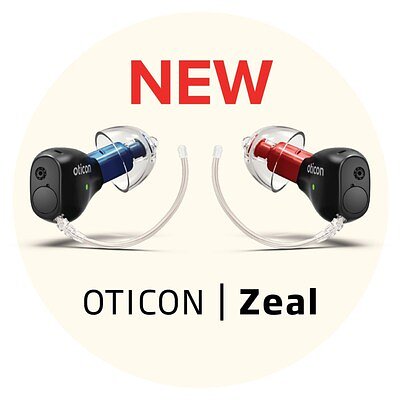
Invisible Intelligence: AI Redefines Hearing Aids in Canada
TORONTO, ON – February 02, 2026 – HearingLife Canada today launched a device that aims to make the hearing aid not only more intelligent but virtually invisible. The new Oticon Zeal™, an in-the-ear hearing aid powered by second-generation artificial intelligence, is being positioned as a significant leap forward in a field rapidly blending medical science with consumer technology. The launch signals a pivotal moment for hearing care, moving beyond simple amplification to a sophisticated, brain-centric approach that promises to reduce the stigma and challenges associated with hearing loss.
The Brain Behind the Sound
At the heart of the Oticon Zeal™ is a philosophy that Oticon calls BrainHearing™ technology. The core principle is that we hear with our brains, not just our ears. Traditional hearing aids often work by isolating a speaker's voice and suppressing all other background noise. While effective in some situations, this can create an artificial and disorienting sound environment. Oticon's approach is different: it aims to give the brain a more complete, natural, and balanced soundscape to work with.
This is achieved through a powerful Deep Neural Network (DNN), a form of advanced AI, built into the device's new Polaris processing platform. This onboard AI was trained on an immense library of 12 million real-world sound scenes, learning to instantly analyze the sounds around the user. Rather than just cutting out noise, the DNN identifies and organizes the soundscape, balancing speech and background sounds to provide clarity without sacrificing the richness of the environment. The system processes the full 360-degree sound picture over 500 times per second, helping the brain orient itself and decide what to focus on, significantly reducing the cognitive effort required to listen in noisy places like restaurants or family gatherings.
"The evolution from basic noise reduction to a full-scene sound analysis powered by AI is a game-changer for patient outcomes," notes one independent audiologist not affiliated with the launch. "It addresses the core complaint of many hearing aid users: listening is exhausting. By providing a cleaner, more complete signal, these technologies can significantly reduce the cognitive load of listening in noise, allowing for more natural engagement."
More Than a Hearing Aid: A Lifestyle Accessory
Beyond the sophisticated internal technology, the Oticon Zeal™ is designed to tackle one of the most significant barriers to hearing aid adoption: perception. The device is a completely in-the-ear model, custom-molded to be as discreet as possible. For many users, this means it's effectively invisible, removing the visual stigma that has long been associated with hearing aids and allowing users to feel more confident in social and professional settings.
This focus on seamless integration extends to its functionality. The Oticon Zeal™ is fully rechargeable, offering up to 20 hours of battery life on a single charge, with a portable charger for on-the-go power. This eliminates the need for tiny, cumbersome disposable batteries. Furthermore, it features advanced Bluetooth connectivity, transforming the hearing aids into high-fidelity wireless earbuds. Users can stream phone calls, music, podcasts, and video audio directly to their hearing aids from their smartphones and other devices. An accompanying Oticon Companion app allows users to discreetly manage volume, switch programs, and personalize their listening experience without ever touching the device itself.
This suite of features firmly repositions the hearing aid from a mere medical device to a piece of connected personal technology, akin to a smartwatch or high-end earbuds, designed for an active, modern lifestyle.
Shaking Up the Canadian Hearing Care Market
By introducing the Oticon Zeal™, HearingLife Canada, the nation's largest hearing care provider with over 350 clinics, is making a strategic move to solidify its position as a technology leader. The Canadian market is highly competitive, with several global manufacturers offering advanced solutions. The push towards AI, rechargeability, and discretion is an industry-wide trend, but launching such a technologically advanced and nearly invisible product sets a new benchmark.
"Oticon Zeal™ is an important step forward for hearing care in Canada. Its combination of advanced AI sound processing, all‑day comfort, and an incredibly discreet design offers Canadians a solution that truly supports how they live, work, and stay connected," says Jillian Price, Head of Audiology and Client Excellence at HearingLife Canada. "At HearingLife Canada, we are committed to helping people hear their best with personalized care and access to innovative technology. We encourage anyone with concerns about their hearing to visit their local HearingLife clinic to discover the impact professional hearing support can make."
This launch leverages HearingLife's extensive national network to bring a premium, cutting-edge product to a wide audience. Oticon Zeal™ is available immediately in clinics across Canada, with a specific rollout in Ontario locations starting March 2, giving the company a key differentiator in a crowded marketplace.
The Question of Access and Affordability
With any cutting-edge technology comes the question of cost. Premium hearing aids like the Oticon Zeal™, with their advanced AI processing and custom-fit designs, represent a significant investment. In Canada, a pair of top-tier hearing aids can cost anywhere from $4,000 to over $8,000, a price that often includes professional fitting, customization, and aftercare services.
However, there are systems in place to make this technology more accessible. Many provinces offer financial assistance programs. For instance, Ontario's Assistive Devices Program (ADP) can cover up to 75% of the cost for eligible residents with long-term hearing loss. Similar programs with varying levels of coverage exist in other provinces, such as Alberta's Aids to Daily Living (AADL) and Quebec's RAMQ program. These subsidies can dramatically reduce the out-of-pocket expense for many Canadians.
Furthermore, many private health insurance plans through employers offer benefits that cover a portion of hearing aid costs, typically a set amount every three to five years. For the remaining balance, clinics like HearingLife often provide financing plans to spread the cost over time and assist clients in navigating the complex web of provincial subsidies and private insurance claims. While the initial sticker price may seem high, a combination of public and private funding can place these life-changing devices within reach for a growing number of people.