
- $140 billion in insured losses from global natural disasters in 2024
- 10% to 30% reduction in annual utility bills with energy efficiency upgrades
- Address-level hazard ratings and personalized adaptation plans for homeowners
Experts agree that this platform represents a strategic shift from passive climate risk assessment to proactive risk reduction, offering a collaborative approach to climate resilience for insurers and homeowners alike.
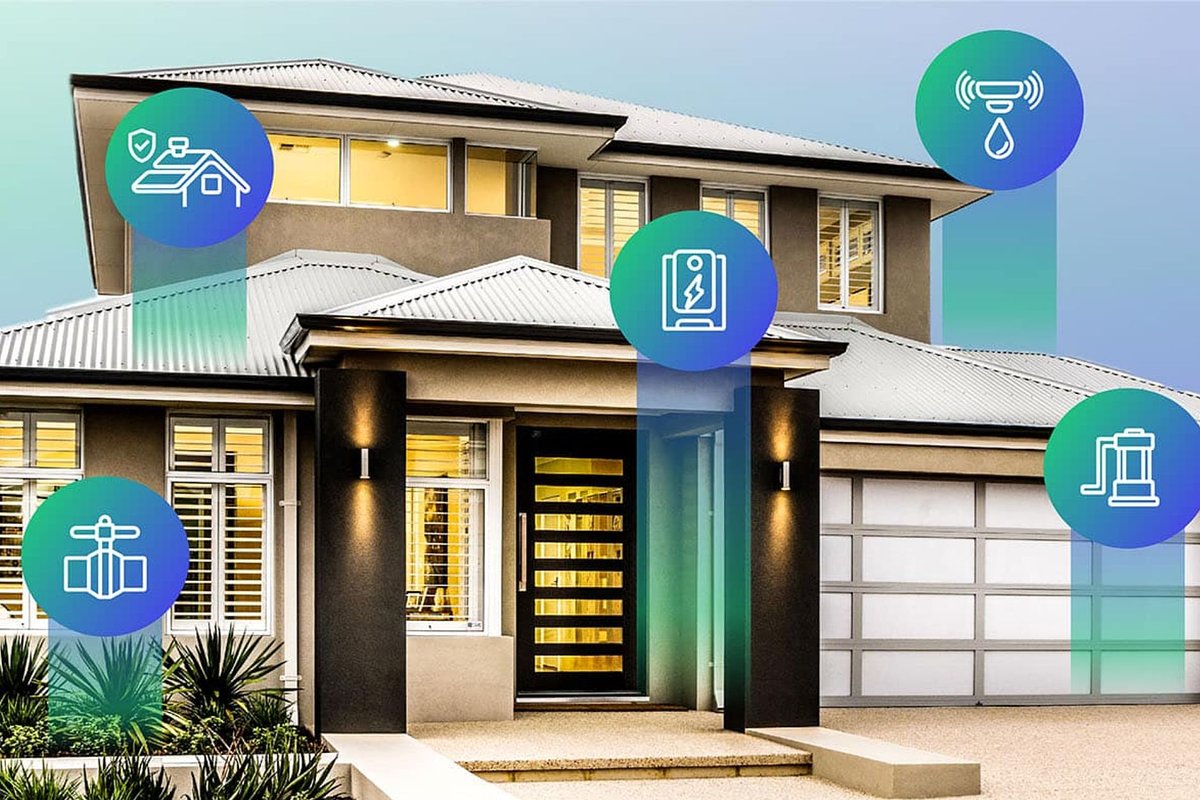
Insurers Get New Tool to Turn Climate Risk into Homeowner Action
BOSTON, March 25, 2026 – As the insurance industry grapples with staggering losses from natural disasters, a new platform has launched with the ambitious goal of transforming climate risk from an unmanageable liability into a collaborative opportunity for prevention. Boston-based climate intelligence firm Climative today unveiled its insurance-focused data platform, designed to move the industry beyond simply pricing risk to actively helping homeowners mitigate it.
The new solution translates complex climate data into personalized, step-by-step adaptation plans for individual properties. It aims to empower homeowners to make their homes more resilient to perils like wildfire, flooding, and severe storms, while simultaneously improving energy efficiency and lowering household costs. The launch comes at a critical moment for the sector, which faced approximately $140 billion in insured losses from global natural disasters in 2024 alone.
A New Blueprint for Climate Resilience
For years, the primary tool for insurers managing climate exposure has been sophisticated catastrophe modeling, which generates risk scores used to set premiums or determine insurability. However, with climate-driven events becoming more frequent and severe, this model is showing its limitations, leading to soaring premiums and market withdrawals in high-risk areas. Climative's platform represents a strategic shift from passive assessment to proactive risk reduction.
By providing address-level hazard ratings alongside clear, property-specific adaptation plans, the technology gives insurers a mechanism to not only understand their portfolio exposure but also to systematically reduce it. Instead of simply informing a homeowner that their property has a high flood score, the platform can suggest tangible upgrades, such as installing flood vents or elevating utilities, and connect those actions to potential savings on energy bills.
This approach is intended to create a partnership between the insurer and the insured. "Our goal is to give insurers a way to reduce risk while building trust with policyholders," said Winston Morton, CEO of Climative, in the announcement. "We help carriers move beyond identifying climate risk to actually fixing it, while giving homeowners clear steps to protect their homes."
The platform includes portfolio analytics to identify risk concentrations, co-branded homeowner portals for direct engagement, and planning tools that link resilience upgrades to benefits like improved comfort and lower carbon emissions. Insurers can deploy it as an internal analytics tool, a policyholder engagement solution, or a fully integrated adaptation strategy.
Empowering Homeowners Beyond the Premium
The relationship between insurers and homeowners has become increasingly strained in the face of climate change. Policyholders often face steep premium hikes or non-renewals with little explanation or recourse. Climative’s solution aims to reframe this dynamic by turning risk communication into a constructive conversation about prevention.
By making climate data useful and understandable for the average person, the platform empowers property owners to take control. The focus on coupling resilience with energy performance is a key aspect of this strategy. Research consistently shows that energy efficiency upgrades—such as improved insulation, modern windows, and high-efficiency HVAC systems—can reduce annual utility bills by 10% to 30%. When these projects are combined with resilience measures, the energy savings can help offset the upfront cost of adaptation, making it more financially accessible.
Furthermore, a growing number of insurers are beginning to offer mitigation credits or discounts for homes with certified resilience features, such as fortified roofs in hurricane zones or fire-resistant building materials in wildfire-prone areas. By providing a clear, documented path for these upgrades, the platform helps homeowners not only protect their property but also potentially lower their long-term insurance costs. This transforms the premium from a simple price for risk into a dynamic reflection of a home's resilience.
Navigating a Shifting Regulatory and Market Landscape
The launch of Climative's platform is strategically timed to meet growing pressure from regulators and investors. Insurance commissioners across the country, guided by frameworks from the National Association of Insurance Commissioners (NAIC), are demanding greater transparency and proactive management of climate-related financial risks. The focus is shifting from mere disclosure to tangible action on risk reduction.
This technology provides a direct answer to that call. "Climate risk is putting real financial pressure on insurers," Morton noted. "They need tools that don't just model risk, but help reduce it in the real world."
While established data analytics giants like Verisk and RMS have long provided the industry with sophisticated risk models, Climative seeks to differentiate itself by closing the loop between data and action. Its emphasis on a homeowner-centric, educational approach stands in contrast to the traditionally opaque, portfolio-level focus of many legacy systems. This focus on transparency is becoming a critical issue, with state legislatures beginning to mandate that insurers disclose the factors behind their risk models and offer discounts for mitigation efforts.
This new wave of insurtech is also attracting significant interest from venture capital and ESG-focused investors, who see a massive opportunity in developing scalable solutions for climate adaptation. Technologies that can demonstrate a measurable impact on reducing losses while supporting regulatory compliance are considered prime investments in a market hungry for innovation.
The Promise of Transparent Modeling
A core principle of the company's solution is its commitment to transparent modeling. For decades, the insurance industry has relied on proprietary, "black box" risk models whose inner workings are a closely guarded secret. This lack of transparency has fueled distrust among consumers and regulators, especially when these models result in drastic premium increases without clear, actionable justification.
Climative aims to build trust by providing clear, explainable data to both the insurer and the policyholder. While the platform's detailed technical specifications are not yet public, the approach is based on the firm's prior experience developing technology for banks, utilities, and public-sector programs, where clear communication and verifiable outputs are essential. By showing homeowners why their property is at risk and how specific actions can reduce that risk, the model turns a point of contention into an opportunity for engagement.
This transparency is essential for demonstrating fairness and empowering effective decision-making. It allows regulators to verify that mitigation efforts are being properly accounted for and gives homeowners the confidence to invest in protecting their properties. As scrutiny over algorithmic bias and data ethics intensifies, this open approach could provide a significant competitive advantage.
Originally deployed across Canada and the Northeast United States for other sectors, the technology is now being adapted for the unique needs of the insurance industry. The platform is currently available to carriers across Canada and is entering a phased deployment in the United States, marking a tangible step toward a more resilient and collaborative future for insurers and the communities they protect.