
- IDR 9.1 trillion (US$542 million) in fraud losses reported over a year
- 432,000+ scam reports filed in Indonesia
- 95% success rate in thwarting fraud attempts via AI-driven e-KYC
Experts agree that Indonesia's digital fraud crisis requires a coordinated, multi-stakeholder approach combining advanced technology, public education, and stringent regulations to safeguard the nation's digital economy.
Indonesia's United Front Against a Trillion-Rupiah Fraud Wave
JAKARTA, Indonesia – April 24, 2026 – A staggering wave of digital fraud is sweeping across Indonesia, with the nation’s financial authorities reporting losses of approximately IDR 9.1 trillion (about US$542 million) from over 432,000 scam reports filed in just over a year. The data, released by the Indonesia Anti-Scam Centre (IASC) under the Financial Services Authority (OJK), paints a grim picture of what many experts are calling a "digital fraud emergency," prompting a unified response from government bodies and the private sector.
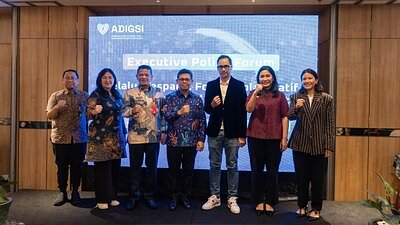
In a significant move to combat the crisis, regulators, cybersecurity agencies, and leading financial technology firms recently convened at the Executive Policy Collaborative Forum on Handling Digital Fraud and Scams. The event, organized by The Indonesian Digitalization and Cybersecurity Association (ADIGSI), brought key decision-makers to the table, highlighting a national commitment to reinforcing the country's anti-scam governance and protecting its burgeoning digital economy.
A Systemic Challenge Demands Coordinated Action
The scale of the problem is immense. With fraud reports averaging between 700 to over 800 per day—a rate significantly higher than the global average—the threat is not just to individual finances but to the very stability and trust of Indonesia's digital ecosystem. Scammers deploy an array of tactics, from fraudulent investments and fake job offers to sophisticated phishing schemes and malicious Android Package Kit (APK) links distributed via popular messaging apps.
The recent forum underscored a consensus that isolated efforts are no longer sufficient. "Fraud and digital scams have evolved into a systemic challenge that requires coordinated action across regulators, industry, and stakeholders," said Hudiyanto, Head of Secretariat of IASC OJK, at the event. This sentiment was echoed by representatives from the National Cyber and Crypto Agency (BSSN), the Indonesia Fintech Lending Association (AFPI), and the Indonesia Fintech Association (AFTECH).
Among the industry participants was AdaKami, a licensed fintech lending platform, which reiterated its commitment to the collaborative fight. The forum marked a pivotal moment, shifting the focus from individual corporate responsibility to a collective, strategic defense against a shared national threat.
On the Front Lines: Technology as a Digital Shield
As fraudsters become more sophisticated, financial platforms are turning to advanced technology as their primary line of defense. AdaKami exemplifies this tech-driven approach, investing heavily in its security infrastructure to protect its users. The company leverages a combination of artificial intelligence (AI), machine learning, and big data analytics to proactively identify and mitigate cyber threats.
One of the most critical applications of this technology is in the electronic Know Your Customer (e-KYC) process. The platform's AI systems are reportedly capable of detecting subtle anomalies during identity verification—such as inconsistencies in photo backgrounds—that could indicate a fraudulent application. This sophisticated screening has been highly effective, with reports suggesting a 95% success rate in thwarting attempted identity theft and fraud on the platform.
"AdaKami remains committed to strengthening consumer protection by enhancing technology-driven security systems, reinforcing user education, and maintaining close collaboration with regulators and industry partners," stated Karissa Sjawaldy, Chief of Public Affairs at AdaKami. This strategy reflects a broader industry trend where real-time data analysis and intelligent algorithms are becoming standard weapons in the fight against financial crime.
The Human Element: Education and Evolving Regulations
While technology provides a powerful shield, industry leaders and regulators agree that an informed public is an essential component of any successful anti-fraud strategy. Recognizing this, AdaKami has been promoting its ongoing educational campaign, #SelaluWaspada (Always Be Vigilant). The initiative aims to arm consumers with the knowledge to protect themselves by teaching them to safeguard personal information, recognize common scam tactics, and engage only through official, verified channels. The campaign specifically warns users never to share sensitive data like PINs, national identity numbers, or One-Time Passwords (OTPs).
These corporate initiatives are supported by an increasingly robust regulatory framework. The OJK has been proactive in strengthening oversight, notably with the introduction of OJK Regulation No. 12 of 2024. Effective October 31, 2024, this landmark regulation mandates that all financial services institutions implement a comprehensive anti-fraud strategy built on four pillars: prevention, detection, investigation, and monitoring. Crucially, it places direct responsibility on boards of directors and commissioners, ensuring top-down accountability.
Furthermore, industry bodies like AFPI, appointed by the OJK, enforce a strict Code of Conduct for peer-to-peer lending platforms, promoting transparency, responsible practices, and regular security audits. This dual approach of empowering consumers through education while enforcing stringent corporate governance is central to building a more resilient financial ecosystem.
The Arms Race Against Evolving Scams
The coordinated push from regulators and industry players is a direct response to an adversary that is constantly evolving. The fight against digital fraud is a dynamic arms race. As platforms develop new defenses, criminals devise new methods of attack, including the use of AI-driven voice cloning and deepfake technologies to create highly convincing impersonations.
This ever-changing threat landscape is precisely why the collaborative model championed at the ADIGSI forum is so critical. By sharing threat intelligence, best practices, and technological resources, Indonesia's public and private sectors aim to stay one step ahead of the scammers. The ongoing commitment to innovation in both technology and policy will be decisive in securing the future of the nation’s digital economy and protecting its citizens from the devastating impact of financial fraud.