
- $2.6 billion: India's lab-grown diamond market value in 2023, projected to exceed $8.3 billion by 2032. - 26%: India's share of global lab-grown diamond production. - ₹2 lakh: Maximum fine for non-compliance with the new BIS standard, with potential imprisonment up to 2 years.
Experts view the new BIS standard as a necessary step to enhance consumer transparency and protect the value of natural diamonds, though it poses significant challenges for the rapidly growing lab-grown diamond sector.
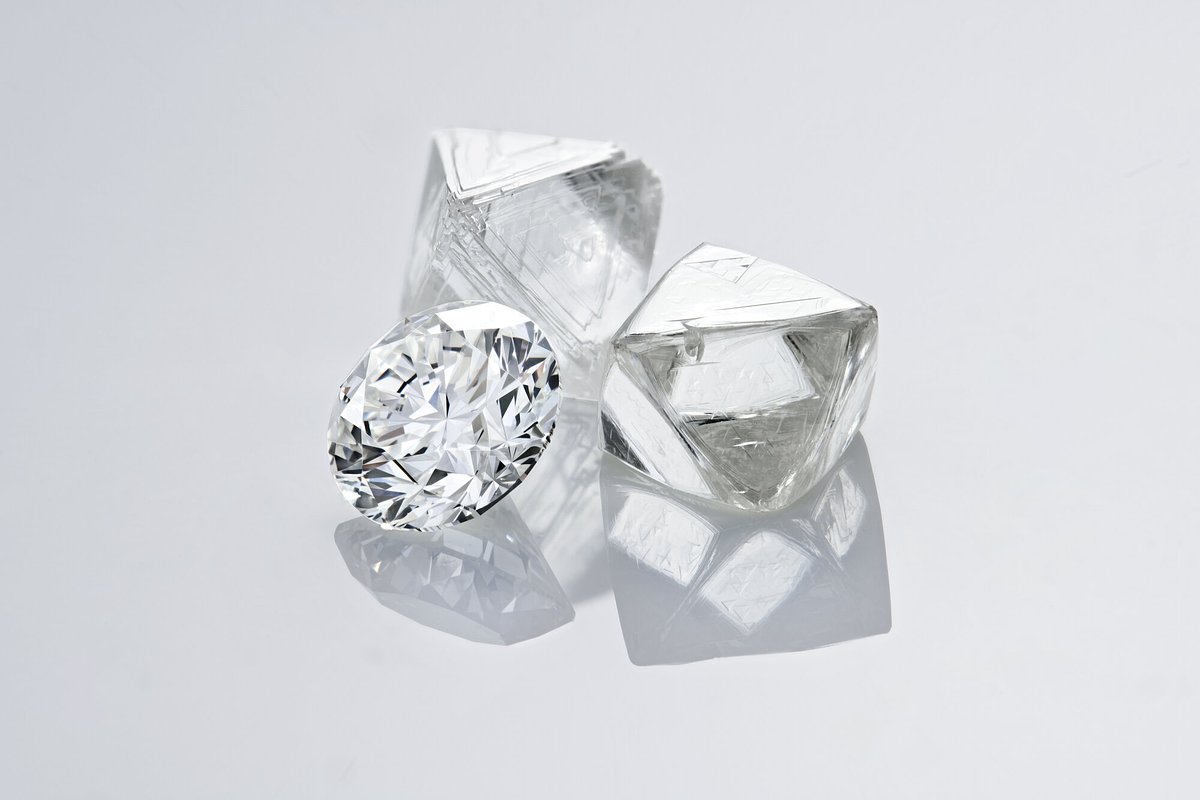
India Redefines 'Diamond': New Rule Roils a Booming Market
MUMBAI, India – January 19, 2026 – In a landmark move set to reshape one of the world's largest jewellery markets, the Bureau of Indian Standards (BIS) has implemented a stringent new regulation, IS 19469:2025, decreeing that the word 'diamond' can only be used to describe a natural, earth-mined stone. The standard aims to bring definitive clarity to consumers, drawing a clear line between natural diamonds and their laboratory-grown counterparts, but it also casts a long shadow over India's burgeoning lab-grown diamond sector.
The new framework, a modified adoption of the international standard ISO 18323:2015, is designed to eliminate the confusing and often inconsistent terminology that has flourished, particularly across e-commerce platforms. For years, consumers have navigated a marketplace filled with ambiguous terms, leaving them uncertain about the origin and nature of their purchases. This regulation seeks to end that ambiguity once and for all, with potentially far-reaching consequences for both traditional jewellers and modern innovators.
A Mandate for Transparency
At its core, the BIS standard is a powerful consumer protection tool. Under the new rules, any use of the word 'diamond' by itself implies the stone is natural. Sellers of man-made alternatives are now required to use the full, unabbreviated phrases 'laboratory-grown diamond' or 'laboratory-created diamond' in all disclosures.
Crucially, the regulation explicitly bans popular, shortened terms such as 'LGD,' 'lab-grown,' or 'lab-diamond' from being used in formal disclosures. It also forbids the use of evocative but potentially misleading language like 'cultured,' 'earth-friendly,' or 'pure' to describe laboratory-grown products. Using a brand name alone without the approved qualifier is also deemed insufficient.
The move has been met with widespread applause from the natural diamond industry. Richa Singh, Managing Director of the Natural Diamond Council (NDC), which championed the initiative, stated, "This standard brings long-awaited clarity for consumers. When someone buys a diamond, they deserve to know exactly what it is—clearly, honestly, and without confusion. Defining what can be called a diamond strengthens trust and protects the value of a truly natural diamond."
This sentiment is echoed by jewellers across the country. "Transparency and Trust is the foundation of the jewellery business, especially in a market like India," said Tarun Kanwar, Director at Navrattan Jewellers. Vaibhav Saraf, Director at Aisshpra Jewellery, added that the decision brings "much-needed clarity and fairness for consumers."
The enforcement of this standard is backed by significant legal authority. Under India's BIS Act of 2016 and the Consumer Protection Act of 2019, non-compliance can lead to severe penalties, including hefty fines up to ₹2 lakh, product seizures, sales bans, and even imprisonment for up to two years for misleading advertisements. This demonstrates a serious commitment from regulators to ensure the new terminology is universally adopted.
A Challenge to the Sparkling Revolution
While the new standard fortifies the position of natural diamonds, it presents a formidable challenge to India's lab-grown diamond (LGD) industry—a sector experiencing explosive growth. India has rapidly become a global powerhouse in the LGD market, which was valued at over $2.6 billion in 2023 and projected to exceed $8.3 billion by 2032. The nation already accounts for an estimated 26% of global LGD production and is the world's largest exporter of the polished stones.
This growth has been fueled by a combination of factors. Government support, including a significant research grant to IIT Madras, has fostered innovation. But the primary driver is consumer demand, particularly from millennials and Gen Z. With LGDs costing 70-80% less than their natural counterparts, they offer an affordable entry into luxury jewellery. Younger consumers are also drawn to the narrative of sustainability and ethical sourcing that often accompanies lab-grown stones.
The new BIS regulation directly confronts this narrative. By banning terms like 'earth-friendly' and enforcing a strict, scientific descriptor, the rule aims to strip LGDs of some of their marketing allure and prevent them from being positioned as simply a 'greener' version of a natural diamond. The prohibition of common, consumer-friendly abbreviations like 'lab-grown' forces the industry to use more clinical language, which could impact consumer perception and slow the commoditization that some industry analysts have warned about.
The Global Ripple Effect
As a dominant force in the global diamond trade, India's regulatory decisions rarely occur in a vacuum. This new standard, while based on an international ISO framework, is stricter in its application than regulations in other major markets, such as the United States. The U.S. Federal Trade Commission (FTC) guides, for example, permit terms like "laboratory-grown," but India's ban on such abbreviations for formal disclosure sets a new, higher bar for transparency.
This move could create a ripple effect across international markets. Global jewellery brands operating in India will be forced to adapt their marketing and disclosure practices, which could lead them to adopt a more standardized, conservative approach globally. Furthermore, it may embolden regulators in other countries, particularly in Europe and China, to consider similar restrictions to protect their own consumers and traditional diamond industries. The standard reinforces a global trend toward clear differentiation, but India's stringent execution places it at the forefront of this movement.
Redefining Value, Culture, and Choice
Beyond the commercial implications, the BIS standard touches on the deep cultural and economic significance of diamonds in India. Natural diamonds are intrinsically linked to momentous life events, serving as symbols of love, legacy, and status. They are cornerstones of bridal trousseaus and cherished family heirlooms, representing an emotional and financial value passed down through generations.
The rise of LGDs has introduced a new dynamic. They have found a popular niche in fashion and festive jewellery, allowing for more accessible and frequent purchases. The new regulation effectively formalizes this emerging market segmentation. It reinforces the narrative of natural diamonds as rare, precious, and emotionally significant, while positioning laboratory-grown diamonds as a distinct, technology-driven product category.
By codifying this distinction, the standard not only protects consumers but also supports the vast economic ecosystem built around natural diamonds—from mining to the legendary cutting and polishing hubs in cities like Surat. Ultimately, the regulation empowers Indian consumers to make a more informed choice, armed with the unambiguous knowledge of whether they are purchasing a billion-year-old marvel of nature or a modern marvel of science.