
- NYC electricity prices: 27.2 cents per kWh in late 2024, 54.5% above the national average
- Natural gas prices: 23% higher per therm than the national average in December 2024
- HVAC replacement tipping point: Experts recommend replacement when repair costs reach 50% of a new system's value
Experts agree that rising energy costs in NYC are making older, inefficient HVAC systems financially unsustainable, and homeowners should prioritize replacement over repairs when systems show signs of decline.
HVAC at a Crossroads: Rising NYC Bills Push Replacement
BROOKLYN, N.Y. – January 09, 2026 – Escalating energy prices across New York City are pushing homeowners to a critical financial tipping point, transforming the routine decision of whether to fix an aging heating, ventilation, and air conditioning (HVAC) system into a complex long-term investment analysis. As utility bills surge, local experts are advising residents that clinging to older, inefficient units with repeated repairs may no longer be the most frugal choice.
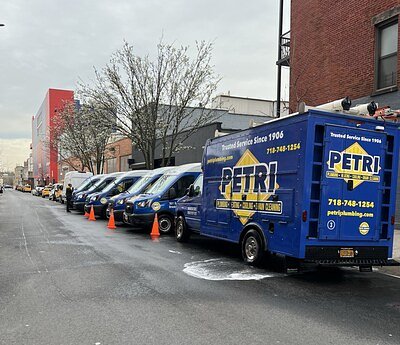
The warning comes as Brooklyn-based Petri Plumbing, Heating, Cooling & Drain Cleaning observes a growing need for homeowners to reassess their strategy. "Many homeowners focus on the upfront cost of a repair without realizing how much an aging HVAC system is quietly draining their wallet every month," said Michael Petri, owner of the long-standing family business. "When energy costs rise, inefficient systems become even more expensive to operate, and that's when a replacement often makes more financial sense than another repair."
This guidance is underscored by stark economic realities. The financial burden of home comfort is becoming increasingly heavy for New Yorkers, forcing a re-evaluation of household infrastructure.
The High Cost of Inefficiency
The pressure to upgrade is rooted in verifiable, and often painful, data. In late 2024, households in the New York area paid an average of 27.2 cents per kilowatt-hour (kWh) for electricity—a staggering 54.5 percent above the nationwide average. This figure represents a significant jump from the previous year and continues a trend where local electricity prices have consistently hovered at least 40 percent above the national rate for the past five years.
Natural gas prices tell a similar story. New York area consumers paid nearly 23 percent more per therm than the national average in December 2024. With wholesale prices fluctuating and forecasts from the U.S. Energy Information Administration (EIA) predicting continued price increases nationally through 2026 and beyond, the era of cheap energy appears to be over.
These rising costs directly penalize inefficiency. An older HVAC system, which may have been adequate a decade ago, now operates at a significant financial deficit compared to modern units. Its lower efficiency rating means it must run longer and harder to provide the same level of comfort, consuming more of the expensive energy that is straining household budgets.
The Repair-Versus-Replace Tipping Point
Knowing when to abandon repairs in favor of a full replacement is crucial. According to Petri, several warning signs indicate that a system has become a financial liability rather than an asset.
One of the most obvious indicators is a pattern of frequent or increasingly costly repairs. Industry experts often cite the "50% rule" as a reliable guideline: if the cost of a single repair approaches half the value of a new system, replacement is the smarter long-term investment.
System age is another critical factor. Most central air conditioners and heat pumps are designed for a lifespan of 10 to 15 years. Furnaces may last longer, but once a system crosses that decade-and-a-half threshold, its efficiency has likely degraded significantly. An HVAC unit from the early 2010s is simply not built to the same standards as one manufactured today, making it inherently more expensive to run.
Homeowners should also pay attention to inconsistent comfort. If certain rooms are perpetually too hot or too cold, or if the system struggles to maintain a set temperature, it is a sign of declining performance. Excessive noise and poor airflow are further symptoms that the unit is failing. Finally, outdated technology, such as systems using the phased-out R-22 refrigerant, makes repairs not only more expensive but also more difficult as parts and coolant become scarce.
The Promise of Modern Efficiency and Technology
While the upfront cost of a new HVAC system can be daunting, the benefits extend far beyond a simple return to functionality. Today's units are governed by stricter federal efficiency standards, known as SEER2 for cooling and AFUE for heating, which translate directly into lower energy consumption and reduced utility bills.
For instance, new central air conditioners sold in New York must meet a minimum efficiency rating of 13.4 SEER2, equivalent to the 14 SEER standard of the past. High-efficiency models boast even higher ratings, with some ENERGY STAR certified units being up to 15% more efficient than standard models. Similarly, new high-efficiency furnaces can achieve AFUE ratings of over 95%, meaning only 5% of fuel is wasted, compared to older models that could waste 30-40% of the energy they consume.
Beyond raw efficiency numbers, modern systems offer advanced features that enhance both comfort and savings. Variable-speed motors and two-stage compressors allow the unit to run at lower, more consistent speeds for longer periods, avoiding the energy-intensive jolts of constantly cycling on and off. This not only saves energy but also improves air quality, provides more even temperatures, and better controls humidity. Compatibility with smart thermostats allows for precise scheduling and remote adjustments, further optimizing energy use around a household's actual needs.
Softening the Financial Blow with Incentives
Recognizing the significant barrier posed by the initial investment, federal, state, and local governments have implemented a suite of incentives to encourage homeowners to upgrade. These programs can dramatically reduce the net cost of a new, high-efficiency HVAC system.
The federal Inflation Reduction Act of 2022 significantly enhanced the Energy Efficient Home Improvement Credit. Homeowners can now claim a tax credit for 30% of the cost of qualified upgrades, up to $2,000 for installing an electric heat pump and up to $600 for a qualifying central air conditioner or furnace. The credit, available annually through 2032, also covers up to $150 for a home energy audit, which is a crucial first step in identifying efficiency needs.
At the state level, the New York State Energy Research and Development Authority (NYSERDA) offers robust programs like the NYS Clean Heat rebate, which provides thousands of dollars back to homeowners who install high-efficiency, cold-climate air source heat pumps. NYSERDA also provides access to low-interest financing to help manage the upfront cost.
Local utilities add another layer of support. Con Edison, for example, offers its own rebates on a range of ENERGY STAR certified equipment, including central air conditioners, heat pumps, and smart thermostats, further chipping away at the purchase price.
By stacking these federal, state, and local incentives, homeowners can make the switch to a modern, efficient system a far more manageable financial undertaking. A professional evaluation can help residents not only diagnose their current system's health but also navigate the available rebates to maximize their return on investment.
"Rising energy costs aren't going away," Petri concluded. "Knowing when to stop repairing and start replacing can help homeowners take control of their comfort, reduce monthly expenses and avoid emergency breakdowns when they need their system the most."