
- $383 million raised since 1998
- 161,000+ scholarships awarded
- 99% graduation rate for scholarship recipients
Experts would likely conclude that Arizona's tax credit system for private school scholarships demonstrates a unique model of public-private partnership in education, with measurable academic outcomes for recipients, though it remains a subject of ongoing debate regarding its impact on public school funding.
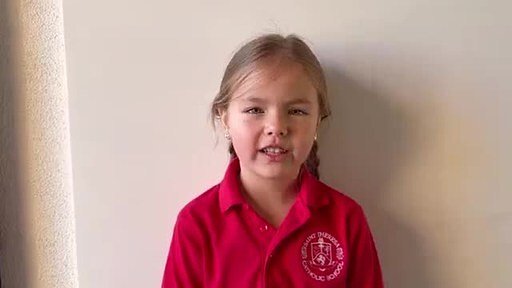
How Arizona Tax Dollars Fuel Private School Scholarships
PHOENIX, AZ – February 19, 2026 – In an educational landscape marked by debates over funding and choice, Catholic Education Arizona (CEA) is highlighting a powerful and unique system that allows Arizona taxpayers and businesses to redirect their state tax liabilities into K-12 scholarships. Through a combination of individual and corporate tax credits, alongside traditional philanthropy, the organization has created a formidable funding pipeline for students in the 38 Diocese of Phoenix Catholic schools, focusing on those who are underserved, disabled, or in the foster care system.
Since its inception in 1998, CEA has raised over $383 million and awarded more than 161,000 scholarships, demonstrating the significant scale of this private-sector-driven initiative. The model provides a compelling case study in how state tax policy can be leveraged to support private education, offering what supporters call a no-cost method for individuals and corporations to make a direct impact.
"Through Arizona tax credits and charitable giving, Arizona taxpayers can make a meaningful difference—ensuring that underserved students have access to a high-quality education that prepares them for lifelong success," said Nancy Padberg, MBA, President and CEO of Catholic Education Arizona, in a recent statement.
The Mechanics of 'No-Cost' Giving
The foundation of CEA's fundraising success lies in Arizona's robust school tuition tax credit program. This system allows taxpayers to receive a dollar-for-dollar credit against their state income tax for contributions made to certified School Tuition Organizations (STOs), such as CEA. This effectively means a taxpayer can redirect money they would otherwise pay to the state, channeling it instead toward private school scholarships.
For individuals, the program is twofold. The Original Private School Tuition Tax Credit (A.R.S. 43-1089) allows a married couple filing jointly to contribute up to $1,570 for the 2026 tax year. Once that limit is reached, the Switcher/Overflow-PLUS Tuition Tax Credit (A.R.S. 43-1089.03) allows for an additional contribution of up to $1,561. Single filers have corresponding limits of $787 and $784. Contributions can be made up until the tax filing deadline in April for the preceding tax year, and any unused credits can be carried forward for up to five years.
Corporations can also participate through the Arizona Low-Income and Disabled/Displaced Corporate Tax Credit programs. These allow businesses to receive a 100% dollar-for-dollar credit for contributions, effectively redirecting their entire corporate tax liability to fund scholarships. This program operates under a statewide cap, which for the 2025 fiscal year is set to increase to approximately $185 million. Due to the cap, corporate contributions are allocated on a first-come, first-served basis and require pre-approval from the Arizona Department of Revenue, a process managed by the STO on behalf of the donor corporation.
"Through the Arizona Corporate Tax Credits, we see lives changed every day," noted Deb Preach, CEA's Chief Operating Officer. "When children are given the opportunity to learn, grow, and believe in their potential, the impact reaches far beyond the classroom—shaping families, communities, and the future leaders of Arizona."
A Track Record of High Achievement
The stated goal of this extensive funding mechanism is to produce tangible results for students. Catholic Education Arizona reports impressive outcomes for its scholarship recipients, including a 99% high school graduation rate. This figure stands in stark contrast to Arizona's statewide public school average graduation rate, which stood at 80.5% for the 2022-2023 school year.
Furthermore, the organization reports that 96% of its scholarship students matriculate to higher education, trade schools, or military service. While direct, third-party verification of these specific statistics is complex, they align with broader trends showing that students in private school settings, particularly those in structured scholarship programs, often post high rates of academic success and post-secondary enrollment.
The scholarships are intended to provide access to what CEA describes as a "quality, values-based education." This approach appeals to families seeking not only strong academics but also a specific moral and ethical framework for their children's development. For students from low-income families or challenging circumstances, the stable and supportive environment provided by these schools can be a critical factor in their success.
An Ecosystem of Community Support
While tax credits form the financial backbone of the program, CEA's model represents a broader ecosystem of community support. The third major avenue for giving is through traditional and planned charitable donations, managed by the organization's 'Changing Lives with Legacy' division. This allows for direct gifts of cash, bequests in wills, IRA charitable rollovers, and gifts of stocks and bonds.
This multi-pronged approach creates a collaborative effort involving individual taxpayers, small businesses, large corporations, and dedicated philanthropists. The synergy between these groups has built a robust and resilient scholarship program that has operated for over a quarter of a century, navigating economic shifts and policy changes.
State law mandates that STOs like CEA must award at least 90% of the donations received as scholarships, ensuring that the vast majority of funds go directly to student aid. The scholarship allocation process is need-based, with corporate tax credit funds specifically targeted toward students from low-income families, those with disabilities, or children in the foster care system.
Navigating Arizona's School Choice Landscape
School Tuition Organizations are a central pillar in Arizona's broader, and often contentious, school choice movement. Proponents of the tax credit system argue that it saves the state money, as the cost of a scholarship is typically less than the per-pupil cost of public education. They also champion the programs as a vital tool for empowering parents, especially those with limited financial means, to choose the educational environment that best suits their child's needs.
However, the model is not without its critics. Opponents frequently raise concerns about the diversion of tax revenue that could otherwise fund public schools, which serve the majority of the state's students. Questions of accountability and transparency for private schools receiving these indirect public funds are also common points of debate. The discussion is part of a larger conversation in Arizona that includes other school choice mechanisms like the universal Empowerment Scholarship Account (ESA) program.
Despite the ongoing political debate, the tax credit scholarship program remains a significant and legally established part of Arizona's educational fabric. For organizations like Catholic Education Arizona, it provides the essential framework to connect community resources with student needs, continuing its mission to transform lives one scholarship at a time.