
- 2025 Corruption Perception Index (CPI) Score: 76/100, ranking Hong Kong 12th least corrupt globally out of 180 territories.
- World Bank 2025 Governance Ranking: 18th out of 215 countries for 'Control of Corruption', the second-highest in Asia.
- Seminar Participation: 50 business leaders from 14 chambers of commerce engaged in anti-corruption strategies.
Experts agree that Hong Kong's proactive anti-corruption measures, reinforced by public-private partnerships, are crucial for maintaining its status as a trusted global business hub, ensuring long-term economic stability and investor confidence.
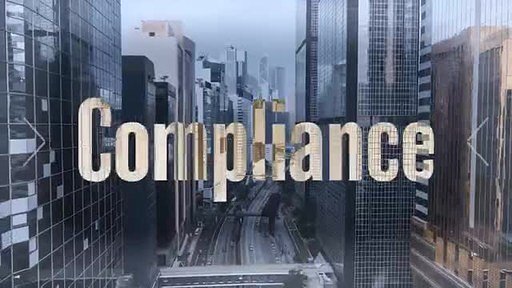
Hong Kong's Anti-Graft Push Fortifies Its Global Business Haven Status
HONG KONG – April 09, 2026 – In a move to reinforce its reputation as a bastion of clean governance, Hong Kong’s anti-graft watchdog has brought together the city’s business elite to bolster the ethical foundations that underpin its status as a premier international investment hub. The recent Integrity Leadership Seminar highlights a proactive strategy to ensure that a culture of integrity remains a key competitive advantage amidst a complex global economic landscape.
A Partnership for Probity
The seminar, held in late March, was a collaborative effort between the Independent Commission Against Corruption (ICAC) and 14 of the city's most influential chambers of commerce. Organized by the ICAC's Hong Kong International Academy Against Corruption (HKIAAC) and the Hong Kong Business Ethics Development Centre (HKBEDC), the event gathered approximately 50 business leaders for an intensive exchange on anti-corruption strategies, corporate governance, and sustainable business practices.
This initiative is a prime example of what ICAC's Director of Community Relations, Diman Mak Wai-keung, described as a highly successful "public-private partnership" or "PPP." He emphasized that this collaboration reflects the business community's deep-seated commitment to upholding the city's clean reputation.
"Integrity culture is a distinctive strength of Hong Kong," Mr. Mak stated during the event. "HKBEDC has worked alongside the private sector in building stronger, more resilient organisations capable of competing and winning in the global economy. The ICAC would continue to deepen the partnership in the years ahead to safeguard the continued success of Hong Kong as a trusted international business hub."
The sentiment was echoed by business representatives, including Mr. Edwin Morris of the Hong Kong General Chamber of Commerce, who spoke on the vital role that business leaders and their respective chambers play in maintaining a transparent and ethical commercial environment. The seminar provided a platform for experienced ICAC officers from operations, prevention, and education to share practical insights through case studies, guiding participants on identifying corruption risks and strengthening corporate compliance from within.
Integrity as a Competitive Edge
Hong Kong’s steadfast focus on anti-corruption is not merely a matter of principle but a core component of its economic strategy. The city’s ability to attract and retain international capital is intrinsically linked to the trust and predictability fostered by its low-corruption environment. This reputation is consistently validated by global metrics.
According to the 2025 Corruption Perception Index (CPI) released by Transparency International, Hong Kong scored 76 out of 100, ranking it as the 12th least corrupt territory globally out of 180 surveyed. This score places it well above the Asia-Pacific regional average of 45 and positions it as a leader alongside other top-tier economies like Singapore and New Zealand. This high ranking has been a consistent feature for decades, with the city averaging a rank of 14.5 since 1995.
Further reinforcing this standing, the World Bank’s 2025 Worldwide Governance Indicators ranked Hong Kong 18th out of 215 countries for "Control of Corruption," the second-highest in Asia. These metrics provide tangible evidence to international investors and corporations that Hong Kong's legal and ethical frameworks provide a stable and level playing field, a crucial factor when making long-term investment decisions.
Navigating Risks in a Complex Global Climate
While Hong Kong’s anti-corruption credentials are a significant asset, the city navigates the same geopolitical and economic headwinds as other global financial centers. In an environment marked by shifting trade relationships and increased regional competition, a robust and transparent business environment becomes an even more critical differentiator.
The ICAC’s proactive engagement with the private sector directly addresses the specific risks businesses face. The seminar focused on practical dilemmas, including bribery, conflicts of interest, and fraud within procurement and sales functions. The agency's Business Ethics Development Centre provides a wealth of resources, including industry-specific corruption prevention guides and confidential advisory services, to help companies fortify their internal controls.
This support is crucial, as it moves businesses beyond mere compliance with Hong Kong's stringent Prevention of Bribery Ordinance (POBO) towards cultivating a genuine culture of integrity. By equipping leaders with the tools to identify red flags and implement robust ethical frameworks, the ICAC helps mitigate risks before they escalate, protecting both individual companies and the city's collective reputation. The interactive discussions at the seminar allowed the ICAC to gather direct feedback on the real-world challenges practitioners face, enabling the agency to tailor its assistance more effectively.
A Collaborative Model for a Sustainable Future
The synergy between the ICAC and the business community serves as a powerful model for sustainable development. Rather than a top-down regulatory approach, Hong Kong fosters a collaborative ecosystem where government agencies and private enterprises share the responsibility for upholding ethical standards. This partnership extends beyond one-off seminars, involving continuous dialogue, training, and resource sharing.
The involvement of 14 chambers of commerce demonstrates the breadth of this commitment across various sectors of the economy. By engaging directly with the leadership of these organizations, the ICAC ensures that the message of integrity cascades down through member companies, including small and medium-sized enterprises (SMEs) that form the backbone of Hong Kong's economy.
This sustained, collaborative effort is central to the city's long-term vision. As global standards for corporate governance and ESG (Environmental, Social, and Governance) criteria continue to evolve, Hong Kong's deep-rooted culture of anti-corruption provides a solid foundation for meeting and exceeding international expectations.
"The ICAC will continue to work alongside the business sector to uphold Hong Kong's clean and fair business environment, further solidifying its international reputation as a city of integrity for investment," Mr. Mak concluded, reaffirming the commission's unwavering commitment to this enduring partnership.