
- 16 stadiums across the U.S., Canada, and Mexico will feature sensory-inclusive rooms equipped with Hisense technology.
- 5% to 16.5% of the population experience sensory processing challenges, benefiting from this initiative.
- 3,500+ locations globally certified by KultureCity, including NFL, NBA, and NHL venues.
Experts would likely conclude that Hisense's partnership with FIFA and KultureCity sets a new standard for corporate sponsorship by seamlessly integrating social impact with brand strategy, demonstrating how technology can drive inclusivity at a global scale.
Hisense's World Cup Play: A New Blueprint for Brand and Social Impact
DUBAI, UAE – June 11, 2026 – In a move that redefines the intersection of corporate sponsorship, technology, and social responsibility, consumer electronics giant Hisense has partnered with FIFA and the nonprofit KultureCity to deliver the first-ever sensory-inclusive FIFA World Cup™ in 2026. While on the surface a laudable accessibility initiative, a deeper analysis reveals a sophisticated strategic play that offers a blueprint for how global brands can leverage their core assets to generate profound social impact and, in turn, significant brand equity.
The announcement confirms that all 16 host stadiums across the United States, Canada, and Mexico will feature dedicated sensory rooms equipped with Hisense technology. This groundbreaking commitment aims to make the world’s most-watched sporting event accessible to the estimated 5% to 16.5% of the population who experience sensory processing challenges, including individuals with autism, PTSD, dementia, and anxiety. For this segment of fans, the roaring crowds, bright lights, and intense energy of a live match can be overwhelming, effectively barring them from participating. This initiative, which also includes complimentary tickets for families with sensory needs, seeks to tear down those barriers.
A New Standard for the Global Stage
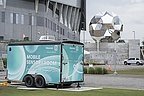
At the heart of the initiative is the creation of dedicated quiet spaces within each of the 16 tournament venues. These sensory rooms are designed as calming oases where fans can retreat to regulate their sensory experience. They will feature dimmed lighting, comfortable seating, tactile resources, and crucially, Hisense displays presenting calming visual content. The company's advanced screen technology, known for its clear and balanced visuals, will be repurposed from a tool of entertainment to one of therapeutic support, aiding in relaxation and sensory regulation.
This represents a significant evolution in event accessibility. While many individual venues have introduced sensory accommodations, implementing such a comprehensive, standardized program across a multi-national tournament of this magnitude is unprecedented. "Football has a unique ability to bring people together across cultures, generations, and communities," said Jason Ou, President of Hisense Middle East, Africa and India. "By supporting a more inclusive FIFA World Cup experience, we aim to help ensure that more fans and families... can share in the excitement, connection, and sense of belonging that make football the world's game."
The plan is robust, offering sensory rooms within the main venue or in the expanded Stadium Fan Experience area, with eight stadiums providing both options. This ensures that a quiet space is accessible at every stadium for the duration of every match. The initiative is not a standalone effort but complements FIFA’s broader accessibility framework, which already includes sensory bags and trained venue staff. "Football unites the world, and it is our goal to help everyone be able to participate in this sport—whether as a player or as a fan," stated Heimo Schirgi, Chief Operating Officer of the FIFA World Cup 2026™.
The KultureCity Blueprint: Scaling a Proven Model
This ambitious undertaking is not being built from scratch. It leverages the extensive expertise of KultureCity, a nonprofit that has become the de facto leader in sensory inclusion. Founded by medical professionals who are also parents of an autistic child, KultureCity has certified over 3,500 locations globally, including venues for the NFL, NBA, and NHL. Their model is built on a two-pronged approach: creating physical accommodations and, just as importantly, training staff.
KultureCity's certification process requires venues to train at least 50% of their public-facing staff to recognize sensory needs and assist guests experiencing overload. This training, delivered by medical experts and neurodivergent individuals, is critical for creating a genuinely supportive environment. Certified venues are also equipped with sensory bags containing tools like noise-canceling headphones, fidget toys, and visual cue cards. The FIFA World Cup 2026 partnership will see this proven model deployed on its largest stage yet, with the added complexity of coordinating across three countries and multiple languages.
While the organization's work is widely praised, some accessibility advocates note the challenge of maintaining high standards at such a scale. The success of the program relies heavily on the sustained commitment of partner organizations to ongoing training, ensuring the certification represents more than a one-time achievement. For FIFA and Hisense, the long-term institutional commitment to training thousands of staff and volunteers will be the true test of the initiative's enduring impact.
Beyond Philanthropy: An Investment in Brand Leadership
From an institutional perspective, Hisense's role in this partnership is a masterclass in modern corporate strategy. This is not simply a philanthropic donation; it is a direct investment in brand value, executed by integrating the company's core technological competency into a powerful social narrative. In an era where consumers, particularly younger demographics, increasingly align their purchasing decisions with corporate values, such initiatives can generate returns that far exceed traditional marketing spend.
By embedding its display technology as a tool for wellness and inclusion, Hisense achieves several strategic objectives. First, it creates profound brand differentiation. In the hyper-competitive consumer electronics market, being the technology partner behind the "first-ever sensory-inclusive World Cup" provides a unique and memorable brand story. It positions Hisense as an innovator not just in picture quality, but in human-centric applications of technology.
Second, it fosters deep emotional resonance with a broad audience. The initiative directly serves a specific community, but its message of inclusivity appeals universally. It tells consumers that Hisense is a company that invests in making the world more accessible, building a level of goodwill and brand loyalty that ad campaigns struggle to achieve. According to one marketing analyst, "This type of authentic, mission-driven partnership is the holy grail of modern branding. It's not about what the company says; it's about what it does."
Finally, it reinforces Hisense's image as a global leader. As a major sponsor of the world's biggest sporting event, the company is already on a massive stage. By choosing to activate its sponsorship in a way that addresses a significant social need, Hisense elevates its status from a mere advertiser to a proactive corporate citizen, setting a powerful example for other global brands.
This partnership signals a maturation of corporate social responsibility, moving it from the periphery of corporate communications to the core of strategic brand-building. The FIFA World Cup 2026 will feature 104 matches over 39 days, but the impact of making these games accessible will last far longer. It challenges other global event organizers and their corporate partners to think beyond conventional sponsorship activations and consider how their resources and expertise can be leveraged to foster a more inclusive world. For Hisense, this is a strategic play that demonstrates that doing good is, unequivocally, good for business.