
- 50+ cancers detected: The test screens for signals of over 50 types of cancer.
- 89% accuracy: The test predicts the cancer’s likely origin with nearly 89% accuracy.
- $949 price: The test costs $949, with a $250 discount for existing Hims & Hers lab subscribers.
Experts acknowledge the potential of the Galleri test to improve early cancer detection but emphasize the need for further clinical validation and regulatory approval to ensure its safety and effectiveness.
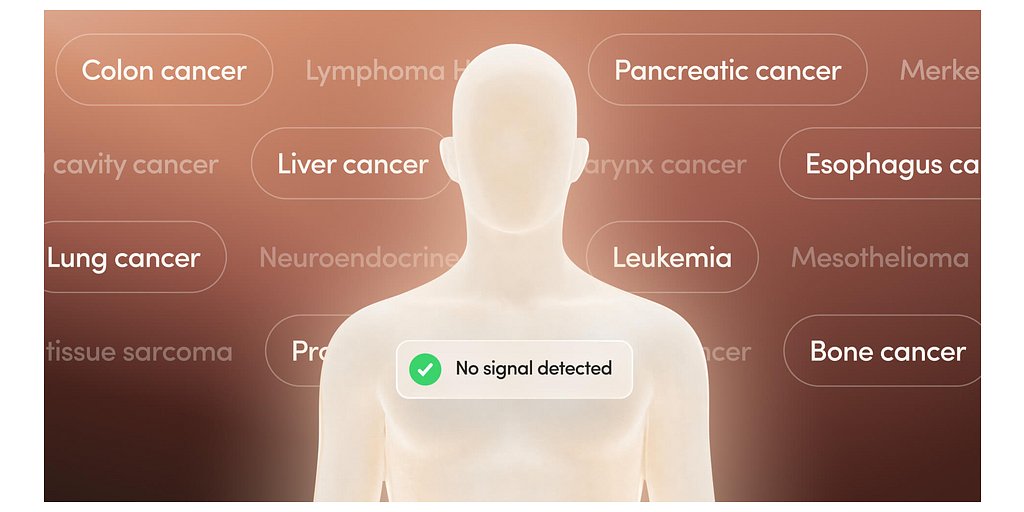
Hims & Hers Offers Cancer Test, Sparking Hope and Scrutiny
SAN FRANCISCO, CA – February 04, 2026 – Digital health platform Hims & Hers has made a significant leap into advanced diagnostics, offering customers access to a blood test capable of screening for signals of more than 50 types of cancer. The move, announced today, integrates the Galleri® multi-cancer early detection (MCED) test into the company’s direct-to-consumer platform, a decision heralded as a step toward democratizing proactive healthcare but one that also lands in a complex landscape of clinical uncertainty and regulatory debate.
The Hims & Hers Multi-Cancer Test by Galleri®, developed by the life sciences company GRAIL, is designed to detect a shared cancer signal in the bloodstream, often before physical symptoms emerge. By adding the test to its services, Hims & Hers aims to leverage its digital reach to provide broader access to cutting-edge screening technology.
“World-class care should be available to everyone, not just those with the time and resources to navigate the traditional system,” said Andrew Dudum, co-founder and CEO at Hims & Hers, in a statement. “Our platform brings together the best the healthcare industry has to offer in order to close the access gap, and our work with GRAIL is a critical part of delivering cutting-edge care to everyone.”
The Promise of a Simple Blood Test
The appeal of a single blood test that can screen for dozens of cancers, including aggressive types like pancreatic and ovarian which lack routine screening methods, is undeniable. Traditional screenings target individual cancers like breast, colon, and cervical cancer, leaving a vast number of malignancies undetected until they are often at an advanced stage.
The Galleri test works by analyzing cell-free DNA in the blood for methylation patterns associated with cancer. When a cancer signal is detected, the technology can also predict the cancer’s likely origin in the body with a reported accuracy of nearly 89%, helping to guide physicians toward a targeted diagnostic workup.
“We know that cancers found early, before they’ve spread, can potentially have better outcomes than those caught later after the cancer has spread,” stated Dr. Pat Carroll, Chief Medical Officer at Hims & Hers. “With access to this new, innovative screening technology, we’re empowering customers to tackle health challenges when treatment can be more manageable and more successful.”
For a list price of $949—with Hims & Hers offering a $250 discount to its existing lab subscribers—customers can receive the test, which is recommended for adults with an elevated risk for cancer, such as those aged 50 or older. The goal is to supplement, not replace, existing guideline-recommended cancer screenings.
A Frontier Fraught with Questions
Despite the promise, the introduction of MCED tests into the consumer market is shadowed by significant questions, chief among them being its regulatory status. The Galleri test is not approved by the U.S. Food and Drug Administration (FDA). Instead, it is offered as a Laboratory Developed Test (LDT) under regulations from the Clinical Laboratory Improvement Amendments (CLIA). CLIA certification ensures a lab meets standards for quality and accuracy in its testing processes, but it does not require the same rigorous demonstration of clinical safety and effectiveness that the FDA demands for full approval.
This distinction is critical. Without FDA approval, there are no official guidelines from major medical bodies recommending the test’s use, and it is generally not covered by insurance. The FDA has granted Galleri a “Breakthrough Device Designation” to expedite its review process, but a final decision on its broader clinical utility remains pending. GRAIL is conducting large-scale clinical trials, including a massive 140,000-person study with the UK’s National Health Service, to gather the long-term data on whether the test demonstrably reduces cancer mortality.
Navigating Accuracy, Anxiety, and Cost
The clinical data on Galleri reveals a nuanced picture. The test boasts a very high specificity of over 99.5%, meaning its false-positive rate is exceptionally low, at around 1 in 250 tests. This minimizes the number of healthy individuals who are incorrectly told they may have cancer.
However, its sensitivity—the ability to correctly identify cancer when it is present—is more variable. The overall sensitivity across all cancer types is approximately 51.5%. This figure is heavily dependent on the cancer’s stage, rising from just 16% for Stage I cancers to over 90% for Stage IV metastatic cancers. While this is a limitation, the test is more sensitive for 12 of the deadliest cancers, detecting them 76% of the time across all stages.
A “No Cancer Signal Detected” result does not definitively rule out cancer, creating a potential for false reassurance. Conversely, a “Cancer Signal Detected” result, while having a positive predictive value of around 45-62% in studies, is not a diagnosis. It is the start of what can be an anxious and expensive “diagnostic odyssey” of imaging and invasive procedures to confirm or rule out the disease.
These complexities are compounded by the issue of cost and equity. At nearly $1,000 out-of-pocket, the test is accessible primarily to the affluent, raising questions about whether it truly “democratizes” healthcare or creates a new tier of preventative medicine for those who can afford it.
A Strategic Leap for Digital Health
For Hims & Hers, offering the Galleri test is a bold strategic expansion from its core business of treating conditions like hair loss, erectile dysfunction, and anxiety into the high-stakes arena of oncology diagnostics. This move positions the company as a more comprehensive health and wellness platform and pits it against a growing field of competitors in the liquid biopsy market, including giants like Exact Sciences and Guardant Health.
The integration of such an advanced test into a direct-to-consumer digital platform signals a broader shift in the healthcare industry. It challenges the traditional model where patients access advanced diagnostics solely through physician gatekeepers in established healthcare systems. While this empowers consumers, it also places a greater burden on them and their providers to navigate the complex benefits, risks, and profound uncertainties that come with this powerful new technology.
Topics & Related
Regulatory Approval
Machine Learning
Healthcare Innovation
Regulation & Compliance
Healthcare & Life Sciences
Related Company Pulse