
- 27-year-old elephant rescued: Veer, a former 'begging' elephant, was transported to safety using a state-of-the-art elephant ambulance.
- 2,600–4,000 captive elephants in India: Estimated population suffering from exploitation and inadequate conditions.
- 280 begging elephants remaining in 2024: Wildlife SOS aims to rescue all by 2030.
Experts emphasize that Veer's rescue highlights both the urgent need for systemic change in India's captive elephant welfare and the critical role of innovative technology and global support in addressing this crisis.
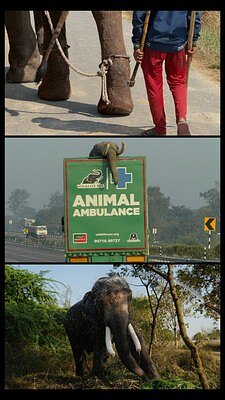
High-Tech Ambulance Delivers Hope for Injured Indian Elephant
UTTAR PRADESH, INDIA – March 04, 2026 – An emergency rescue operation in rural Uttar Pradesh has brought a 27-year-old Asian elephant named Veer to safety, marking a pivotal moment in the fight against animal exploitation in India. Suffering from a severe leg injury after years of forced labor as a "begging" elephant, Veer's journey from captivity to care was made possible by a groundbreaking piece of technology: a newly commissioned, state-of-the-art elephant ambulance.
The rescue, conducted by the global conservation organization Wildlife SOS over the weekend of February 28, culminated in Veer's arrival at the group's specialized elephant hospital today. His story casts a sharp light on the plight of thousands of captive elephants while showcasing the innovative new strategies being deployed to save them.
A Lifeline on Wheels
Veer's rescue marked the inaugural field mission for Wildlife SOS's custom-built elephant ambulance, a vehicle designed to overcome the immense logistical and medical challenges of transporting a multi-ton, injured animal over long distances. In the past, such rescues often relied on hired flatbed trucks, which offered minimal support or protection for the ailing animal.
This new ambulance represents a paradigm shift in emergency response for large wildlife. The interior is engineered to maximize stability and reduce stress, featuring specialized straps and harnesses that allow an elephant like Veer to shift weight off an injured limb while standing, as is required during transit. Crucially, the vehicle includes protected access points, enabling veterinary technicians to safely monitor vital signs, administer fluids, and provide pain management throughout the journey.
"This rescue represents both urgency and hope," said Nikki Sharp, executive director of Wildlife SOS USA, in a statement. "For decades, 'begging' elephants have endured unthinkable physical and psychological trauma. With our new elephant ambulance and expert veterinary team, we are able to respond faster and more safely than ever before."
The organization’s commitment to mobile veterinary care also extends to a "Haathi Sewa mobile clinic," a field vehicle launched in 2025 designed to bring diagnostics and treatment to captive elephants in remote areas where such resources are scarce. These innovations are proving essential in a country grappling with the welfare of its captive elephant population.
From Chains to Sanctuary
For Veer, the journey to the Elephant Conservation and Care Centre in Mathura was a multi-day ordeal, but one that signaled the end of a lifetime of suffering. Before the transport could begin, a Wildlife SOS medical team provided immediate on-site care, cleaning his wounds and administering treatment for the severe leg injury sustained from his years in forced labor.
The long trip was punctuated by frequent stops, allowing Veer to lie down and rest—a simple comfort he was denied while the ambulance was in motion. Upon his arrival at the sanctuary, he was greeted not with shackles, but with a cooling spray of water and the promise of expert care. He now joins a community of over 30 rescued elephants, each with their own story of survival.
At the center, Veer will receive round-the-clock medical attention, a nutritious diet, and a carefully planned enrichment program designed to facilitate both physical and psychological healing. His recovery will be long, but for the first time in decades, he has the chance to live as an elephant, free from the demands and abuses of forced labor.
A National Crisis of Captivity
Veer's story is not an isolated incident. He is a symbol of a deep-rooted crisis in India, where an estimated 2,600 to 4,000 elephants live in captivity. While elephants are revered as a national heritage animal and protected under Schedule I of the Wildlife Protection Act of 1972 (WPA), legal loopholes have allowed their exploitation to flourish.
The practice of "begging" involves elephants being forced to walk hot city streets, often with untreated injuries and suffering from malnutrition, to solicit money from tourists and locals. Beyond begging, elephants are used for entertainment, temple ceremonies, and grueling physical labor. A 2020 report found that over 200 elephants in India were kept in "severely inadequate conditions," while a 2017 study noted that 77% of elephants in tourist entertainment across Asia were treated appallingly.
Critics point to clauses in the WPA that allow elephants to be "gifted" or transferred for "religious or any other purposes" as significant contributors to the problem. Animal welfare advocates argue that these exceptions, particularly those broadened by recent legislative amendments, create a smokescreen for illegal trafficking. Wild elephants are captured, their spirits broken through brutal training methods, and they are then laundered into the captive population through these legal gray areas. The demand for elephants in the tourism and religious sectors continues to fuel this cruel trade.
A Race Against Time
In response to this crisis, Wildlife SOS has launched its ambitious "Begging" Elephant Campaign, with the goal of rescuing and rehabilitating all of India's remaining begging elephants—estimated to be around 280 at the end of 2024—by the year 2030. The campaign was spurred by a growing sense of urgency and tragic losses, such as the death of an abused elephant named 'Moti' in 2025, who collapsed from exhaustion and could not be saved in time.
The organization, which successfully ended the centuries-old practice of 'dancing bears' in India by 2009, is applying its comprehensive model of rescue, advocacy, and long-term rehabilitation to the elephant crisis. By providing a safe haven and lifelong care, they not only save individual lives but also work to reduce the economic incentive for capturing and exploiting more elephants.
The high cost of rescue operations and perpetual care is funded largely by international donations, highlighting the global concern for India's heritage animal. For the team at Wildlife SOS, every successful rescue is a hard-won victory and a step toward a more humane future.
"Veer's rescue is a powerful reminder of why this work matters," Sharp stated. "Because of our supporters, he now has access to the specialized treatment and long-term care he urgently needs. Every donation helps make rescues like Veer's possible and gives elephants like him a chance to recover in safety and dignity."
As Veer begins his slow recovery in the sanctuary, his journey from the dusty roads of Uttar Pradesh serves as a testament to both the enduring resilience of these magnificent animals and the determined human effort required to grant them a life free from chains.