
- City Population: Just under 700,000
- Restaurant Density: Nearly 100 high-caliber restaurants, bakeries, and bars within a 4-kilometer radius
- Collaborative Model: Grassroots initiatives like “Restaurant Day” democratizing culinary expression
Experts agree that Helsinki’s success lies in its collaborative, community-driven approach to culinary innovation, leveraging its compact size and unique cultural identity to create a sustainable and globally competitive food scene.
Helsinki’s Recipe: How Collaboration is Redefining the Food Capital
HELSINKI, FI – December 16, 2025 – As 2026 dawns, Helsinki is simmering with a quiet confidence. For years cast as the younger sibling to its Nordic culinary counterparts, the Finnish capital is no longer looking over its shoulder. Instead, it's forging a distinct identity built not on fleeting global trends, but on a unique combination of intrinsic assets: a compact urban footprint that breeds collaboration, a creative freedom born from a “lighter historical inheritance,” and a deep, almost subconscious connection to nature. The result is a dynamic business ecosystem that offers a compelling blueprint for how cities can cultivate world-class innovation from the ground up.
What’s happening in Helsinki is more than a food story; it’s a lesson in strategic urban development. The city is leveraging its inherent characteristics to build a resilient, authentic, and globally competitive industry. Instead of chasing Michelin stars as the sole metric of success—though it now hosts several—Helsinki is engineering a more sustainable and democratic model of culinary excellence.
The Power of Proximity
If there is a secret ingredient in Helsinki's success, it is its scale. In a city of just under 700,000 people, a dense cluster of nearly one hundred high-caliber restaurants, bakeries, and bars thrives within a tight four-kilometer radius. This extraordinary density, which might foster cutthroat competition elsewhere, has produced the opposite effect: a powerful, collaborative network.
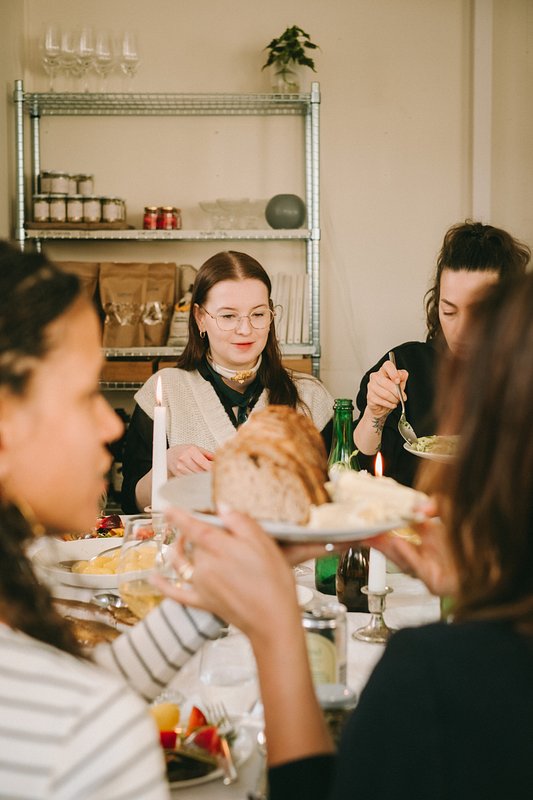
Community here is not a marketing slogan; it’s core infrastructure. Restaurateurs, chefs, and suppliers are not isolated competitors but neighbors who interact daily. This constant exchange fuels a dynamic of mutual support, manifesting in cross-promoted events, shared staff between establishments, and frequent pop-up collaborations. The prevailing sentiment is that a rising tide lifts all boats, and every successful new opening enhances the entire city's appeal. This spirit was famously embodied in the “Restaurant Day” initiative, a grassroots movement born in Helsinki that allowed anyone to open a pop-up eatery for a day, democratizing culinary expression and reinforcing the city’s communal fabric.
This collaborative ethos extends to the service culture. As restaurateur and Finland's Waiter of the Year 2025, Katrina Laitinen, observes, the Helsinki diner is both relaxed and discerning. This has cultivated a service model that is warm, deeply knowledgeable, and unpretentious, stripping away the rigid formalities of traditional fine dining while retaining an intense focus on quality and provenance. The city’s walkability allows patrons to effortlessly journey between different culinary experiences in a single evening, creating a fluid and accessible dining landscape that is a rarity in larger global capitals.
Freedom From Culinary Dogma
For decades, Finnish cuisine was viewed through the narrow lens of the broader “New Nordic” movement. Today, that framework feels insufficient. Helsinki's culinary identity is equally shaped by Baltic and Eastern European influences, giving it a unique creative latitude.
Johan Kurkela, Finland’s representative for the prestigious 2026–2027 Bocuse d'Or competition, sees this as a distinct advantage. “Our culinary heritage isn't carved in stone,” he notes. “That gives us freedom. We're still writing the story.” This open canvas allows chefs to absorb global techniques and filter them through a uniquely local logic—one dictated by the surrounding forests, coastline, and seasons. Restaurants like the Michelin-starred Grön exemplify this, building menus around hyper-seasonal, foraged, and wild ingredients, while employing traditional preserving techniques to extend nature’s bounty through the long winters.
This intrinsic relationship with nature also informs the city’s approach to sustainability. In Helsinki, practices like using local produce, minimizing waste, and respecting seasonality are not performative gestures for a press release; they are culturally ingrained fundamentals of how cooking is done. Because these ecological principles are the baseline, the conversation has evolved to address deeper dimensions of sustainability, such as mental health in kitchens, staff well-being, and creating more inclusive work environments. In Helsinki’s tight-knit community, these critical conversations gain traction and become shared language with remarkable speed.
The Rise of Everyday Luxury
Perhaps the most compelling innovation in Helsinki’s business model is the democratization of quality. A powerful trend is emerging that pivots away from exclusive, once-a-year tasting menus toward what natural wine importer Toni Feri calls “the new affordable luxury.” As he puts it, “Thirty euros is the new two hundred.”
This movement is driven by a new wave of “mono-concept” restaurants: sharply focused establishments that do one thing exceptionally well. Places like Goose Pastabar, celebrated for its handmade pasta, or BasBas Kulma, a neighborhood bistro known for its stellar natural wine list and high-quality small plates, deliver ambitious culinary experiences in relaxed settings with accessible price points. They prove that excellence doesn’t have to be expensive or exclusive, making high-quality dining a part of everyday life, not just a special occasion.
This trend is complemented by a newfound confidence in local traditions. As Brazilian-born entrepreneur Florence Macêdo of Café Clé points out, classic Finnish pastries are being re-evaluated and elevated. The humble Karelian pie and the seasonal Runeberg tart are no longer just rustic home staples; they are being treated as signature products by skilled bakers and chefs. This isn’t simple nostalgia. It’s a form of cultural authorship, demonstrating that local traditions can stand proudly on the global stage, turning familiar flavors into internationally compelling products.
A New Model for a Global Food City
From immigrant-led kitchens weaving global flavors into the city’s fabric to the growing sophistication of its cocktail and natural wine scenes, Helsinki is building its reputation on its own terms. The city’s recent hosting of the MICHELIN Guide Nordic Countries ceremony served as international validation, not of a city catching up, but of one leading with a different philosophy.
By turning its compact size into a collaborative advantage, embracing its unique cultural position to foster innovation, and championing a more accessible vision of luxury, Helsinki offers a powerful case study in how to build a vibrant and sustainable industry. The city's quiet, confident direction is proving that the most impactful innovations are often those rooted in authenticity, community, and a clear understanding of one's own intrinsic strengths.