
- 75% of women skip healthcare appointments due to inconvenience.
- 29% of women report routine visits take over 3 hours, with 10% exceeding 5 hours.
- 87% of women support at-home screening options for preventive care.
Experts agree that the healthcare system is failing to meet the needs of women, particularly due to time constraints and accessibility barriers, and urgent modernization is required to improve preventive care outcomes.
Healthcare's Time Tax: Why 75% of Women Are Skipping Vital Care
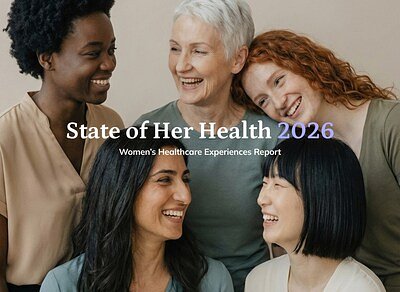
SAN FRANCISCO, CA – February 19, 2026 – A staggering three in four American women are likely skipping necessary healthcare appointments because the system is too difficult to fit into their modern lives, according to a striking new report. The findings, part of the 'State of Her Health 2026' report released by virtual health company Teal Health, paint a stark picture of a healthcare system fundamentally disconnected from the women it is meant to serve.
While women overwhelmingly value preventive care, the report reveals that insurmountable barriers of time, access, and outdated, rigid models are pushing them away. The data comes at a cultural inflection point where conversations around women's health—from fertility to menopause—are more prominent than ever, yet the infrastructure for care remains stubbornly rooted in the past. This growing chasm between patient needs and systemic capabilities suggests a crisis in women's health, one that demands urgent modernization.
The Crushing 'Time Tax' of Seeking Care
The report quantifies a burden long felt but rarely measured: the immense "time tax" placed on women seeking routine care. According to the survey of over 500 women across the U.S., 75% admitted they have probably skipped a visit because they couldn't find a convenient appointment, with a decisive 55% stating they definitely have. The problem is compounded by the sheer length of appointments. Nearly a third of respondents (29%) reported that a routine visit to a primary care physician or OBGYN takes more than three hours from door to door. For more than 10%, that time extends beyond five hours—an impossible commitment for many.
This time burden is exacerbated by societal roles, with 81% of women reporting they regularly prioritize the health needs of loved ones over their own. This trend is consistent with broader data from organizations like the Kaiser Family Foundation, which has long documented how caregiving responsibilities, which fall disproportionately on women, create significant barriers to accessing personal healthcare.
"These findings show a healthcare system that hasn't evolved to fit into the modern woman's life," said Kara Egan, CEO and Co-Founder of Teal Health, in the press release accompanying the report. "Women juggle work, caregiving, and family responsibilities. When healthcare requires hours out of their day, it becomes inaccessible."
A System at a Breaking Point
The consequences of this systemic failure are profound, particularly for preventive health. When routine check-ups are deferred, the window for early detection of serious conditions like cancer narrows. The report highlights that this issue is not just about inconvenience but also about fundamental access. A full quarter of women surveyed stated they do not have regular access to an OBGYN, a critical gap for receiving specialized services like cervical cancer screenings.
This lack of access, whether caused by geographic isolation, provider shortages, or insurance hurdles, forces women into a reactive, rather than proactive, stance on their health. It’s a reality that public health bodies like the American College of Obstetricians and Gynecologists (ACOG) have also raised alarms about, advocating for policies that dismantle these barriers.
"We are seeing a system at its breaking point," commented a public health expert familiar with national health trends who was not involved in the report. "When a significant portion of the population can't access or make time for basic preventive care, we are setting ourselves up for poorer long-term health outcomes and higher costs down the line. It's an unsustainable model."
Beyond the Clinic: The Rise of At-Home Solutions
Frustration with the status quo is fueling a powerful demand for change. The Teal Health report found that an overwhelming 87% of women say trusted at-home screening options would help them stay up-to-date on preventive care, while 95% want doctors who are more forward-thinking and embrace innovation.
This demand is being met by a new wave of health technology. Teal Health itself is at the forefront, having launched the first FDA-authorized vaginal self-collection device for at-home cervical cancer screening. The device allows women to collect their own sample for HPV testing—the primary method for cervical cancer screening—from the comfort of home. Clinical trials validated the method, finding it as accurate as clinician-collected samples, with 94% of participants preferring the self-collection option.
This innovation is bolstered by a significant shift in medical guidance. In late 2025 and early 2026, both the American Cancer Society and other federal health bodies updated their guidelines to officially recommend patient-collected samples as a valid screening option. This endorsement paves the way for broader adoption and insurance coverage, signaling a major turning point in preventive medicine.
"Self-collection is a game-changer for access, but we must ensure a robust 'follow-up' system is in place for positive results," noted an oncologist who reviewed the findings. "The technology is only half the solution. The other half is the virtual support and clear pathways to in-person care when needed, which platforms like Teal Health appear to be building into their model."
The New Digital Health Gatekeepers
The report also uncovers a seismic shift in where women get their health information. Sixty percent of respondents said their primary sources have changed in the last few years. Instead of relying solely on doctors, they are increasingly turning to AI tools (27%), social media influencers (41%), and even athletes (29%) for health recommendations.
This migration to digital platforms presents a complex, double-edged sword. On one hand, it reflects a desire for more accessible, relatable, and immediate information than the traditional healthcare system provides. On the other, it opens the door to a flood of potential misinformation and unvetted advice, complicating health literacy and patient safety.
This trend challenges public health officials and medical providers to meet patients where they are. Rather than dismissing these new channels, the opportunity lies in engaging with them. This could mean collaborating with credible influencers, developing vetted AI-driven health education tools, and training clinicians to have open conversations with patients about the information they encounter online. The shift underscores that modernizing healthcare isn't just about the delivery of services, but also about the communication of trusted information in an increasingly fragmented digital world.