
- 133 instances of unauthorized use of 'Hold On, I'm Comin'' by Trump's campaign
- $3 million in damages sought by the Hayes Estate
- 2-year legal battle resolved in February 2026
Experts view this settlement as a significant victory for artist rights, reinforcing the necessity for political campaigns to obtain proper consent before using copyrighted music.
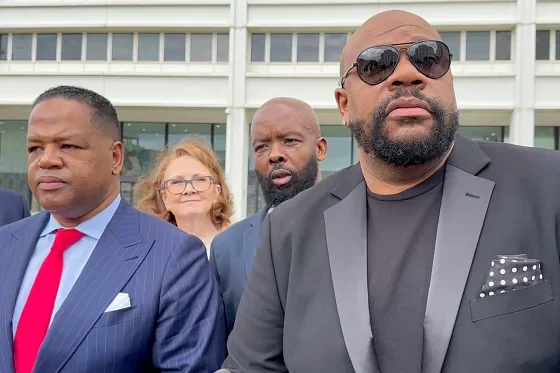
Hayes Estate Settles Trump Music Suit, Vindicating Artist Rights
ATLANTA, Feb. 27, 2026 – The Estate of Isaac Hayes, Jr. and Donald Trump's 2024 presidential campaign have officially ended their legal battle over the unauthorized use of the soul classic "Hold On, I'm Comin'". In a press release issued today, the Hayes family announced that the lawsuit has been "mutually resolved" and that the Estate is "satisfied with the outcome of this matter."
While the specific terms of the settlement remain confidential, the resolution marks the conclusion of a high-profile copyright infringement case that began in August 2024. The agreement brings to a close a nearly two-year dispute that highlighted the persistent friction between political campaigns and artists over the use of popular music. The Estate framed the outcome not just as a legal victory, but as a moral one, stating the resolution "reaffirms the importance of protecting intellectual property and copyright rights."
The Anatomy of a Copyright Dispute
The legal conflict stemmed from the Trump campaign's repeated use of "Hold On, I'm Comin'" as rally music. The lawsuit, filed in the U.S. District Court for the Northern District of Georgia, alleged a staggering 133 instances of unauthorized use in campaign videos and at events between 2020 and 2024, including at a rally in Bozeman, Montana, just days before the suit was filed. The Hayes Estate sought $3 million in damages for copyright infringement.
Initially, Trump's legal team sought to have the case dismissed, arguing the Estate had not sufficiently proven its ownership of the song. However, in a pivotal April 2025 ruling, U.S. District Judge Thomas Thrash Jr. allowed the case to proceed, finding that the Estate had presented sufficient allegations of both ownership and infringement.
A critical development occurred when the performing rights organization BMI informed the Trump campaign in June 2024 that the owners of "Hold On, I'm Comin'" had specifically objected to its use, thereby revoking the song from the campaign's blanket public performance license. This move effectively dismantled a key defense argument, and Trump's lawyers subsequently dropped their claim of having a valid license. By September 2024, Judge Thrash had granted a preliminary injunction, formally ordering the campaign to cease using the iconic track. The joint stipulation for dismissal filed on February 23 of this year, which dismisses the case with prejudice, ensures this specific legal chapter cannot be reopened.
A Pattern of Political Playlists and Pushback
The Hayes Estate's lawsuit is part of a much larger, ongoing narrative of artists and their estates pushing back against the use of their music for political purposes without consent. The Trump campaigns, in particular, have been a frequent target of such actions. Artists from Elton John ("Rocket Man") to Neil Young ("Rockin' in the Free World") have repeatedly voiced objections or pursued legal action over the years.
This case echoes the successful lawsuit brought by musician Eddy Grant, who sued the Trump campaign for using his hit "Electric Avenue" in a political video. In that instance, a federal judge rejected the campaign's "fair use" defense, holding it liable for copyright infringement and damages. Similarly, the estates of Leonard Cohen and Tom Petty have publicly condemned the political use of their work.
The growing resistance has been formalized by industry groups. The Artist Rights Alliance has been vocal in demanding that campaigns seek permission, and a coalition of artists including Mick Jagger, Sheryl Crow, and Sia have signed an open letter demanding politicians obtain consent before playing their music. These actions underscore a fundamental disagreement: while campaigns see popular songs as a tool for creating energy and a cultural connection, creators see the unauthorized use as a violation of their rights and an implicit, often unwanted, endorsement.
Stewarding a Legend's Legacy
For the Isaac Hayes Estate, the fight was about more than just licensing fees; it was about honoring a legacy. The press release emphasized this point, stating the Estate's commitment to ensuring Isaac Hayes, Jr.'s work is "respected and properly protected." The statement continued, positioning the lawsuit as part of a mission to advance "a broader conversation around intellectual property rights and the responsibility to honor creators and their estates."
This sentiment reflects the complex duties of managing a deceased artist's intellectual property. It involves not only protecting financial value but also safeguarding the artist's brand and cultural integrity. The Estate's statement declared that protecting ownership is about "safeguarding dignity, value, and accountability for future generations."
The case also contained a unique layer of complexity. Isaac Hayes co-wrote "Hold On, I'm Comin'" for the soul duo Sam & Dave. Sam Moore, the surviving member of the duo, had previously performed for Donald Trump and appeared to oppose the lawsuit. This divergence highlights the tangled web of rights and relationships that can surround a single creative work, but it did not deter the Hayes Estate from pursuing its claim as a co-owner of the song's copyright.
The Legal Echoes for Future Campaigns
Though the settlement's details are private, its public announcement sends a clear signal to political strategists. The resolution serves as another powerful precedent demonstrating that artists' estates are willing and able to mount significant legal challenges to protect their intellectual property. The increasing frequency of these disputes may force campaigns to fundamentally rethink how they build their rally playlists.
Legal experts note that these cases often hinge on a misunderstanding of copyright law. A campaign's blanket license from a PRO like BMI or ASCAP typically covers public performances at a venue, but it does not grant "synchronization rights"—the right to use music in a video—nor does it override an artist's ability to withdraw their work from that license for political use. Furthermore, it offers no protection against claims of false endorsement or violation of an artist's "right of publicity."
As a result of this settlement, campaign managers are likely to face increased pressure to vet their music choices more carefully, understanding that a popular song could come with the baggage of a potential lawsuit and the accompanying negative publicity. The resolution achieved by the Hayes Estate, built on years of similar actions by other artists, reinforces the message that in the battle over political soundtracks, the creators are increasingly determined to have the final say.