
- 2025 Microbiome Forum: Global experts presented evidence that the gut-brain axis is a clinically actionable pathway, not just theoretical. - Antimicrobial Stewardship: Repeated antibiotic use can severely diminish microbial diversity, leading to chronic health issues. - Corporate Investment: Companies like Purina and Mars are mapping the gut microbiome to develop personalized pet nutrition products.
Experts agree that the microbiome is a central 'organ' in pet health, influencing everything from digestion to behavior, and advocate for precision nutrition and judicious antimicrobial use to optimize long-term wellness.
Gut Instinct: Microbiome Science Redefines Pet Healthcare
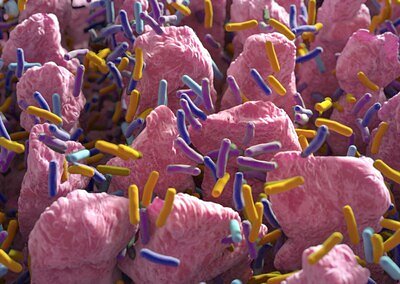
ST. LOUIS, MO – May 19, 2026 – A quiet revolution is unfolding in veterinary clinics and research labs worldwide, one that redefines the very foundation of pet health. At the center of this paradigm shift is the microbiome—the vast, invisible ecosystem of bacteria, viruses, and fungi residing in a pet's gut. Spearheading the conversation, the Purina Institute is working to translate complex science into clinical practice, focusing on two critical frontiers: the intricate gut-brain connection and the urgent need for smarter antimicrobial use.
This push reflects a broader movement in veterinary medicine, where the microbiome is no longer an afterthought but is increasingly viewed as a central "organ" vital to everything from digestion and immunity to behavior and neurological function.
The Gut-Brain Revolution: Beyond a Simple Stomach Ache
For years, the concept of a "gut-brain axis"—a communication highway between the gastrointestinal tract and the central nervous system—was largely theoretical. Now, thanks to a surge in research, it is becoming a clinically actionable pathway. At the Purina Institute's Microbiome Forum in late 2025, a gathering of global scientific experts presented compelling evidence that this axis operates through a complex interplay of microbial metabolites, immune signals, and direct neural pathways.
"The latest gut–brain axis science shows that the microbiome actively communicates with the brain through metabolites, immune and neural pathways--underscoring the axis as a clinically actionable pathway rather than a theoretical concept," said Julia Albright DVM, MA, DACVB, summarizing the sentiment at the forum.
For veterinarians, this transforms the understanding of many common ailments. Neurological and behavioral conditions in dogs, such as epilepsy, anxiety, and even mood regulation, are being reframed as systemic disorders with significant gastrointestinal contributors. This shift moves diet from a passive support role to an active, influential tool. Precision nutrition, tailored to an individual pet's microbiome, is no longer a distant dream but an emerging strategy for actively influencing brain function and managing conditions previously thought to be isolated to the brain itself.
A New Era of Antimicrobial Stewardship
While the gut-brain axis represents a new frontier of therapeutic potential, the second pillar of the microbiome conversation addresses a more immediate threat: the consequences of antimicrobial overuse. Antibiotics are indispensable tools in veterinary medicine, but a growing body of evidence reveals their significant, and often lasting, disruptive impact on the gut microbiome.
Experts at the Microbiome Forum stressed that antimicrobial exposure, particularly in early life or through repeated courses, can severely diminish microbial diversity. This state of "dysbiosis" can impair the gut's barrier function, leaving pets vulnerable to chronic gastrointestinal issues, skin conditions, and other systemic diseases later in life. This has led to a global push for enhanced antimicrobial stewardship, a principle championed by organizations like the World Organisation for Animal Health (WOAH) and the American Veterinary Medical Association (AVMA).
The challenge for veterinarians is immense. They must balance immediate clinical needs with the long-term health of the pet's microbiome, often while facing pressure from clients who expect a quick antibiotic fix. The new approach, reframed through the lens of the microbiome, advocates for a more precise and judicious use of these powerful drugs. This includes leveraging diagnostics to confirm bacterial infections, considering the severity of the disease, and integrating microbiome-supportive strategies like probiotics and targeted nutrition alongside any necessary antibiotic treatment.
"This groundbreaking science reframes antimicrobial use through the microbiome--empowering veterinarians to protect both immediate patient outcomes and long-term health," explained Jan Suchodolski, DVM, PhD, AGAF, DACVM. He emphasized that by advancing microbiome science, the veterinary community can preserve the life-saving efficacy of antibiotics while minimizing unintended harm.
The Corporate Race to Map the Inner World
The push to understand and harness the microbiome is not purely academic; it is also at the heart of a competitive corporate landscape. The Purina Institute's initiative reflects a broader strategy by its parent company, Nestlé Purina PetCare, to position itself as a leader in the high-growth sector of science-based pet wellness. This is exemplified by products like Nestlé's Petivity Microbiome Analysis Kit, which leverages years of research to offer pet owners personalized dietary recommendations based on their pet's unique gut profile.
This strategy is mirrored by competitors. Mars Petcare's Waltham Petcare Science Institute has made significant strides, publishing the "Waltham Catalogue for the canine gut microbiome," a landmark resource that dramatically expanded the known universe of canine gut bacteria. This research, which identified hundreds of novel species, directly informs Mars's nutritional science and product development. Similarly, Hill’s Pet Nutrition actively collaborates on studies examining how different dietary fibers impact gut microbes, reinforcing the industry-wide move toward personalized nutrition.
Beyond the major players, a vibrant ecosystem of specialized companies is emerging. Firms like AnimalBiome offer direct-to-consumer microbiome testing and therapeutic products, including fecal microbiota transplantation (FMT). Meanwhile, pharmaceutical companies like ExeGi Pharma are gaining traction with clinically validated, high-potency probiotics such as Visbiome Vet, which recently received a conditional recommendation from the American College of Veterinary Internal Medicine (ACVIM) for treating certain chronic gut conditions in dogs.
From Lab Bench to Food Bowl
The ultimate goal of this intensive research is to make a tangible difference in the lives of pets and the daily practice of veterinarians. The translation of complex science into practical tools is accelerating. For pet owners, this means a future where dietary choices are not based on breed or age alone, but on a deep, data-driven understanding of their pet's individual biology.
For veterinarians, it promises a more sophisticated toolkit. Instead of relying on broad-spectrum solutions, they are increasingly able to use targeted interventions. This might involve recommending a specific prebiotic fiber to foster beneficial bacteria, prescribing a clinically proven probiotic to restore balance after antibiotic use, or using a microbiome analysis to get to the root cause of a chronic digestive or even behavioral issue.
This movement represents a fundamental pivot towards a more holistic, systems-based view of animal health. By recognizing the profound influence of the trillions of microbes in the gut, veterinary medicine is moving beyond treating symptoms and toward cultivating a foundation of resilient, long-term wellness for the animals under its care. The conversations being driven today are shaping a future where the path to a healthier pet may very well begin with its gut.