
- $4.3 billion: The current value of the Canadian fitness industry, reflecting a post-pandemic recovery and transformation.
- 42%: The proportion of fitness service offerings now using hybrid models (in-person + digital/virtual options).
- 14 new clubs: GoodLife Fitness's planned expansion in 2026 to solidify its market dominance.
Experts would likely conclude that GoodLife Fitness's strategic pivot to a holistic, flexible, and inclusive wellness model aligns with the evolving demands of Canadian consumers, positioning the brand as a leader in the modern fitness industry.
GoodLife Fitness Redefines ‘Canada’s Gym’ for a New Wellness Era
LONDON, ON – January 28, 2026 – GoodLife Fitness, the nation's largest fitness club chain, has launched a significant evolution of its brand identity, aiming to align its vast network with the modern Canadian's changing definition of health and wellness. The new nationwide campaign, 'Canada's Gym. Built Here, Built for Everyone.', which rolled out this January, moves beyond traditional fitness marketing to embrace a more holistic, flexible, and inclusive vision for its members.
This strategic pivot comes as the Canadian fitness landscape undergoes a profound transformation. The one-size-fits-all model of gym-going is rapidly being replaced by a consumer demand for variety, personalization, and a focus on overall well-being that transcends physical exertion. GoodLife's new platform, anchored by the tagline 'One gym. Every journey. Limitless possibilities.', is a direct response to this fundamental market shift.
The New Fitness Paradigm
The post-pandemic era has cemented a new set of expectations for the fitness industry. According to recent market analysis, the industry, valued at over $4.3 billion, is recovering from previous downturns but is being reshaped by powerful consumer trends. A key driver is the move towards holistic health, where mental wellness, stress reduction, and active recovery are considered as vital as physical strength. Over a third of Canadian fitness facilities now incorporate mindfulness and stress-reduction programs, signaling a clear industry response.
Flexibility has also become paramount. Hybrid fitness models, which blend in-person gym access with digital and virtual options, now account for 42% of all fitness service offerings, a dramatic increase from pre-pandemic levels. Consumers are no longer loyal to a single form of exercise; instead, they are "fitness omnivores," blending weightlifting with hot yoga, functional training with cycling, and high-intensity workouts with low-impact mobility sessions. This desire for variety is not just a preference but a core expectation.
GoodLife's campaign appears to be built squarely on these insights. The company is positioning its clubs not just as places to work out, but as comprehensive wellness hubs that can accommodate the fluid and evolving nature of a person's fitness journey.
A Campaign for Every Journey
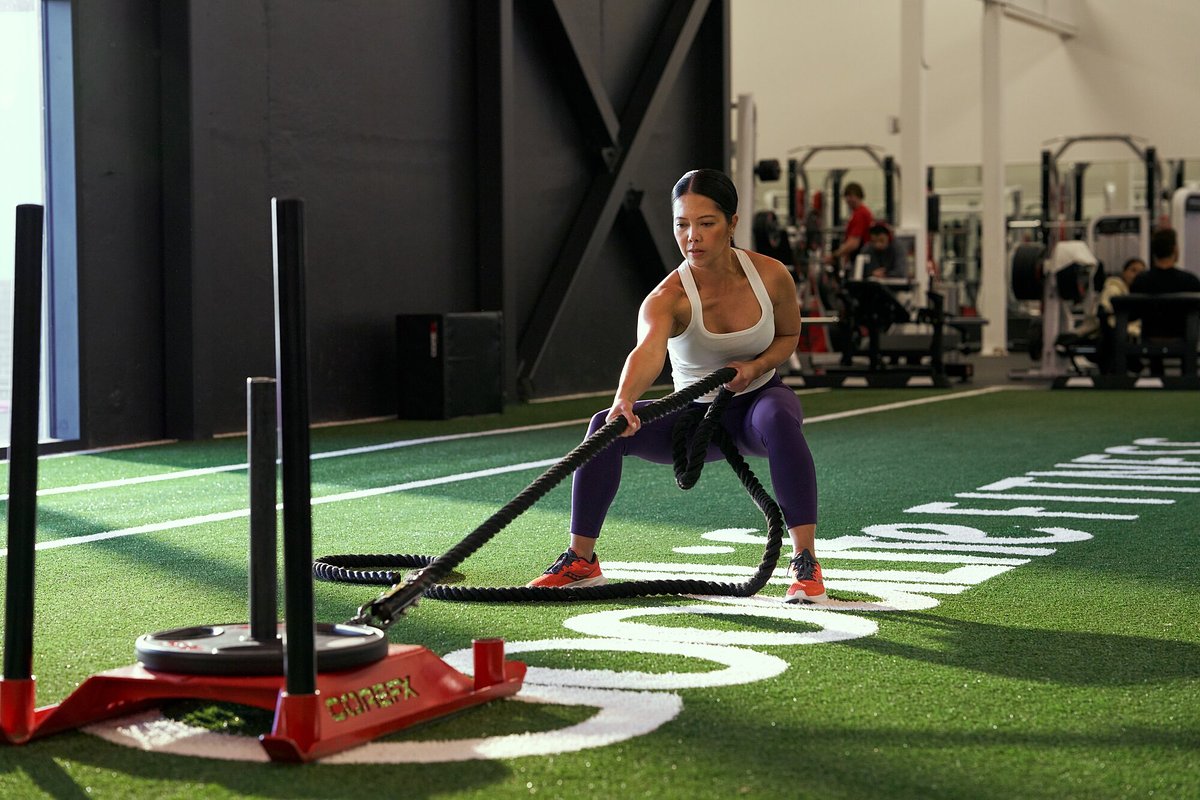
The 'Canada's Gym' campaign highlights the breadth of amenities available under one roof, from heavy lifting zones and hot yoga studios to cycling classes and training areas for specialized events like HYROX races. The creative, shot at a new 60,000-square-foot facility in Calgary, features real members and employees, a deliberate choice to foster authenticity and connection.
"Fitness journeys aren't one-size-fits-all, and neither are our gyms," said Tammy Brazier, senior vice president of marketing, partnerships and external relations with GoodLife Fitness, in a statement. "This campaign celebrates the freedom to move differently from day to day, to try new things and to evolve over time. At GoodLife, you can lift heavy one day, recover the next, join a hot Pilates class, train for a HYROX race, or simply move in a way that feels good. The possibilities are limitless."
This message is brought to life by award-winning director Alexander Sworik and photographer Nicole De Khors, whose work aims to capture the dynamic and personal nature of modern fitness. By showcasing a diverse range of activities and people, the campaign seeks to dismantle the intimidating, monolithic image of "the gym" and replace it with a welcoming and adaptable space.
Solidifying Market Dominance Through Expansion
While the new marketing campaign reframes the brand's narrative, GoodLife is simultaneously backing its message with a significant physical expansion. The company plans to open 14 new clubs this year, a move that reinforces its commanding presence in the Canadian market. With a projected 2025 revenue of $1.4 billion and a market share exceeding 20%, GoodLife already stands as the dominant player.
This expansion is particularly strategic in a highly competitive sector. The Canadian market is fragmented, with low-cost chains like Planet Fitness attracting price-conscious consumers and specialized boutique studios like Orangetheory and Club Pilates catering to niche interests. By expanding its footprint, GoodLife is not only increasing accessibility for its more than one million members but also directly addressing the trend towards specialized offerings. The inclusion of two new 'For Women' locations in the expansion plan demonstrates a commitment to the growing demand for inclusive and dedicated fitness spaces.
This dual strategy of a broad, inclusive marketing message combined with targeted physical growth allows the company to compete across multiple fronts, reinforcing its value proposition as a single membership that offers the variety of multiple boutique experiences.
Reaching Canadians on Every Platform
To ensure its new message resonates across the country, GoodLife has invested in a comprehensive, multi-platform media strategy. The campaign will be visible across connected TV, digital video, social media, search, and out-of-home advertising, ensuring broad reach.
In a particularly modern twist, the media plan includes market-specific executions. In major urban centers where GoodLife has a larger presence, advertisements will be dynamically tailored to highlight the specific range of programs and amenities available locally. This geo-targeted approach aims to make the campaign's promise of "limitless possibilities" feel tangible and immediately accessible to consumers in their own communities.
Furthermore, the company is leaning into the power of authentic storytelling with an ongoing social media docuseries called 'Real Members. Real Stories.' Set to be shared on Instagram and TikTok, this initiative is designed to build community and showcase genuine fitness journeys, moving beyond polished advertisements to create content that feels personal and relatable. This digital-first approach is crucial for engaging younger demographics like millennials and Gen Z, who represent the largest segments of gym members in Canada. By leveraging these platforms, GoodLife aims to break through the typical New Year fitness marketing clutter and forge a deeper, more enduring connection with Canadians. This comprehensive strategy signals that for GoodLife Fitness, being 'Canada's Gym' is less about its size and more about its commitment to supporting the limitless ways Canadians now choose to pursue their well-being.