
- $63M Investment: GM's latest investment in Oshawa Assembly plant to upgrade stamping operations for next-gen gas trucks.
- $1.5B Total Investment: Since 2020, including government contributions, reviving the plant and creating 2,600 jobs by mid-2023.
- 9.4M Units Sold: Full-size pickups accounted for the largest market share in the U.S. in 2024.
Experts would likely conclude that GM's investment in Oshawa underscores the continued dominance and profitability of gas-powered trucks in North America, despite the broader industry shift toward electrification.
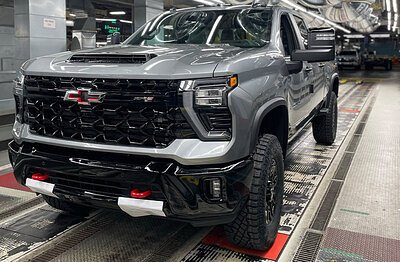
GM's $63M Oshawa Bet Secures Gas Truck Future Amidst EV Shift
OSHAWA, ON – February 18, 2026 – General Motors Canada today announced a new C$63 million investment in its Oshawa Assembly plant, reinforcing the facility's role as a cornerstone of the company's immensely profitable full-size truck production. The investment is targeted at upgrading stamping operations to prepare for the next generation of gasoline-powered pickups and to bolster the plant's aftermarket parts business.
This latest cash injection brings GM's total investment in the historic Oshawa facility to a staggering C$1.5 billion since 2020, a period that has seen the plant resurrected from the brink of closure to become a critical hub for North American truck manufacturing.
"This additional investment underscores Oshawa's importance in GM's full-size truck portfolio," said Jack Uppal, president and managing director of GM Canada, in a statement. "With a long history of building trucks in Canada, the talented team at Oshawa Assembly will continue to play a critical role for years to come in delivering the pickups our customers know and trust."
Stability in a Shifting Landscape
The investment provides a welcome dose of stability for the plant and its workforce, but it arrives in a complex and challenging context. The C$1.5 billion committed since 2020, which included significant government contributions, successfully revived the plant and created 2,600 new manufacturing jobs by mid-2023, a major victory for the Canadian auto sector.
However, the plant's recent trajectory has not been one of uninterrupted growth. In late January 2026, GM confirmed it was cutting one of the plant's three shifts, resulting in approximately 500 direct layoffs, with ripple effects expected to cause a total of 1,200 job losses throughout the regional supply chain. The company cited evolving demand forecasts and the trade environment for the reduction, which returns the plant to a two-shift operation.
This new $63 million investment, therefore, is not about expansion but about securing the future of the remaining operations. It signals GM's commitment to the long-term viability of Oshawa as a two-shift operation focused on its most popular and profitable products: the Chevrolet Silverado light-duty and heavy-duty trucks. Oshawa remains the only GM facility in North America capable of producing both models on a single assembly line, a key strategic advantage.
Betting on a Profitable Present
While the global auto industry buzzes with electrification, GM's investment is a pragmatic bet on the enduring dominance of the internal combustion engine (ICE) in the North American truck market. Full-size pickups remain a sales juggernaut, accounting for the largest market share in the U.S. in 2024 with over 9.4 million units sold. Canada followed suit with over 620,000 units sold.
In the first quarter of 2025 alone, combined sales of the Chevrolet Silverado and GMC Sierra climbed over 5%, demonstrating the segment's robust health. This demand is fueled by a combination of commercial fleet needs in sectors like construction and agriculture, as well as strong consumer preference for the power and utility these vehicles offer. For GM, feeding this demand is a financial necessity.
This strategy is further supported by GM's operations elsewhere in Ontario. The company's St. Catharines Propulsion plant is tasked with producing the next generation of V8 engines, the very power plants destined for the trucks that will be assembled in Oshawa. This creates a tightly integrated ICE powertrain and assembly ecosystem within Canada, designed to efficiently serve the continent's insatiable appetite for pickups.
The Unanswered EV Question
GM's doubling down on gas-powered trucks in Oshawa casts a spotlight on the automaker's evolving, and at times unclear, Canadian electrification strategy. The move contrasts sharply with the company's broader global commitment to an all-electric future.
Just a few years ago, GM's C$2 billion investment plan for Ontario, supported by over C$500 million in government funding, was touted as a two-pronged strategy: ICE trucks for Oshawa and electric vehicles for the CAMI Assembly plant in Ingersoll. CAMI was retooled to become Canada's first full-scale commercial EV plant, producing the BrightDrop electric delivery vans.
However, production of the BrightDrop van at Ingersoll ceased last year, leaving Oshawa as GM's only active vehicle assembly plant in Canada. While the company maintains that its CAMI facility is being assessed for future opportunities, the current reality is that GM's Canadian manufacturing footprint is, for now, exclusively focused on gasoline-powered vehicles. This latest investment deepens that focus, leaving the timeline for any potential EV production in Oshawa a matter of speculation.
Forging the Future: The Role of Stamping
At the heart of the new investment is a strategic upgrade to the plant's stamping operations. This often-overlooked aspect of manufacturing is a critical linchpin for both new vehicle production and long-term service. Stamping involves using massive presses to shape flat sheets of metal into the complex body panels—fenders, doors, and body sides—that form a vehicle's structure and identity.
Upgrading these capabilities allows the plant to work with advanced materials like high-strength steels and aluminum alloys, which are essential for building lighter, more fuel-efficient, and safer next-generation trucks. Modern stamping also incorporates advanced simulation software and automation, boosting precision, reducing waste, and increasing the speed of production.
Crucially, this investment enhances Oshawa's role beyond the main assembly line. By improving its capability to produce service parts, the plant strengthens its position in the lucrative aftermarket business. This ensures that GM can supply replacement body panels for its trucks for years to come, creating a stable, long-term revenue stream and solidifying the plant’s integrated role within the company's North American manufacturing network.