
- 450,000 sewage discharges from storm overflows in England in 2024, exceeding government targets by 320%. - 1.4 million deaths annually from preventable waterborne diseases globally, with cholera cases reported every 45 seconds in 2023. - $134 billion projected market size for global water purifiers by 2034, up from $65 billion in 2025.
Experts emphasize that the global water crisis demands urgent, coordinated action, combining long-term infrastructure investment with immediate point-of-use purification solutions to safeguard public health.
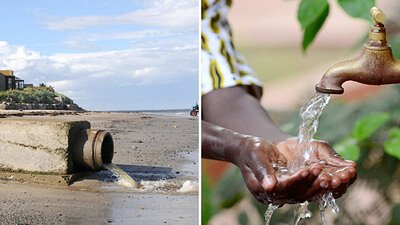
Global Water Crisis Hits Home as Contamination Threatens All Nations
BILLINGSHURST, England – February 25, 2026 – A stark warning has been issued by water purification experts as evidence mounts of a deepening global water crisis, one that is no longer confined to the developing world but is increasingly lapping at the shores of the wealthiest nations. From England’s sewage-choked rivers to devastating cholera outbreaks in Africa, a combination of aging infrastructure, climate change, and chronic underinvestment is contaminating water sources worldwide, placing public health in unprecedented peril.
UK-based water safety authority Hydrachem has sounded the alarm, calling for urgent global action as new data reveals the scale of the threat. "We are witnessing a combination of crises that threaten water safety globally," said Nicolas Barbieri, Chief Commercial Officer at Hydrachem. "Whether it's aging infrastructure in the UK struggling to cope with increased rainfall, or communities in flood-affected regions facing immediate contamination risks, the fundamental challenge is the same – ensuring access to safe, clean water."
The Developed World's Hidden Danger
The illusion of universal water safety in developed countries is crumbling. In England, the latest Environment Agency data paints a grim picture of the nation's waterways. In 2024, there were over 450,000 recorded sewage discharges from storm overflows, an average of nearly 32 spills per overflow. This figure is more than triple the government's own target, which aims for an average of no more than 10 spills per year by 2050. The result is repeated exposure of communities to contaminated water, with untreated sewage flowing for a combined total of over 3.6 million hours in a single year.
The root of the problem lies in infrastructure that is simply no longer fit for purpose. A significant portion of the UK's sewer network is over a century old, making it highly susceptible to failures. This issue is compounded by more extreme rainfall events driven by climate change, which overwhelm the system and trigger emergency discharges. While water companies have pledged billions in investment, including upgrading thousands of storm overflows, critics argue the pace is too slow to address the immediate public health risk.
This is not an isolated British problem. Across the Atlantic, the United States faces its own infrastructural decay. The American Society of Civil Engineers (ASCE) graded the country's drinking water infrastructure at a "C-," citing decades-old pipes and chronic underfunding. An estimated 250,000 water main breaks occur annually, and studies suggest that as many as 45 million Americans drink water each year that violates established health standards.
A Global Health Emergency
While developed nations grapple with decaying systems, the crisis takes on a different, more immediately lethal form in many parts of the world. According to the World Health Organization (WHO), more than 2 billion people lack access to safely managed drinking water, a deficit that contributes to an estimated 1.4 million deaths annually from preventable waterborne diseases. For countless communities, a simple glass of water can carry the risk of cholera, typhoid, or severe dehydration.
The statistics are staggering. Between January 2024 and March 2025, UNICEF recorded over 178,000 cholera cases across 16 countries in Eastern and Southern Africa. These outbreaks, fueled by inadequate sanitation and hygiene infrastructure, spread with terrifying speed. Globally, a new case of cholera was reported every 45 seconds in 2023.
Extreme weather events, supercharged by a warming climate, act as a powerful accelerant. Major floods in South Asian countries, including Pakistan, India, and Bangladesh, have been directly linked to subsequent surges in typhoid and other fecal-oral diseases, as floodwaters contaminate wells and other drinking sources. The Intergovernmental Panel on Climate Change (IPCC) projects with "very high confidence" that the risk from waterborne diseases will continue to increase as the planet warms, disproportionately affecting the world’s most vulnerable populations.
The Search for Resilience and Solutions
Confronting this multi-faceted crisis requires both massive, long-term infrastructure investment and immediate, effective point-of-use solutions. The global water purifier market is surging in response, projected to grow from around $65 billion in 2025 to over $134 billion by 2034 as public and private entities seek to secure safe water supplies.
In crisis zones and areas with compromised infrastructure, rapid purification technologies are a literal lifeline. Hydrachem, with five decades of experience, provides its OASIS water purification tablets to aid agencies, governments, and healthcare providers globally. These effervescent chlorine tablets use NaDCC to make microbiologically contaminated water safe to drink, a critical intervention during emergencies like floods or disease outbreaks.
The principle is simple yet powerful: providing a reliable way to disinfect water at the point of consumption. "Everyone deserves protection from invisible threats in the water they drink," Barbieri emphasized. "Whether you are a local authority managing an outbreak or an aid agency responding to a flood, rapid, effective water purification at the point of use is needed."
The call is for a paradigm shift that combines preventative action with robust emergency response capabilities. This includes greater awareness, investment in climate-resilient infrastructure, and ensuring widespread access to field-tested hygiene solutions.
"Hydrachem was founded on the principle of making a genuine difference to public health, and that mission has never been more vital," Barbieri concluded. "We are here to support authorities, aid agencies and communities to stay safe, prepared and resilient. Stopping waterborne disease outbreaks from escalating into widespread health crises is not just a matter of emergency response; it is a global priority that requires vigilance, effective infrastructure and accessible solutions."