
- 100 million people worldwide live with psoriasis, a chronic disease often overlooked.
- The global economic burden of psoriasis was estimated at $148.85 billion in 2021.
- 80% of countries lack reliable epidemiological data on psoriasis, contributing to delayed diagnoses and inequitable care.
Experts emphasize that psoriasis is a serious, systemic disease with significant physical, psychological, and economic impacts, requiring urgent global attention and coordinated action to improve diagnosis, treatment, and policy integration.
Global Alliance Targets Psoriasis, A Neglected Chronic Disease
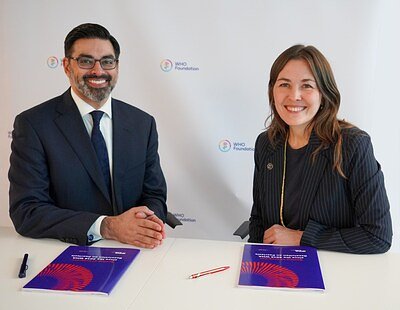
GENEVA, SWITZERLAND – February 10, 2026 – A landmark collaboration launched today aims to elevate psoriasis from a frequently overlooked condition to a global health priority. The International Federation of Psoriasis Associations (IFPA) and the WHO Foundation have signed a multi-year strategic agreement to bolster understanding, diagnosis, and care for the more than 100 million people living with the chronic disease worldwide.
The partnership seeks to address decades of neglect that have left millions suffering from a disease that is far more than skin deep. Psoriasis is a chronic, systemic noncommunicable disease (NCD) that, while manifesting on the skin, is intrinsically linked to a host of serious comorbidities, including depression, diabetes, cardiovascular disease, and obesity.
More Than Skin Deep: The Overlooked Burden of Psoriasis
For the millions affected, psoriasis imposes a heavy physical, emotional, and financial toll. While the visible plaques on the skin are the most recognized symptom, the disease's impact permeates every aspect of a patient's life. The global economic burden of the disease was estimated at a staggering $148.85 billion in 2021, encompassing both direct healthcare costs and lost productivity.
Beyond the financial strain, the psychological impact is profound. According to Frida Dunger, IFPA's Executive Director, the stigma is immense. "More than 80% of people living with psoriasis face stigma and discrimination, nearly half struggle with anxiety, and every third reports to avoid career or study opportunities due to their health condition," she stated in the announcement.
This social and psychological burden is compounded by a critical lack of data and awareness. According to the Global Psoriasis Atlas, a staggering 80% of countries lack reliable epidemiological data on the disease. This information vacuum directly contributes to delayed diagnoses, inequitable access to care, and a fundamental misunderstanding of psoriasis as a serious, life-altering chronic condition.
A Renewed Push After a Decade of Stagnation
This new collaboration builds upon foundational work from a decade ago. In 2014, advocacy led by IFPA resulted in a historic World Health Assembly resolution that officially recognized psoriasis as a serious NCD. This was followed by the WHO's first-ever Global Report on Psoriasis in 2016, which laid out the disease's burden and recommended actions for member states.
However, a 2017 report from the Economist Intelligence Unit found that many governments had taken "little or no action" in the years following the resolution, leaving persistent inequalities in access to treatment and support. The new agreement between IFPA and the WHO Foundation marks a deliberate and urgent effort to reignite momentum and address these lingering gaps.
"Signing this agreement with WHO Foundation is a pivotal moment for IFPA and the entire global psoriasis community," said Dunger. "We are happy to join efforts with WHO and to leverage its global health leadership to make a profound impact, so that people living with psoriasis can choose and live the lives they want."
The partnership's first major undertaking will be to revise and update the landmark 2016 Global Report. In the decade since its publication, scientific understanding of the disease's systemic nature has advanced significantly, and a new generation of targeted therapies has transformed outcomes for many, making an update both necessary and urgent.
Data, AI, and Policy: The Blueprint for Change
The multi-year collaboration will focus on a multi-pronged strategy combining data, technology, and policy to drive systemic change. Central to this is strengthening the evidence base to guide national health strategies. "Stronger data will help countries make more informed decisions, integrate psoriasis into health systems and advance progress toward universal health coverage," explained Anil Soni, Chief Executive Officer of the WHO Foundation.
One of the most ambitious components of the partnership is the plan to develop AI-driven diagnostic tools. The goal is to enable earlier and more accurate detection, particularly in low-resource settings where dermatologists are scarce. Such technology holds the potential to leapfrog traditional barriers to care, providing a powerful tool for primary healthcare professionals.
However, the path to deploying AI in dermatology is complex. Experts caution that AI systems are only as good as the data they are trained on, raising critical concerns about inherent bias. Algorithms trained on datasets lacking diverse skin tones can perform poorly for large segments of the global population, potentially exacerbating health disparities rather than closing them. Ensuring data privacy, establishing clear regulatory oversight, and managing patient expectations will be critical hurdles for the initiative to overcome as it moves from concept to clinical practice.
Alongside technological innovation, the collaboration will prioritize training healthcare professionals to better recognize and manage the disease and its associated comorbidities. The partners will also work to disseminate evidence-based policy recommendations to WHO member states, encouraging the integration of psoriasis care into national NCD and mental health frameworks.
By tackling the disease on multiple fronts—from improving data collection and leveraging cutting-edge technology to driving policy change—the alliance aims to create a new global standard for psoriasis care. This effort is designed not only to improve the lives of those with psoriasis but also to serve as a model for how global health organizations can address other complex and often-neglected chronic diseases, ensuring that millions of patients are no longer left behind.
Topics & Related
Artificial Intelligence
Machine Learning
Sustainability & Climate
Geopolitics & Trade
Mental Health
AI & Machine Learning
Related Company Pulse