
- 12,000+ nominations from 126 countries for the Cambridge Dedicated Teacher Awards
- 20% of rural girls in Ghana drop out before completing junior high school due to poverty, cultural pressures, and child marriage
Experts would likely conclude that Ghana's success in the Cambridge Dedicated Teacher Awards reflects the exceptional dedication and social responsibility of its educators, who go beyond traditional teaching to address systemic barriers in rural education.
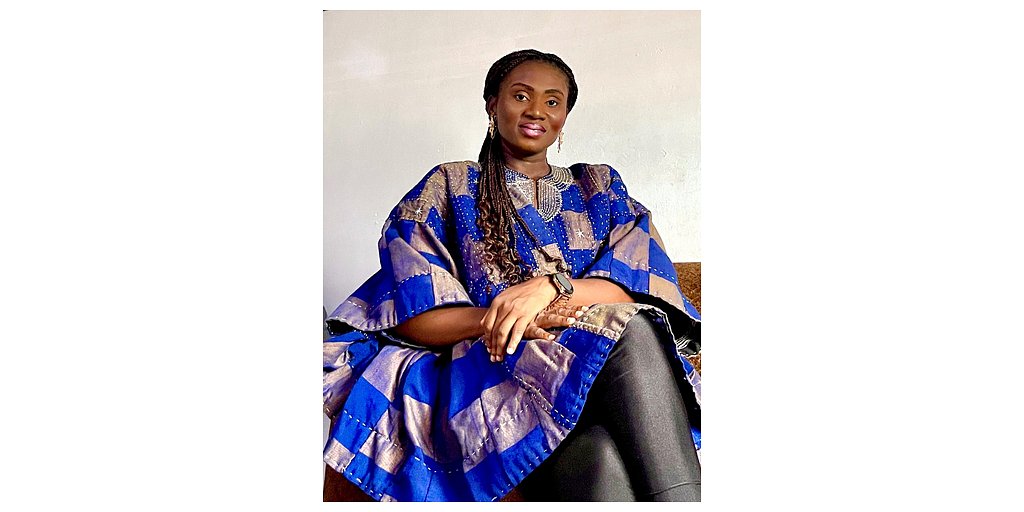
Ghana's Teacher Hero: A Beacon of Hope for Rural Education
ACCRA, Ghana – May 06, 2026 – For the second consecutive year, a Ghanaian educator has captured the international spotlight, cementing the nation's reputation for producing world-class teachers. Abigail Agyeiwaa, a dedicated teacher from Mangoase Senior High School, has been named the 2026 regional winner for Sub-Saharan Africa in the prestigious Cambridge Dedicated Teacher Awards. Her victory not only highlights her extraordinary personal commitment but also follows the trailblazing success of fellow Ghanaian Portia Dzilah, who secured the overall global prize in 2025.
Agyeiwaa was selected from a staggering pool of over 12,000 nominations spanning 126 countries, a testament to the profound impact she has made. The judges at Cambridge University Press & Assessment recognized her not just for her work inside the classroom, but for her tireless efforts to dismantle the barriers that prevent young people in her community from succeeding.
Tackling Challenges Beyond the Syllabus
Abigail Agyeiwaa’s philosophy on education extends far beyond textbooks and lesson plans. ‘Quality education is a fundamental human right, not a privilege,’ she stated. ‘Teaching for me, has always meant looking beyond the classroom to understand what holds learners back, whether that is poverty, health or opportunity.’
This conviction led her to establish the KAGAS Foundation Ghana, a non-profit organization dedicated to creating sustainable change in the Akuapem North Municipality. Through the foundation, she has implemented vital programs focused on education, health, and gender empowerment. This holistic approach directly confronts the severe challenges plaguing rural education in Ghana. Statistics reveal a stark reality: rural areas suffer from inadequate infrastructure, with some children still attending 'schools under trees'. Furthermore, socioeconomic hurdles are immense. Nearly 20% of rural girls drop out before completing junior high school, often due to poverty, cultural pressures, and child marriage.
Agyeiwaa’s work with the KAGAS Foundation provides a crucial lifeline. By addressing issues like health and gender inequality, she creates an environment where learning can actually take place. Her efforts exemplify a growing understanding that a child's ability to learn is inextricably linked to their well-being and social context. ‘If removing those barriers helps even one child stay in school, feel valued and believe in their future, then every effort is worth it,’ Agyeiwaa affirmed. ‘This award strengthens my commitment to uplifting others and creating positive change, however small.’
A Nation of World-Class Educators?
Agyeiwaa’s win sparks a compelling question: What is the source of Ghana's recent, repeated success on the global education stage? Following Portia Dzilah's 2025 global victory for her work in another rural community, Agyeiwaa's regional honor suggests a powerful trend of exceptional dedication among the nation's teachers.
This success is particularly striking when viewed against the backdrop of the country's educational challenges. Ghana's Ministry of Education has faced budgetary issues, with the share allocated to basic education declining in recent years. Rural schools grapple with high pupil-to-teacher ratios and a persistent shortage of trained educators. Despite these systemic obstacles, teachers like Agyeiwaa and Dzilah demonstrate remarkable resilience and innovation. They are not waiting for top-down solutions; they are building them from the ground up.
Their stories suggest that the 'secret' to Ghana's success lies in the profound sense of social responsibility embraced by its educators. They see themselves not merely as instructors, but as community leaders, social workers, and advocates for the vulnerable. This ethos transforms the act of teaching from a job into a mission to uplift entire communities, one student at a time.
The Teacher as a Community Pillar
The Cambridge Dedicated Teacher Awards celebrate educators who, like Agyeiwaa, are redefining the role of a teacher in the 21st century. The award’s criteria emphasize preparing learners for the world beyond school and demonstrating exceptional pastoral care, recognizing that a teacher's impact is measured in life outcomes, not just test scores.
Rod Smith, Group Managing Director of International Education at Cambridge, commented on this very point. ‘Abigail exemplifies the very highest ideals of the teaching profession. By stepping beyond the classroom to support learners’ health and wellbeing, she has shown how education can be a powerful force for social change,’ he said. ‘It is teachers like Abigail who make the greatest difference in education, and that commitment is exactly what this award exists to recognise.’
This model of the teacher-as-community-pillar is critical in regions where state support systems may be thin. By founding organizations, running health drives, and championing gender equality, these educators fill critical gaps, ensuring that their students have a fighting chance to overcome the circumstances of their birth.
A Global Stage for Local Champions
Abigail Agyeiwaa now stands as one of nine regional winners from around the globe, each with a powerful story of dedication. Other winners include Soma Mandal from India, recognized for her work in climate change education, and Dr. Velerie Wheelervon Primus from Malaysia, who has championed inclusivity for special needs students in rural Sabah. This diverse group underscores the universal challenges and triumphs found in education worldwide.
The award is part of Cambridge's broader and long-term engagement in Sub-Saharan Africa. The organization has established numerous partnerships aimed at systemic improvement, including a 2025 agreement with the African Union's Economic, Social and Cultural Council (ECOSOCC) to enhance digital education and curriculum innovation across the continent. Initiatives like the Cambridge-Africa Programme and the Mastercard Foundation Scholars Programme further demonstrate a deep commitment to fostering African research and leadership.
Now, the public has the opportunity to weigh in. Voting is open for the overall global winner of the 2026 Cambridge Dedicated Teacher Awards. Supporters can cast their vote for Abigail Agyeiwaa or one of the other eight regional champions on the award's official website until 08:00 GMT on May 13, 2026. The global winner, who will receive further recognition and resources for their school, will be announced on June 2, 2026. Regardless of the final outcome, Agyeiwaa's victory has already sent a powerful message of hope from a small Ghanaian community to the rest of the world.