
- 68% of car owners replaced car trips with scooter or bike rides due to rising fuel costs
- $4.02 national average gas price (March 2026), a 27% increase from the previous year
- 225 million micromobility trips taken in 2023, a 31% increase from the prior year
Experts agree that rising gas prices have created a durable shift toward micromobility, with shared scooters and bikes offering a cost-effective and environmentally friendly alternative to car travel, particularly in urban areas.
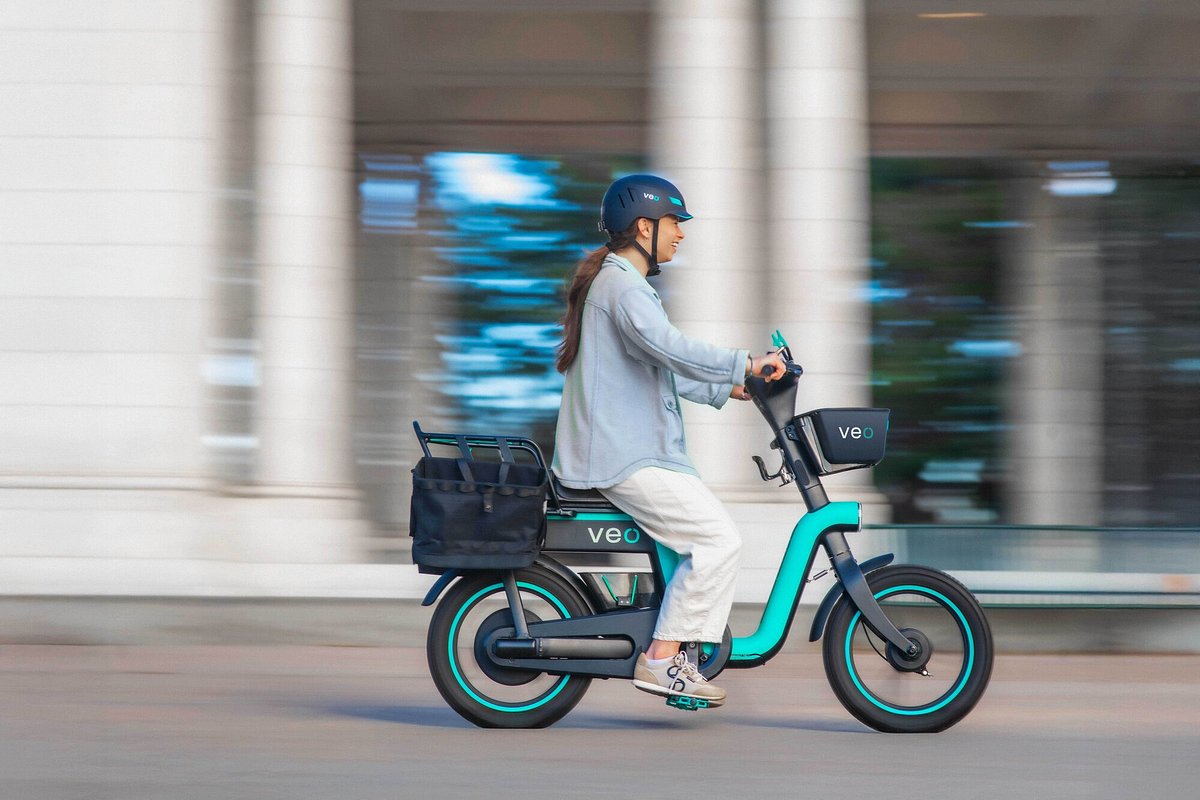
Gas Pains, Scooter Gains: Americans Ditch Cars for Micromobility
SANTA MONICA, CA – March 31, 2026 – As the national average for a gallon of gasoline surges past the $4 mark, a growing number of Americans are leaving their cars parked and opting for a more affordable alternative: shared electric scooters and bikes. A new national survey highlights a significant shift in consumer behavior, directly linking strained household budgets to a boom in micromobility use for daily commutes and errands.
The survey, released by shared mobility provider Veo, found that among its riders who own or have access to a car, a staggering 68% have replaced car trips with scooter or bike rides over the past month specifically due to rising fuel costs. Nearly half of that group, 34%, reported doing so frequently, signaling a durable change rather than a temporary fix. This trend comes as AAA data confirms the national average price for regular gasoline jumped by approximately $1 in a single month, a stark increase that has pushed consumers to a financial tipping point.
“This survey shines a spotlight on what many Americans have known for a long time: Shared scooters and bikes are a more predictable, reliable, and affordable way to get around cities compared to cars,” said Candice Xie, co-founder and CEO of Veo, in the company's press release. “Veo is proud to help communities get where they need to go without worrying about prices at the pump.”
The $4 Tipping Point for Commuters
The research pinpoints the $4-per-gallon price as a key psychological and economic threshold where demand for shared micromobility begins to accelerate meaningfully. With the national average hitting $4.02 by the end of March—a level not seen since August 2022 and a 27% increase from one year ago—the financial incentive to switch has become undeniable for many.
According to the survey, 73% of riders with car access believe shared scooters and bikes are a cheaper mode of transport when gas prices are high. This sentiment is echoed in rider feedback, which paints a clear picture of the economic calculus at play. “The gas where I live is $4.03 per gallon, so it makes much more sense for me to use a scooter instead,” one respondent noted. “Plus I don't have to look for parking.”
This shift is not solely about fuel. Riders consistently cite the compounding costs of driving, including expensive parking and the time lost in traffic, as major factors in their decision. “High gas prices coupled with expensive parking fees have made me consider giving up driving altogether,” another rider stated. For some, the choice has become a lifestyle. “Gas prices are the reason I'm a Veo commuter,” a third respondent said. The trend also sheds light on a broader affordability crisis in transportation; among survey respondents who do not own a car, 52% cited the high expenses of ownership as the primary reason.
An Industry Riding a Wave of Economic Change
While consumers feel the pinch, the micromobility industry is experiencing a significant tailwind. The economic pressures driving individuals away from cars are validating the business model of companies like Veo and propelling the entire sector forward. The global micromobility market, valued at approximately $3.7 billion in 2024, is now projected to soar to $12.3 billion by 2032, according to industry analysts.
This growth is not an anomaly. Data from the North American Bikeshare & Scootershare Association (NABSA) reveals a thriving market, with a record 225 million trips taken in 2023, marking a 31% increase from the previous year. The increasing popularity of e-scooters and e-bikes is a key driver of this expansion.
Veo's own financial performance underscores the sector's potential. The company recently became the first shared micromobility operator in North America to achieve unadjusted EBIT profitability, demonstrating that a focus on disciplined growth and strong city partnerships can create a sustainable business. This profitability suggests that micromobility is moving beyond its venture-capital-fueled startup phase into a mature and financially viable transportation category.
Reshaping Cities, One Ride at a Time
The consumer-led shift toward two-wheeled transport is putting a new focus on the role of urban infrastructure and policy. As more residents choose scooters and bikes, cities are increasingly compelled to adapt their streets to ensure safety and accessibility. Federal initiatives are helping to fuel this transformation. The "Safe Streets for All" program, for example, awarded over $813 million in grants in 2023 to help local governments build out safer pedestrian and cycling infrastructure.
Cities are leveraging this support to redesign their urban landscapes. Dearborn, Michigan, for instance, is using a nearly $25 million grant to convert a five-lane road into a multi-modal corridor with protected bike lanes. These projects are critical, as experts from organizations like the National Association of City Transportation Officials (NACTO) argue that the lack of safe infrastructure remains a primary barrier to wider micromobility adoption. NACTO provides guidelines for cities, recommending the use of permit fees from operators to directly fund the creation of protected lanes and dedicated parking corrals.
However, challenges remain. Ensuring equitable access across all neighborhoods, particularly in lower-income and less dense areas, often requires public subsidies to make service viable for operators. The future of micromobility as a core component of public transit will likely depend on a combination of private innovation and public investment in supportive infrastructure and policies that treat it as an essential service.
The Dual Benefits of a Car-Free Commute
The move away from cars offers a powerful combination of environmental and local economic benefits. Environmentally, the impact hinges on "mode shift"—the more car trips that are replaced, the greater the reduction in carbon emissions. Recent studies show the industry has made significant strides, cutting its carbon impact by over 80% in the last three years through longer-lasting vehicles and renewable energy use in operations. A single shared e-scooter trip can reduce CO2 emissions by an estimated 15 to 42 grams per kilometer compared to a car.
These benefits are quantifiable in cities that actively promote micromobility. Denver's e-bike incentive program, for example, helped put 4,700 new electric bikes on the road in 2022, which is estimated to have cut CO2 emissions by over 2,000 metric tons.
Beyond the green benefits, micromobility is proving to be a boon for local economies. A 2021 study analyzing four cities found that the presence of e-scooter systems generated an estimated $13.8 million in additional sales for local food and beverage businesses over just six months. The convenience of hopping on a scooter appears to encourage spontaneous stops and impulse purchases, driving foot traffic and revenue to small businesses and contributing to more vibrant, people-centric commercial districts.