
- GameStop's revenue decline: 35% drop since 2022
- Collectibles as % of GameStop sales: 29% (Q1 2025)
- 2006 Silent Hill film earnings: $100M worldwide
Experts view this partnership as a strategic test of immersive, retail-driven marketing that could redefine fan engagement for entertainment franchises, though its success hinges on execution and the film's reception.
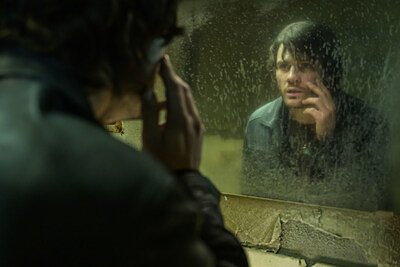
GameStop and Cineverse Test New Marketing Blueprint with Silent Hill
LOS ANGELES, CA – January 14, 2026 – In the foggy landscape of modern entertainment marketing, a new and unusual alliance is taking shape. Cineverse, a next-generation entertainment studio, and the iconic video game retailer GameStop have launched an immersive promotional campaign for the upcoming horror film Return to Silent Hill, set for a nationwide release on January 23. The partnership, which aims to bridge the gap between the retail floor and the movie theater, represents a significant test of a novel strategy that could redefine how entertainment franchises engage with their most dedicated fans.
Based on the critically acclaimed video game SILENT HILL 2, the film's marketing now extends beyond traditional trailers and posters. Since January 7, fans have been encouraged to visit participating GameStop stores, which have been transformed into gateways to the movie's eerie world. There, they can access a "mysterious, digital message from Silent Hill," unlocking exclusive promotional items and perks. This initiative is more than a simple giveaway; it's a calculated move to create what the companies call a "seamless, 360-degree experience" by strategically selecting store locations near theaters screening the film.
A New Blueprint for Fan Engagement
The collaboration is a cornerstone of what Cineverse calls its "fan-first activation strategy." By meeting the audience in a familiar and beloved environment, the studio aims to foster a deeper, more interactive connection. "GameStop is an inimitable leader in gaming retail and we're thrilled to join forces to serve fans where they shop," said Cineverse SVP Marketing Lauren McCarthy in the official announcement. "This is a dream collaboration on many levels, and we're so excited that fans can now hear what is calling them from Silent Hill."
Early reactions from fans on social media have been mixed, painting a picture of a campaign with both promise and practical hiccups. Some participants have shared their excitement over receiving small collectibles like stickers and buttons, embracing the scavenger-hunt feel of the promotion. However, others have reported issues, from store employees being unaware of the event to technical glitches in accessing the digital content. In a moment of fan humor reflecting the game's notoriously unsettling nature, some have wryly dubbed the occasionally frustrating process an "authentic Silent Hill experience."
Despite the minor bumps, the core concept of leveraging a physical retail space for an immersive movie promotion is being closely watched. It represents an attempt to generate organic buzz and reward the franchise's loyalists, turning a simple shopping trip into a narrative experience that builds anticipation for the film's release.
GameStop's Strategic Pivot Beyond Gaming
For GameStop, this partnership is far more than a one-off marketing deal; it is a crucial piece of a much larger strategic transformation. The retailer has been navigating a turbulent market, with its annual revenue dropping over 35% since 2022 amid an industry-wide shift to digital game distribution. In response, the company has embarked on a "radical metamorphosis" to secure its relevance and profitability.
This evolution involves diversifying its business model far beyond the sale of new and used video games. A key growth area has been collectibles - apparel, figures, and other pop culture merchandise - which accounted for nearly 29% of its net sales in the first quarter of 2025. The Return to Silent Hill promotion fits perfectly within this strategy, leveraging its physical store footprint to create unique, experience-driven value that online retailers cannot replicate. While the company has been closing underperforming stores to create a "smaller, profitable network," initiatives like this aim to solidify the remaining locations as essential hubs for gaming and fan culture.
Despite a year-over-year decline in net sales, GameStop recently reported a significant increase in net income, largely attributed to aggressive cost-cutting and interest income from its substantial cash reserves. This partnership with Cineverse represents a proactive step towards building a more sustainable revenue model based on fan engagement, using its brand loyalty and physical presence as key assets in an increasingly digital world.
The Haunting Legacy of Silent Hill
The success of this campaign ultimately hinges on the film itself and the fervent expectations of its built-in audience. Return to Silent Hill adapts the story of SILENT HILL 2, widely considered the pinnacle of the psychological horror game series. The plot follows James Sunderland, played by Jeremy Irvine, who is drawn to the titular town by a letter from his deceased wife, Mary. There, he confronts not only grotesque monsters but also his own fractured psyche.
Adding to the anticipation is the return of key creative talent from the franchise's past. Christophe Gans, who directed the well-regarded 2006 Silent Hill film, is back to direct and co-write. Gans has publicly stated his intention to create a more "psychological" horror experience, aiming for a faithful adaptation of the game's deep emotional narrative rather than a simple "jump scare fest." Also returning is legendary composer Akira Yamaoka, whose haunting scores are synonymous with the series' atmospheric dread. This creative reunion has given many long-time fans a reason to be cautiously optimistic, hoping for a film that honors the source material's nuanced horror.
However, skepticism lingers. The history of video game-to-film adaptations is fraught with disappointments, and the franchise's own 2012 sequel, Silent Hill: Revelation, was poorly received by critics and audiences alike. Fans remain wary of potential changes to the lore and whether a film can truly capture the interactive, personal terror of the game.
High Stakes at the Box Office
When Return to Silent Hill arrives in theaters, it will face a challenging commercial environment. The 2006 film was a solid success, earning over $100 million worldwide, but its 2012 sequel saw a significant drop-off with a $55 million gross. With a 13-year gap and a different distributor in Cineverse, the film's performance is far from guaranteed. Pre-release forecasts are cautious, with some box office analysts predicting a domestic gross under $50 million, especially given a competitive January slate that includes other horror entries.
This commercial uncertainty is precisely why the innovative partnership with GameStop is so critical. It is a strategic move to bypass marketing fatigue and directly mobilize the core fanbase. The campaign is designed to convert deep-seated franchise loyalty into opening-weekend ticket sales. Whether this immersive, retail-driven strategy can cut through the noise and help the film overcome the franchise's uneven cinematic history will be a key question for both Cineverse and the broader entertainment industry. The fog is rolling in, and with it comes a test of a bold new model for bringing beloved digital worlds to the silver screen.