
- 1.9 million tons: Los Angeles generates this amount of food waste annually, the largest component of its landfill-bound garbage.
- 80% reduction: The Mill food recycler reduces the volume and weight of food waste by this percentage, eliminating odors and mess.
- 75% reduction mandate: California's SB 1383 requires a 75% reduction in organic waste disposal by 2025.
Experts agree that this initiative effectively combines culinary innovation, technology, and community engagement to address food waste, offering a scalable model for urban sustainability.
From Scraps to Supper: LA Chefs Fight Food Waste With Tech
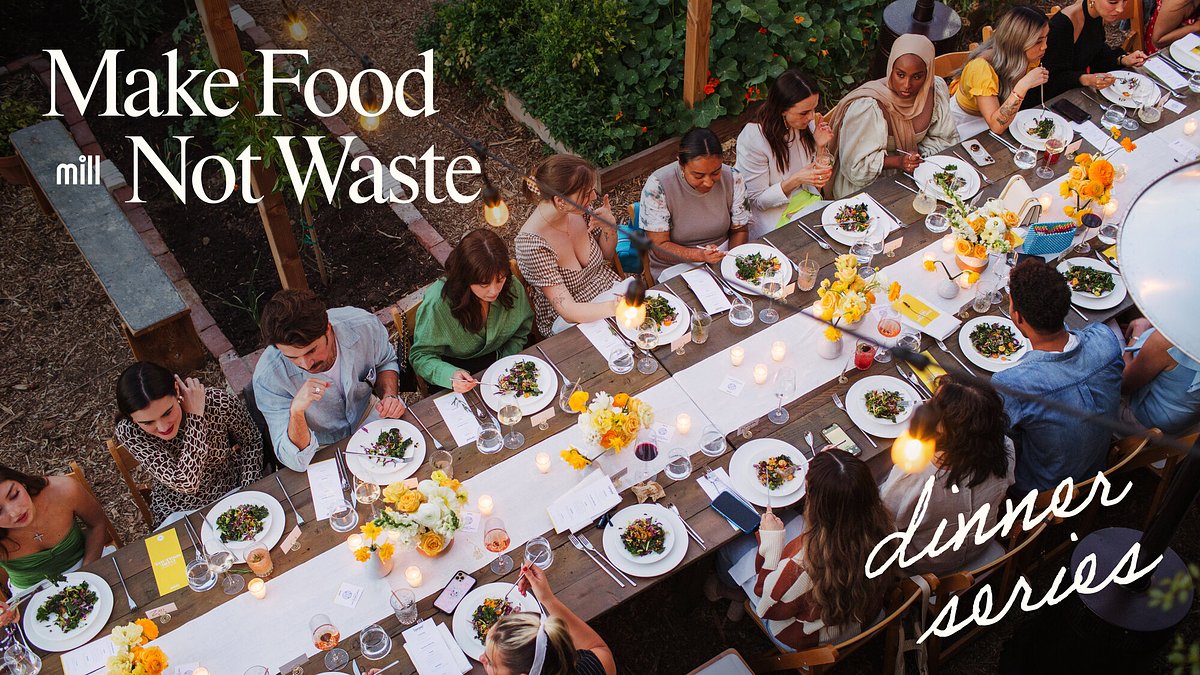
LOS ANGELES, CA – April 02, 2026 – This Earth Month, a unique collaboration is simmering in Los Angeles, blending culinary artistry with cutting-edge technology to combat one of the city's most pressing environmental issues. Mill, a food recycling technology company, is launching its “Make Food Not Waste” pop-up dinner series, an immersive experience that brings together acclaimed chefs from both coasts to prove that the path to a sustainable future can be a delicious one.
For three nights in April, the rustic Little City Farm will transform into an outdoor dining room where guests will enjoy one-of-a-kind, zero-waste menus. The series aims not only to delight palates but also to fundamentally reshape our understanding of food, waste, and the systems that connect them. All proceeds from the events will benefit LA Compost, a non-profit dedicated to building a healthier, more resilient local food system.
Culinary Innovation on a Zero-Waste Plate
The heart of the series lies in its unprecedented chef collaborations. The lineup reads like a who's who of modern, conscientious cooking, pairing East and West Coast talent to create menus built around seasonal, local ingredients and a philosophy of absolute resourcefulness.
The series kicks off on April 14 with Heather Sperling of LA’s beloved Botanica and Telly Justice of NYC’s HAGS, a James Beard Semifinalist. On April 22, the focus shifts to pizza, with Aaron Lindell of Echo Park’s Quarter Sheets joining Mike Fadem of Brooklyn’s Ops. The final dinner on April 23 features a collaboration between Fátima Juárez of Komal, a 2026 James Beard Emerging Chef Finalist, and the duo behind NYC's Wildair, Jeremiah Stone and Fabiàn von Hauske Valtierra.
These chefs are tasked with designing menus that minimize waste at every stage—from root-to-stem vegetable use to creative repurposing of ingredients that might otherwise be discarded. It’s a challenge that pushes culinary creativity to its limits, transforming the concept of sustainability from a limitation into a source of inspiration.
“Sustainability is a concept that has permeated every aspect of Botanica’s operations since we opened our doors in 2017,” said Heather Sperling, Co-Owner and Operator of Botanica. “I'm thrilled to be partnering with Telly Justice and Mill on an evening that brings this philosophy to life, and celebrates the importance and impact of thoughtful practices in our kitchens and beyond.”
The Tech Behind the Taste
At the center of this initiative is the Mill food recycler, a sleek kitchen appliance born from the minds of former Nest executives Matt Rogers and Harry Tannenbaum. Founded in 2020, Mill aims to intercept food scraps before they ever reach a landfill. The device, which can be purchased for $999 or used via a monthly subscription, dehydrates and grinds kitchen waste—from chicken bones to citrus rinds—into dry, nutrient-rich “food grounds.”
This process is distinct from traditional composting. It reduces the volume and weight of food waste by about 80%, eliminating odors and the mess associated with typical compost pails. While competitors like Lomi and FoodCycler offer similar countertop devices that create a pre-compost material, Mill differentiates itself with a unique circularity program. Subscribers can ship their food grounds back to the company, where they are transformed into a safe and nutritious ingredient for chicken feed, a process approved by the FDA.
“Food is the great connector – it brings us together and connects us to the planet we share,” said Harry Tannenbaum, Co-Founder and President of Mill. “We’re partnering with some of the most creative chefs from both coasts to create a community-driven dining experience that brings this idea to life.”
From Plates to Progress: Tackling LA's Mountain of Food Waste
The “Make Food Not Waste” series arrives at a critical moment for Los Angeles. The county generates an estimated 1.9 million tons of food waste annually, the single largest component of its landfill-bound garbage. As this organic material decomposes in landfills, it releases methane, a greenhouse gas over 20 times more potent than carbon dioxide, accelerating climate change.
California's landmark Senate Bill 1383 mandates a 75% reduction in organic waste disposal by 2025, forcing municipalities to rethink waste management. In response, Los Angeles launched its “OrganicsLA” program, requiring residents to place food scraps in their green yard waste bins. While a vital step, the program faces challenges with public education and participation.
This is where the partnership between Mill and LA Compost becomes particularly powerful. LA Compost operates a decentralized network of over 30 community hubs, diverting millions of pounds of organic material from landfills each year and turning it into valuable compost for local gardens and farms. The $125-per-person ticket price for the dinner series will be donated entirely to LA Compost, directly funding this essential grassroots infrastructure.
“Composting is one of the most impactful actions individuals can take to support the environment,” said Ryan Jackson, Executive Director of LA Compost. “This Earth Month, we’re excited to highlight the ease and benefits of composting alongside our partners, building momentum around a shared vision: a future where food is never wasted.”
Cultivating Community Beyond the Dinner Table
The impact of the initiative is designed to extend far beyond the three exclusive dinners. Attendees will have the chance to explore Little City Farm, seeing firsthand how the Mill system operates and how the resulting food grounds can enrich soil in gardens and chicken coops. It’s an educational experience designed to make the abstract concept of a circular food system tangible.
Furthermore, Mill and LA Compost will be extending their outreach to the broader community by appearing at select Los Angeles farmers' markets throughout the season. These appearances will provide practical advice and demonstrations on food recycling and composting, empowering residents to participate in waste reduction efforts in their own homes.
By uniting high-end dining, innovative technology, and community-level activism, the “Make Food Not Waste” series offers a compelling model for urban sustainability. It demonstrates that meaningful environmental action can begin in the kitchen, transforming the daily act of discarding food into a powerful opportunity to nourish the planet.