
- 86 million: Amount invested by California in its Farm to School Incubator Grant Program since 2021
- 80%: Percentage of California school districts now participating in farm-to-school activities
- 77 participants: School nutrition professionals from 25 districts who joined the Ranch-to-Tray tours
Experts agree that California's Ranch-to-Tray initiative and farm-to-school programs are successfully bridging gaps between local agriculture and school nutrition, despite logistical challenges, by improving meal quality, student health, and community support for local farmers.
From Ranch to Cafeteria: California Forges School Lunch Links
ROCKLIN, CA – March 25, 2026 – Last week, the familiar clatter of trays in the Oakdale Joint Unified School District’s central kitchen was replaced by the sound of bus doors opening onto the rolling hills of California cattle country. School nutrition professionals from across the state stepped out of their kitchens and onto the ranches, trading stainless steel for open pastures in a novel effort to shorten the distance between the state’s beef producers and its students.
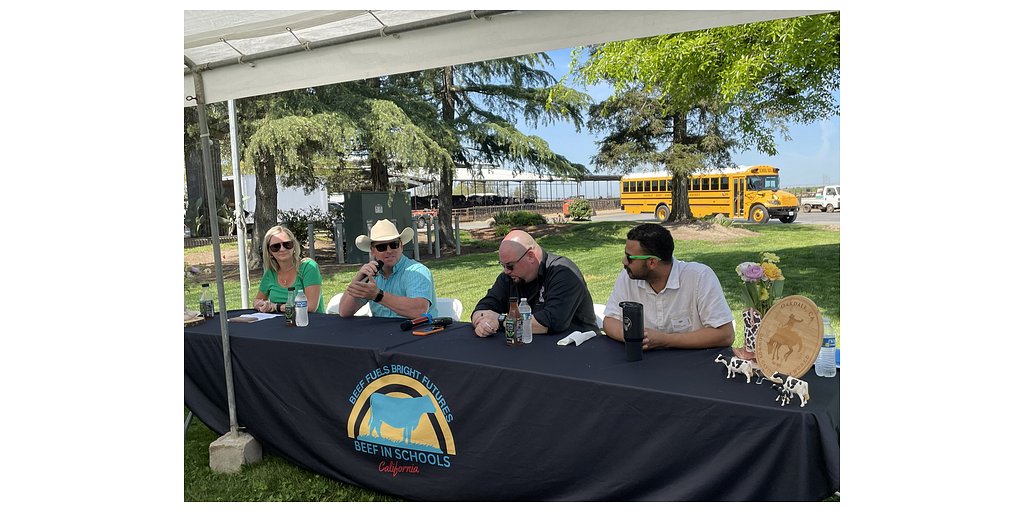
The “Ranch-to-Tray” tours, organized by the California Beef Council (CBC), brought together 77 school food service staff from 25 districts with the farmers and ranchers who raise the state’s cattle. The two-day event was designed to demystify the beef supply chain and foster direct relationships, a critical step as more schools seek to incorporate fresh, locally sourced foods into their meal programs.
“School nutrition staff are a big part of kids’ education because nutrition plays such an important role in supporting their learning, growth, and development,” said Kori Dover, a registered dietitian and Director of Food and Nutrition Outreach for the CBC. As schools increasingly look to local sourcing, she noted, they face practical hurdles. “We want to make that pathway more visible, practical, and connected to real-world applications.”
A Growing Appetite for Local School Meals
The Ranch-to-Tray initiative is not happening in a vacuum. It represents a tangible step within California’s massive and rapidly expanding farm-to-school movement. Bolstered by significant state investment, these programs are reshaping school cafeterias and local economies. Since 2021, the state has poured over $86 million into its Farm to School Incubator Grant Program, directly supporting 163 school districts and educational entities—including the state’s five largest—in their efforts to purchase food from California producers.
This push has yielded impressive results. Recent data shows that nearly 80% of California school districts now participate in farm-to-school activities, with the majority actively serving local foods for lunch and breakfast. The implementation of the state's Universal Meals Program in 2022 further amplified demand, creating a stable, large-scale market for regional farmers. While often associated with produce, the movement is increasingly encompassing proteins like beef, driven by a desire to provide nutrient-dense meals and support a wider array of local agriculture.
However, success brings its own challenges. Districts, especially smaller and rural ones, often struggle with complex procurement regulations, limited kitchen infrastructure for scratch cooking, and the logistical puzzle of sourcing sufficient volume from local producers. The tours aim to address these issues head-on.
Navigating the Path from Pasture to Plate
The first day of the tour took attendees to the Hoekstra and Ardis family farms, offering a firsthand look at daily cattle management and the symbiotic relationship between dairy and beef production. The experience was designed to build understanding and trust, highlighting animal care practices and their direct link to food quality.
This connection was made edible during a lunch featuring smoked brisket stew, with beef supplied by Ardis Cattle Company. The host, Oakdale Joint Unified School District (OJUSD), already has a direct purchasing relationship with the company, providing a real-world model of success. “Building direct relationships with local producers helps us serve high-quality meals while also supporting our local community,” said Jason Beach, Director of Café Services for OJUSD. His sentiment was mirrored by rancher Ross Ardis, who noted, “It’s exciting to be part of what local kids are eating, especially knowing our own son was one of them, and it’s a way for us to invest in our community.”
Day two shifted from the pasture to the processing facility, with a visit to Chico State University’s Meats Lab. Here, attendees learned about beef fabrication, food safety, and how whole-animal cuts are transformed for foodservice use. This technical knowledge is crucial for school nutrition directors who must balance budgets, meet nutritional standards, and manage a complex supply chain. The demonstration directly addressed the practical hurdles of moving from large, national distributors to smaller, local suppliers.
Support for navigating these hurdles is available. “There are resources and funding opportunities available to help schools incorporate more regional and local foods,” explained Michael Ackley-Grady of the California Department of Food and Agriculture’s (CDFA) Farm to School Network, who spoke to the group about the state’s commitment to easing the process for both districts and producers.
Beef on the Menu: A Nutritional and Community Boost
Beyond logistics and economics, the push for local beef is rooted in student nutrition. Beef is a powerful source of high-quality protein, heme iron, zinc, and B vitamins—nutrients critical for cognitive function and physical development in school-aged children. As health experts note, school meals are often the most nutritious meals some children receive, making the quality of ingredients paramount.
Local sourcing also enhances the dining experience. Deanna Mertle, Food Service Director for the Columbia Elementary School District, prepared ground beef tacos for the Chico State lunch, noting the superior quality of the local product. “We don’t need to use much seasoning on our taco meat because the fresh ground beef has a rich flavor on its own, and our students really enjoy it,” she said.
This improved student acceptance can lead to reduced plate waste and greater participation in meal programs. Furthermore, knowing their food comes from a local farm transforms a meal into a lesson in agriculture, economics, and community. It forges a connection that extends beyond the cafeteria, giving students a greater appreciation for where their food comes from.
Sustainability in the Balance
The conversation around beef inevitably includes its environmental footprint. Livestock, particularly cattle, are a significant source of methane emissions, a potent greenhouse gas. In California, dairy and livestock operations account for over half of the state’s methane output, a challenge the state is actively addressing through regulations aimed at manure management and emissions reduction.
Simultaneously, California’s ranchers are part of the environmental solution. Many participate in the state’s Healthy Soils Program and use grazing practices that reduce wildfire fuel loads, manage landscapes, and conserve vast tracts of open rangeland that provide critical habitat. The U.S. beef production system is also among the most efficient in the world, producing more meat with a lower carbon footprint per pound compared to the global average. The Ranch-to-Tray tours provided a platform for producers to share this side of the story, discussing their role as stewards of the land.
By fostering direct dialogue, the program allows for a more nuanced understanding of modern agriculture, moving beyond simplistic narratives to explore the complex realities of producing food in a way that is economically viable, socially responsible, and environmentally conscious. “Networking between schools and beef producers is especially valuable,” Dover concluded. “It helps connect students to nutrient-dense protein sources, like beef, in school meals while strengthening communities across California.”