
- 34% of Indian River County's population is aged 65+ with a median age around 55.
- St. Lucie County's 65+ population grew by nearly 60% between 2010 and 2022, now making up almost a quarter of its residents.
- Trua Senior Living Locators launched in 2019 and began expanding its franchise model in 2023.
Experts in senior care would likely conclude that specialized guidance services like Trua are crucial for navigating Florida's complex senior living landscape, particularly in aging communities like the Treasure Coast, where understanding facility licensure and future care needs can prevent disruptive relocations during health crises.
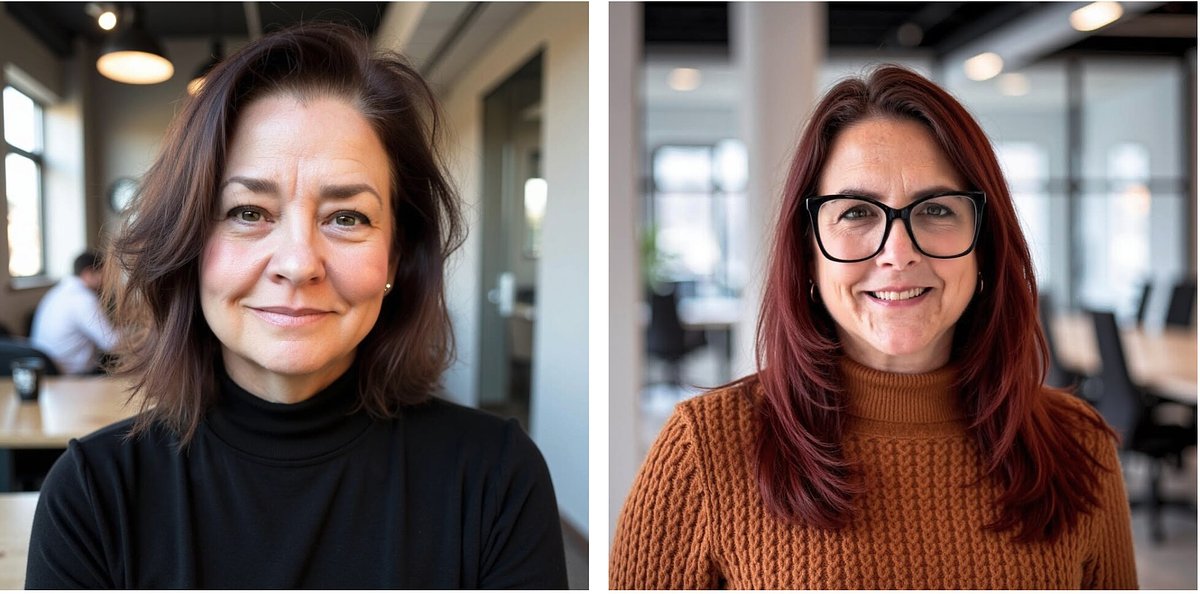
From Personal Crisis to Community Care: A New Guide for Treasure Coast Seniors
PALM CITY, FL – March 19, 2026 – For many families, the journey into senior care is a sudden and bewildering plunge into a world of unfamiliar terms, complex choices, and profound emotional weight. It’s a path that Mary Kay McGann and Stephanie Itkin know intimately, and one they are now dedicated to illuminating for others with the launch of their new franchise, Trua Senior Living Locators of the Treasure Coast.
Their new venture, which officially opened its doors this week, aims to provide a deeply personalized and compassionate guidance service for families navigating the often-overwhelming process of finding the right senior living community. But for the new owners, this is more than just a business—it’s a mission born from personal hardship and a desire to ensure no other family feels as lost as they once did.
A Mission Forged in Personal Experience
The impetus behind their new career path began just over a year ago. "When Stephanie's father was diagnosed with dementia, we quickly learned that not all senior living communities are the same," McGann and Itkin shared in a joint statement. This firsthand encounter with the senior care system revealed a maze of options with critical but often obscure differences.
The most challenging lesson came when they realized their initial choice of community was not equipped for his changing condition. "We didn't fully understand how differences in licensure could affect his evolving medical needs," they explained. "After a hospitalization, we faced the difficult reality of relocating him to a community better equipped to support him."
That painful, disruptive experience of moving a vulnerable loved one during a health crisis left a lasting mark. After he passed away, their grief solidified into a powerful resolve. "We knew no family should have to navigate that process alone," they said. Their search for a meaningful way to act on this conviction led them to Trua, a Cincinnati-based franchise founded in 2019. Its mission—to guide families with empathy and expert support—resonated deeply, prompting them to bring the service to their own community.
Navigating Florida's Complex Senior Care Landscape
The challenge the owners faced is a common one in Florida, where the senior living industry is vast but highly regulated. The phrase "differences in licensure" points to a critical detail that can have immense consequences for residents and their families. In Florida, the Agency for Health Care Administration (AHCA) issues different types of licenses to Assisted Living Facilities (ALFs) that dictate the level of care they can provide.
A facility with a Standard License can offer basic support, but has strict limitations on the medical services it can administer. As a resident's health declines—a common trajectory for those with progressive conditions like dementia—they may require more intensive support. This is where specialty licenses become vital.
Facilities can obtain an Extended Congregate Care (ECC) or a Limited Nursing Services (LNS) license, which allows them to provide a higher level of care, including more complex nursing tasks. Without these specific licenses, a facility is legally obligated to discharge a resident whose needs have surpassed what they are permitted to provide. This often happens after a hospitalization, forcing families into a frantic search for a new home at the most stressful possible time. Trua’s approach focuses on preemptively matching a senior's potential future needs with a facility's specific licensure, aiming to find a place where they can comfortably and safely age in place.
Addressing a Growing Need on the Treasure Coast
The launch of this service is particularly timely for the Treasure Coast, a region comprising Martin, St. Lucie, and Indian River counties that has long been a popular destination for retirees. The demographics paint a clear picture of a community with a significant and growing need for senior support services.
In Indian River County, the median age hovers around 55, with more than 34% of the population aged 65 and over. St. Lucie County has seen its 65+ population swell by nearly 60% between 2010 and 2022, now making up almost a quarter of its residents. This aging population creates a high demand for senior living options, from independent living to memory care.
While the region is home to numerous placement services, home care agencies, and non-profits like the Council on Aging, the sheer volume of choices can be paralyzing. The arrival of a service that combines a systematic, software-supported approach with a deeply empathetic, hands-on methodology aims to fill a crucial gap for families seeking clarity and confidence.
The Business of Compassionate Guidance
Trua Senior Living Locators operates on a franchise model that began expanding in 2023. It offers a lower-overhead entry into the booming senior care industry by focusing on consultation rather than facility operation. The parent company leverages proprietary software and vetting protocols developed by its founder, a physical therapist with deep experience in geriatric care, to streamline the matching process.
For McGann and Itkin, their extensive backgrounds in Human Resources provided the ideal foundation for this work. Throughout their careers, they supported individuals through sensitive and transitional life moments, honing their abilities to listen, communicate with compassion, and solve complex problems. These skills are directly transferable to the delicate conversations required when a family is considering senior care.
As they embark on their first year, their focus is twofold: providing direct support to families and weaving themselves into the fabric of the local healthcare community. "We are committed to ensuring families in our community have a trusted resource to turn to," they stated. "Our focus is providing clarity, guidance, and compassionate support, while building strong relationships with social workers, healthcare providers, and community organizations." By fostering these partnerships, they hope to create a more seamless referral network that helps families feel supported long before they reach a crisis point, ensuring smoother transitions and greater peace of mind.