
- 3x loan application volume: New cloud-native platform processed three times the volume of the old system in its first month.
- 90%+ collection rate: High recovery rate maintained even during economic turmoil.
- 84% affected by cost-of-living crisis: Survey data showing financial strain among South African households.
Experts would likely conclude that Wonga SA's technological transformation and responsible lending practices represent a significant shift in financial inclusion, though its long-term impact on systemic financial health remains to be seen.
From Payder Lender to Tech Titan: Wonga SA's Responsible Revolution
CAPE TOWN, SOUTH AFRICA – June 15, 2026
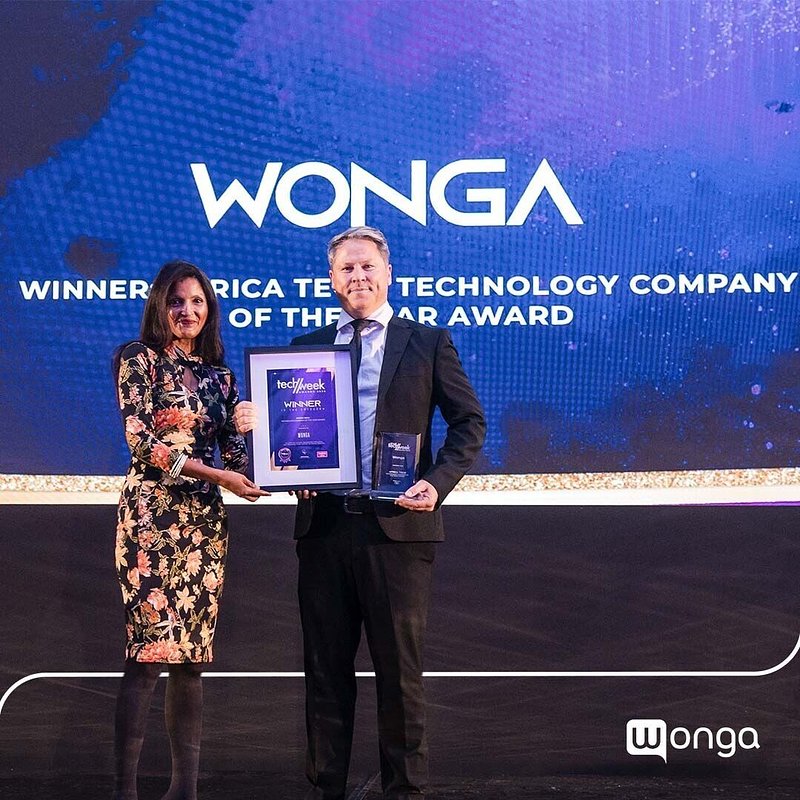
When a short-term lender wins a national technology award, it’s worth paying attention. When it’s the first in its category ever to do so, it signals a fundamental shift. Wonga South Africa was just named Technology Company of the Year at the 2026 Sentech Africa Tech Week Awards, a title that moves the company far beyond the narrow confines of financial services and into the broader conversation about digital transformation. This latest accolade, following their 2025 win for FinTech Innovation, isn't just a validation of their technology; it's a recognition of a strategy that is rewriting the rules of credit access in a nation where it is desperately needed.
For years, the Wonga name was synonymous with the controversy surrounding high-cost, short-term credit. But the South African arm of the business has spent the last decade on a deliberate, and now award-winning, path of reinvention. The story of how they rebuilt their entire operation from the ground up offers a compelling blueprint for how technology can be leveraged not just for profit, but for purpose.
A Decade of Digital Reinvention
The turning point came in 2019 with a management buyout that severed the South African entity from its global parent. This move empowered the new leadership to chart a completely different course. Their first, and most critical, decision was to scrap the entire legacy technology stack, a system originally built in 2007 and ill-suited for the modern digital landscape. In its place, they engineered a cloud-native platform built on a micro-services architecture.
This wasn't a simple upgrade; it was a complete overhaul. The results were immediate and dramatic. According to CEO Brett Van Aswegen, the new platform processed three times the personal loan application volume of the old system in its first month of operation. But the goal was never just about volume. As Van Aswegen has described it, the ambition is to move beyond the traditional definition of a short-term lender and position Wonga as a financial inclusion business that issues responsible loans. The new technology was the essential enabler of that vision, allowing for faster iteration on credit risk models, near-instant application decisions, and ultimately, better outcomes for customers—all factors cited by the Sentech award judges.
The Algorithm for Inclusion
At the heart of Wonga South Africa’s transformation is its sophisticated use of alternative data and machine learning. In South Africa, the challenge of financial exclusion is immense. An estimated 40% of the adult population operates outside the formal credit system, often not by choice, but because they lack the documented financial history that traditional banks require. This creates a structural Catch-22: you can't get credit without a credit history, and you can't build a history without access to credit.
Wonga's system is designed to break this cycle. The company’s bespoke risk models look beyond conventional credit bureau data, incorporating a wider array of information to build a more holistic profile of an applicant. These alternative data points include mobile transaction patterns, utility payment behavior, and employment information. By analyzing these indicators of financial responsibility, the company's in-house machine learning algorithms can assess creditworthiness for individuals who would otherwise be invisible to mainstream lenders.
This is the practical application of financial inclusion. It’s a system that extends a crucial first rung on the credit ladder to millions of underserved South Africans, allowing them to build a financial identity and potentially transition to traditional banking services over time. It’s a high-tech solution to a deeply human problem, and it's what has earned the company its growing reputation in a market historically associated with predatory practices.
Engineering Trust in a Controversial Market
Building a responsible lending business in the short-term credit space requires a disciplined, transparent approach. Wonga operates under the strict supervision of the National Credit Regulator (NCR), adhering to regulations on interest rates and fees. More importantly, the company has embedded responsible practices into its business model. Affordability assessments are paramount, and the company’s disciplined approach is reflected in a collection rate that has remained above 90%, even through the economic turmoil of the pandemic. This focus on sustainable lending stands in stark contrast to the estimated 40,000 unregulated 'mashonisa' lenders operating in the country's informal economy.
Transparency is another cornerstone of their strategy. Borrowers are shown the total cost of credit upfront, with flexible repayment terms that allow for early settlement without penalties. This data-driven approach to risk allows for more dynamic pricing, but the company's commitment to responsible lending ensures that it remains within a framework designed to prevent, rather than encourage, a spiral of debt.
From Lender to Thought Leader
Perhaps the most telling aspect of Wonga South Africa's evolution is its investment in consumer research. The company has become a key source of data on the financial health of South African households. A recent survey of nearly 4,500 adults, for instance, painted a stark picture of the cost-of-living crisis: 84% of respondents cited soaring food and grocery costs, and 55% reported being unable to save any money each month. The research also flagged a clear marker of debt spiral risk, finding that loan repayments consume an average of 51% of take-home pay for those earning under R2,500 per month.
This body of research—covering everything from side hustles to holiday spending—is made freely available to journalists and policy researchers, and is now regularly cited in mainstream media coverage. As Chief Marketing Officer James Williams has noted, the program is designed to give households a clearer view of their finances and to inform the broader public conversation about consumer credit policy. This strategic move elevates Wonga from a mere service provider to a thought leader, using its unique vantage point to illuminate the financial pressures facing ordinary citizens and contributing to a more informed national discourse.