
- 340,000 college credits facilitated by Securus Technologies in 2025
- 150,000 workforce training participants supported last year
- 300,000 job applications submitted from prisons in Texas and Florida
- 43% reduction in recidivism for participants in prison education programs (RAND Corporation study)
Experts agree that correctional education significantly reduces recidivism and offers economic benefits, but caution that for-profit involvement in prison tech raises ethical concerns about exploitation and surveillance.
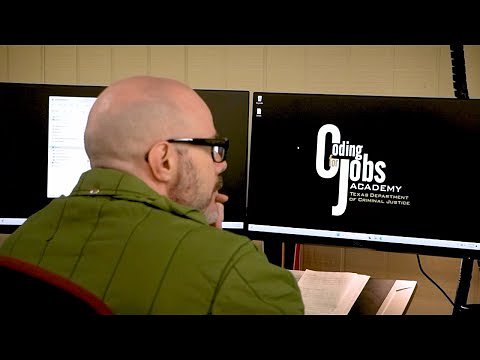
From Cells to Careers: Prison Tech's High-Stakes Workforce Gamble
PLANO, Texas – April 01, 2026 – A bold new initiative is underway to transform American correctional facilities from places of punishment into pipelines of skilled labor. Securus Technologies, a dominant force in the prison technology industry, has announced a sweeping program aimed at tackling the nation's persistent labor shortages by equipping more than one million incarcerated individuals with the tools to train for and secure jobs before they are even released.
At the heart of the initiative are corrections-grade computer tablets, which the company is deploying to provide continuous access to education, vocational training, and career planning from the first day of an individual's sentence. The company, a subsidiary of Aventiv Technologies, reports that its platforms facilitated over 340,000 college credits and supported 150,000 workforce training participants last year alone. Through a partnership with the career development platform Workbay, the program has already seen nearly 300,000 job applications submitted from inside prisons in Texas and Florida.
"Successful reentry starts at reception, not proximity to release," said Stephanie Anderson, Chief Human Resource Officer at Securus, in a press release. "Secure technology allows correctional systems to scale education and workforce training in ways that weren't previously possible."
The initiative arrives at a critical juncture. The United States faces a projected shortfall of more than five million skilled workers by 2032, a gap driven by an aging workforce, slowing population growth, and a mismatch between available jobs and worker skills. This program posits that a vast, untapped talent pool resides within the nation's justice system, ready to be trained and deployed. But as Securus positions itself as a key part of the solution, its long and controversial history raises profound questions about the intersection of profit, rehabilitation, and justice.
The Promise of a Second Chance
The premise of Securus's program is built on a foundation of well-established research. For decades, studies have confirmed the transformative power of correctional education. A landmark meta-analysis by the RAND Corporation found that individuals who participate in prison education programs are 43% less likely to recidivate. The study also concluded that for every dollar invested in these programs, taxpayers save four to five dollars in reduced incarceration costs.
Proponents argue that technology is the key to scaling these proven benefits. By delivering GED preparation, digital literacy, and career-focused coursework through tablets, correctional facilities can overcome the limitations of physical classroom space and staffing shortages. Securus has forged partnerships with 24 colleges, including institutions that offer federally approved, Pell Grant-funded programs, to deliver this content directly to individuals in their cells. This continuous digital connection, they argue, is essential for preparing people for a world that has moved online.
The collaboration with Workbay aims to bridge the gap from learning to earning. The platform allows users to build resumes, explore career paths with localized wage data, and apply for jobs with "second-chance" employers before release. "Access changes outcomes," stated Mary Hayes, CEO of Workbay. "When individuals can start planning their careers early, building skills, confidence, and connections while still inside, it fundamentally shifts their reentry trajectory."
Initial data from the rollout in Texas, where the program expanded to 102 correctional units in its first month, shows high demand. The press release claims participants who secure employment through these initiatives earn average salaries of approximately $40,000, promoting family stability and contributing to local economies. These figures paint a compelling picture of a win-win scenario: businesses get needed workers, communities become safer through reduced recidivism, and formerly incarcerated individuals get a genuine opportunity to rebuild their lives.
A Shadow of Controversy
Despite the program's promising narrative, Securus Technologies operates under a cloud of deep-seated distrust from civil rights organizations and prison reform advocates. The company, along with its primary competitor ViaPath (formerly GTL), has long been criticized for business practices that critics say exploit incarcerated individuals and their families. For years, Securus was infamous for charging exorbitant rates for phone calls—a practice that advocacy groups labeled as predatory price-gouging that pushed one in three families with an incarcerated loved one into debt.
A significant portion of the company's revenue historically stemmed from "site commissions," or kickbacks, paid to correctional facilities for exclusive contracts, creating a financial incentive for jails and prisons to keep communication costs high. While the company has recently announced price reductions amid regulatory pressure and public outcry, its past actions have left a legacy of skepticism.
The controversies extend beyond pricing. In 2015, a massive data breach exposed over 70 million phone records managed by Securus, including what the ACLU described at the time as potentially thousands of illegally recorded, privileged calls between attorneys and their clients. The company has since settled multiple lawsuits related to the breach. In 2018, it was revealed that Securus's location-tracking services were being used to pinpoint the location of nearly any cell phone in the country, often without a warrant.
This history looms large over its new workforce development initiative. Critics question whether a for-profit entity with this track record can be trusted to manage the rehabilitation and data of a vulnerable population. The concern is that "carceral technologies," even when framed as beneficial, can become new tools for surveillance and profit extraction, creating what some call "digital prisons."
The Future of Correctional Tech
Securus is not the only player in this burgeoning market. The reinstatement of Pell Grant eligibility for incarcerated students has fueled a growing ecosystem of edtech providers. Non-profits like Edovo offer vast educational libraries on tablets, often with a commitment to free access, using a "learn-to-earn" model to incentivize engagement. The Last Mile, another non-profit, focuses specifically on teaching high-level coding skills and has achieved a near-zero recidivism rate among its graduates by creating direct pathways to tech industry jobs.
These alternatives highlight the central tension in Securus's approach. While the company's scale and existing infrastructure—a result of its dominance in the lucrative prison telecommunications market—give it an unparalleled ability to deploy programs quickly, its for-profit model remains a point of contention.
As Securus and Aventiv, its parent company owned by private equity firm Platinum Equity, navigate significant financial debt, this pivot toward workforce development can be seen as both a strategic business evolution and an effort at image rehabilitation. The ultimate success of this ambitious plan will be measured not only by the number of job applications submitted or tablets deployed, but by its tangible impact on long-term employment, wage growth, and recidivism. For the millions of individuals cycling through the American justice system, the question is whether this digital bridge leads to genuine economic freedom or simply paves a new, more sophisticated road of corporate control.