
- 4 million: Pets vaccinated through Petco Love's 'Vaccinated and Loved' initiative since 2021.
- 500 pets: Vaccinated in a single day at a Jacksonville clinic.
- 4,000 partners: Local organizations nationwide participating in the program.
Experts in animal welfare and veterinary medicine agree that Petco Love's initiative is a critical lifeline for families facing economic hardship, effectively reducing preventable diseases in pets and alleviating strain on shelters.
Four Million Shots of Hope: How Free Vaccines Are Saving America's Pets
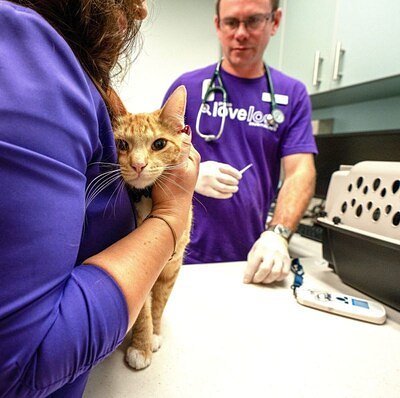
SAN ANTONIO, TX – March 04, 2026 – For Florida couple Robin and Clint, the relief was palpable. As their cat, Ojaris, received a simple vaccination, he became a national symbol—the four millionth pet to be protected through Petco Love's 'Vaccinated and Loved' initiative. The milestone, celebrated at a bustling free clinic hosted with the Jacksonville Humane Society, marks a pivotal achievement in a quiet public health battle being waged in communities across the country.
"It's a relief because it can get very expensive when you have multiple cats or dogs to get them all vaccinated," said Robin, whose three cats all received care at the event. "Something like this is beneficial to us. We appreciate Petco Love's program, it's very helpful."
This single moment of relief for one family is magnified four million times over, representing a massive effort by the national nonprofit to dismantle the financial barriers that prevent countless pets from receiving life-saving preventative care. Since its launch in 2021, the initiative has become a critical lifeline for families facing economic hardship, ensuring that a lack of funds doesn't equate to a lack of love or protection for their animal companions.
A National Initiative Tackling a Local Crisis
The need for such a program is stark. Across the United States, veterinary experts and organizations like the American Veterinary Medical Association (AVMA) have consistently identified cost as a primary obstacle to adequate pet care. For many families, an unexpected vet bill can be financially devastating, and even the routine costs of vaccinations can be prohibitive. This economic vulnerability creates a dangerous gap in public health, leaving a significant population of pets unvaccinated and susceptible to highly contagious and often fatal diseases.
Deadly illnesses like parvovirus and distemper in dogs, and panleukopenia in cats, remain a persistent threat, particularly in underserved communities with limited access to affordable veterinary services. An outbreak can spread rapidly, leading to immense suffering for pets and heartbreaking emotional and financial tolls for their owners. Shelters often bear the secondary burden, taking in sick animals that owners are forced to surrender.
Petco Love's model directly confronts this challenge by empowering a vast network of local organizations. The nonprofit distributes free vaccines to approximately 4,000 animal welfare partners nationwide—from large humane societies to smaller, community-based rescues. These partners, who possess the local knowledge and trust of their communities, then host free clinics like the one in Jacksonville, which vaccinated nearly 500 pets in a single day. This decentralized, partnership-based approach allows the program to achieve a national scale while remaining deeply rooted in local needs.
"Vaccinations play a critical role in helping keep our beloved pets healthy and happy," noted Dr. Angela Silva, Petco Love Board Member and Chief Veterinarian at Petco, who was present for the milestone. "With each and every vaccine we administer for free through our Vaccinated and Loved campaign, we're enabling more smiles and special memories for pet families nationwide — while showing the power of community."
Beyond the Needle: A Gateway to Lifelong Health
While the immediate goal is disease prevention, the program's vision extends far beyond a single injection. Leaders in the animal welfare sector view these clinics as a crucial entry point into the broader system of veterinary care—a concept Petco Love has championed as a core tenet of the initiative.
"For nearly half of the pet parents we surveyed at free clinics powered by Petco Love, these events are how they make sure their pets get vaccinated," explained Petco Love President Chelsea Staley. "For families who haven't yet established a veterinary care routine due to access barriers, free vaccine clinics are often the very first step they take—where they first connect with trusted veterinary guidance."
This initial, positive interaction can be transformative. By removing the financial barrier and providing a welcoming environment, the clinics demystify the veterinary process and build trust. At these events, pet owners not only receive the free vaccine but also gain access to educational resources, information about low-cost spay/neuter services, and referrals for ongoing care. For many, it is the first time they have had a substantive conversation with an animal health professional.
This 'gateway' effect is a strategic approach to public health. By engaging pet owners early and positively, the initiative aims to foster a culture of proactive, preventative care that lasts a lifetime. The long-term goal is to transition families from relying on emergency interventions to establishing a consistent relationship with a veterinarian, leading to healthier pets, more informed owners, and a reduction in the number of animals surrendered to shelters due to preventable or treatable medical conditions.
The Ripple Effect of Preventative Care
The economic and social value of widespread vaccination extends throughout the community. The cost of treating a single case of parvovirus can easily exceed thousands of dollars—a catastrophic expense for most families. By preventing the disease with a vaccine that costs the owner nothing, the program saves not only lives but also immense financial and emotional distress.
This preventative model also alleviates the strain on animal shelters and municipal resources. Shelters can dedicate more of their limited budgets to adoption programs and other essential services when they are not overwhelmed by intakes of animals suffering from preventable diseases. Healthier pets are more adoptable, and keeping pets healthy in their existing homes is the most effective way to reduce shelter populations.
While other national and local organizations, such as the ASPCA and countless regional humane societies, also run vital low-cost care programs, Petco Love's 'Vaccinated and Loved' initiative stands out for its sheer scale and its dedicated focus on a partnership-driven distribution model. By supplying the vaccines, the organization empowers thousands of local groups to do what they do best: serve their communities directly.
As spring approaches, a time when the risk of exposure to these diseases traditionally increases, the importance of such initiatives becomes even more pronounced. The four millionth shot administered to Ojaris the cat is not just a number; it is a testament to a powerful idea—that a small act of prevention, when multiplied by millions, can create a healthier, more humane world for pets and the people who love them.