
- $10 million loan facility secured by Everli to fuel growth ahead of its planned Nasdaq debut via SPAC merger in early 2026.
- $180 million pre-money equity valuation assigned to Everli through its merger with Melar Acquisition Corp I.
- European online grocery market projected to grow from $66 billion in 2024 to $440 billion by 2033, with Italy's market expanding at a 14% CAGR over the next decade.
Experts view Everli's strategic financing and SPAC merger as a high-stakes move to solidify its leadership in Italy's competitive e-grocery sector, though success will hinge on its ability to achieve profitability and sustain technological innovation amid fierce competition.
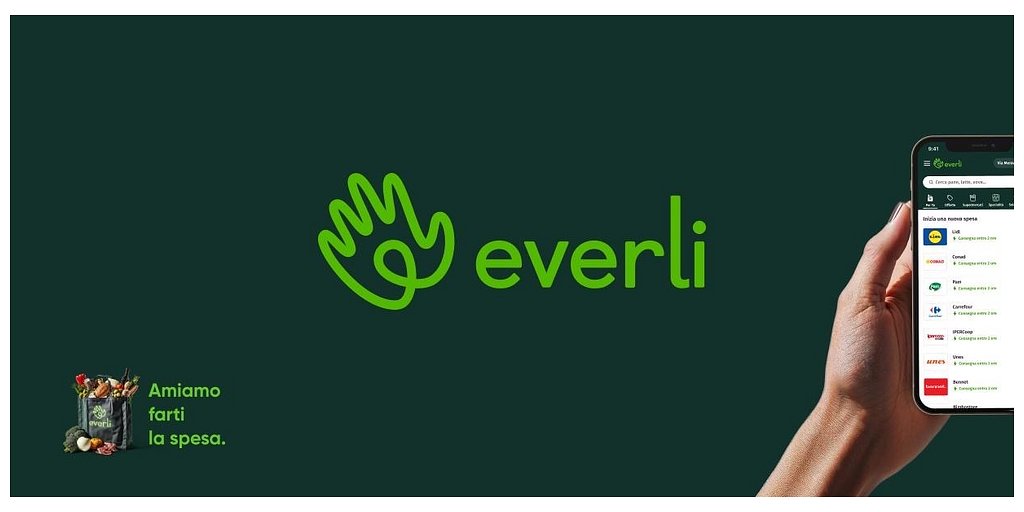
Everli's SPAC Gamble: Fueling Italy's E-Grocery Race
MILAN, Italy – December 10, 2025 – In a strategic move signaling both ambition and the high-stakes nature of the modern grocery wars, Italian e-grocery leader Everli S.p.A. has secured a $10 million loan facility. This infusion of capital is not just another funding round; it's a calculated step in its journey toward a planned public debut on Nasdaq in early 2026 through a merger with the Special Purpose Acquisition Company (SPAC), Melar Acquisition Corp I.
The financing arrives as Everli navigates the turbulent but rapidly expanding European online grocery market, a sector defined by fierce competition, thin margins, and a relentless race for technological supremacy. As Salvatore Palella, CEO of Everli Global, Inc., noted, the company's "business continues to show strong momentum," citing growing order volumes and improving unit economics. This $10 million in growth capital is earmarked for domestic expansion, technology investments, and reinforcing the crucial retailer partnerships that form the backbone of its business model. For investors and industry strategists, Everli's journey offers a compelling case study in digital risk, innovation, and the future of retail.
The SPAC Pathway and Pre-IPO Strategy
Everli’s decision to merge with Melar Acquisition Corp. I, a deal that values the company at a pre-money equity of $180 million, places it among a growing cohort of European tech firms leveraging SPACs as a faster alternative to traditional IPOs. This pathway, while offering speed and market access, is not without its perils, demanding rapid maturation and a clear path to profitability to satisfy public market scrutiny.
The structure of the recent financing—a loan facility rather than a conventional equity round—is particularly telling. By taking on debt, Everli secures vital operational funds to fuel its growth engine without immediately diluting the equity of existing shareholders. This is a classic pre-IPO maneuver designed to enhance the company's valuation ahead of its public listing. The capital allows Everli to double down on its strategic priorities, ensuring it enters the public market from a position of strength, with demonstrable growth metrics and a refined technological platform. This "bridge financing" is a vote of confidence from its SPAC partner, signaling belief in Everli's operational execution and long-term vision before the merger's final closure, which is anticipated in early 2026 pending shareholder and regulatory approvals.
Navigating the Competitive Digital Shelf
Everli's ambitions are set against the backdrop of a European e-grocery market that is both booming and brutal. After a pandemic-fueled surge and a subsequent market correction, the sector is poised for a dramatic resurgence. Projections show the European online grocery market rocketing from approximately $66 billion in 2024 to over $440 billion by 2033. Italy itself is a hotbed of this growth, with its market expected to expand at a compound annual growth rate of nearly 14% over the next decade.
However, this growth attracts giants. While Everli claims a leading position in Italy, it competes in a moderately fragmented market against global behemoths like Amazon.it—the country's largest e-commerce retailer by revenue—and quick-commerce disruptors like Getir. The central challenge for all players remains the daunting economics of the business. Profitability is elusive, crushed by the high operational costs of labor, fuel, and the complex logistics of last-mile delivery. For many, the cost to fulfill an order still outstrips the revenue it generates, a reality that has led to market consolidation and high-profile exits in the quick-commerce space. Success in this arena is not just about capturing market share; it's about architecting a business model that can sustainably deliver convenience without hemorrhaging cash.
Everli's Bet on Partnerships and Technology
This is where Everli's strategy diverges from many of its competitors. Instead of building capital-intensive "dark stores" and managing its own inventory, the company operates an asset-light model built on deep integration with existing retailers. Claiming partnerships with 12 of the 13 top grocery chains in Italy, including heavyweights like Lidl, Carrefour, and Conad, Everli functions as a technology and fulfillment layer for established brick-and-mortar players. This approach allows retailers to launch or scale their online presence without massive upfront investment in infrastructure or staffing.
Technology is the critical enabler of this symbiotic relationship. Everli’s platform is more than just a consumer-facing app; it's a sophisticated logistics engine that integrates directly with retailer inventory systems, allowing for daily updates on product availability and pricing. This ensures a smoother customer experience and higher operational efficiency across the entire order lifecycle. Furthermore, the company leverages its position to offer data analytics and market research services to its Fast-Moving Consumer Goods (FMCG) partners, creating an additional, high-margin revenue stream. The new $10 million loan is set to directly enhance this technological edge, funding AI-driven personalization and further optimizing the complex logistics that define the business.
The Future of Grocery and Digital Risk
Everli's journey toward the public markets encapsulates the broader transformation of the retail industry. The future of grocery is increasingly seen as omnichannel, where the lines between physical and digital shopping blur. Consumers demand convenience, but the economic viability of pure-play delivery models remains under pressure. Models like "click and collect," which offer better economics, are gaining traction, highlighting the need for flexible, integrated strategies.
For Everli, the path forward is laden with both opportunity and significant digital risk. As a public company, it will face relentless pressure to not only grow its user base and order volume but also to demonstrate a clear and sustainable path to profitability. It must continue to innovate its technology to maintain an edge over well-funded competitors and prove that its partnership-centric model is more resilient than capital-heavy alternatives. The company's ability to manage the logistical complexities of a diverse market like Italy, while scaling efficiently, will be the ultimate test of its strategy. How Everli navigates these challenges will provide critical lessons for the entire digital commerce ecosystem on building a resilient and profitable business at the intersection of technology, legacy retail, and evolving consumer expectations.