
- New Route: EVA Air launches nonstop service between Taipei (TPE) and Washington, D.C. (IAD) starting June 26, 2026, operating 4 times a week.
- Network Expansion: EVA Air's North American footprint grows to 10 gateways with a total of 98 weekly flights.
- Economic Impact: The new flight is projected to generate over $61 million in annual economic impact for the U.S. National Capital region.
Experts would likely conclude that EVA Air's new Washington, D.C. route strategically strengthens its dominance in the trans-Pacific market, enhancing connectivity for business, diplomatic, and premium travelers while significantly boosting economic activity in both regions.
EVA Air Bridges Capitals: New D.C. Route Deepens Trans-Pacific Ties
TAIPEI, Taiwan – February 11, 2026 – EVA Air is set to forge a new strategic link across the Pacific, announcing the launch of nonstop service between Taipei's Taoyuan International Airport (TPE) and Washington Dulles International Airport (IAD) starting June 26. The new route, operating four times a week, not only connects two global capitals but also cements the airline's position as the leading carrier between Taiwan and North America.
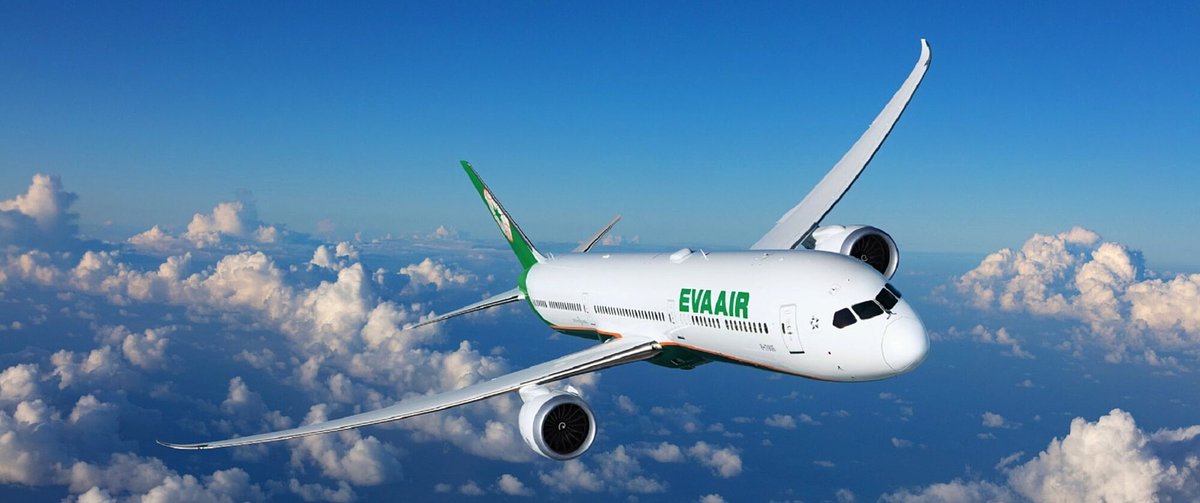
The introduction of the Washington, D.C. service expands EVA Air's North American footprint to ten gateways, increasing its total weekly flights to 98. This move makes the Star Alliance member the airline with the most destinations and the largest flight network from Taiwan to the continent. The route will be serviced by a modern Boeing 787-9 Dreamliner, featuring the debut of the airline's new fourth-generation Premium Economy class.
A Strategic Link for Diplomacy and Commerce
The new route is more than just an addition to a timetable; it represents a significant bridge between the political heart of the United States and the bustling economic hub of Taiwan. Washington, D.C., the seventh-largest metropolitan area in the U.S., is a nexus of international diplomacy, global finance, and cutting-edge research.
"North America has long been a key strategic market for EVA Air," said President Clay Sun in a statement. "We are further expanding our U.S. network with nonstop service to Washington, D.C. This strengthens our presence on the East Coast and allows us to better serve one of the nation's most influential markets, home to the political heart of the U.S. and a high concentration of global enterprises."
The decision to target the U.S. capital reflects a deep understanding of the region's unique demand drivers. The area is home to numerous multinational corporations, powerful non-governmental organizations, and international institutions like the World Bank and International Monetary Fund. This concentration of high-level business and diplomatic activity creates a robust, year-round demand for premium air travel. The region's status as a hub for top-tier academic institutions and a destination for cultural tourism, with its world-renowned Smithsonian museums, further diversifies the passenger profile to include academic and leisure travelers.
Solidifying Trans-Pacific Dominance
EVA Air's expansion comes at a time of heightened competition in the trans-Pacific market. While the airline already commands a dominant position with approximately 50.7% of the scheduled nonstop capacity between Taiwan and the United States, rivals are also aggressively expanding their networks. Competitors like China Airlines and the rapidly growing Starlux Airlines have recently launched new services to U.S. destinations such as Seattle and Phoenix, while U.S.-based carriers like Delta Air Lines have also entered the Taiwan market.
By launching a direct flight to Washington, D.C., EVA Air is not just adding a destination; it is strategically filling a critical gap in the market. Before this announcement, Washington D.C. was the second-largest unserved U.S. market from Taiwan, forcing travelers to endure lengthy layovers in cities like Chicago, San Francisco, or Dallas. The fastest connecting flights took nearly 17 hours. This new nonstop service drastically cuts travel time, offering a significant competitive advantage. This move reinforces the airline's strategy of focusing on premium-heavy routes that cater to government, business, and tech-sector travel, while also leveraging strong cargo demand.
The Economic Ripple Effect and Seamless Connectivity
The benefits of the new route are expected to extend far beyond passenger convenience. The Metropolitan Washington Airports Authority (MWAA) projects that the new flight will generate a substantial economic impact for the U.S. National Capital region.
"This flight is estimated to generate more than $61 million in annual economic impact to the U.S. National Capital region," said Chryssa Westerlund, executive vice president and chief revenue officer of MWAA. "We extend a warm welcome to EVA Air and their new service to Washington Dulles International Airport. This new nonstop flight will significantly reduce existing travel times between Taipei and Washington, D.C."
This economic boost stems from increased tourism, business investment, and the direct and indirect jobs created to support the new service. For travelers, the route's value is magnified by the extensive connectivity it unlocks. From its ten North American gateways—including New York, Los Angeles, and now Washington, D.C.—EVA Air offers a sprawling network. Through its Star Alliance partnerships with carriers like United Airlines and Air Canada, and further cooperation with airlines such as Alaska Airlines and JetBlue, passengers can connect to more than 200 destinations across the Americas. Conversely, North American travelers gain streamlined access to EVA's extensive Asian network via the efficient hub in Taipei, connecting to major cities throughout the continent.
Elevating the Passenger Experience
A key component of EVA Air's strategy is its commitment to a premium passenger experience, a reputation it seeks to enhance with the new D.C. service. The route will be operated by the fuel-efficient Boeing 787-9 Dreamliner, configured in a three-class layout: Royal Laurel Class, Economy Class, and the highly anticipated new fourth-generation Premium Economy Class.
The airline is positioning its new Premium Economy as a significant upgrade, moving the concept from an "upgraded economy" standard to a "business-class-like" experience. The cabin will feature what the airline describes as the industry's largest seat pitch, offering unparalleled comfort on the long-haul journey. This focus on premium comfort is crucial for attracting the high-yield business and discerning leisure travelers that constitute a core part of the D.C. market. The flight schedule is designed for convenience, with flight BR04 departing Taipei at 19:30 and arriving in Washington, D.C. at 22:30 on the same day. The return flight, BR03, departs Washington at 01:50 and arrives in Taipei at 05:45 the following day, allowing for a full day of activities upon arrival and convenient connections to onward destinations in Asia.