
- $40 billion: The size of the dietary supplement industry, highlighting the market potential for cognitive enhancers in esports.
- 2022 study: Found that energy drinks provided no significant cognitive or physical performance improvement over a placebo for elite League of Legends players.
- Early 2025: The start of Dignitas's partnership with The ROOT Brands, demonstrating a long-term vision for player wellness.
Experts would likely conclude that the esports industry is undergoing a strategic shift toward wellness-focused performance optimization, prioritizing cognitive and physiological health over traditional high-sugar, high-stimulant energy drinks.
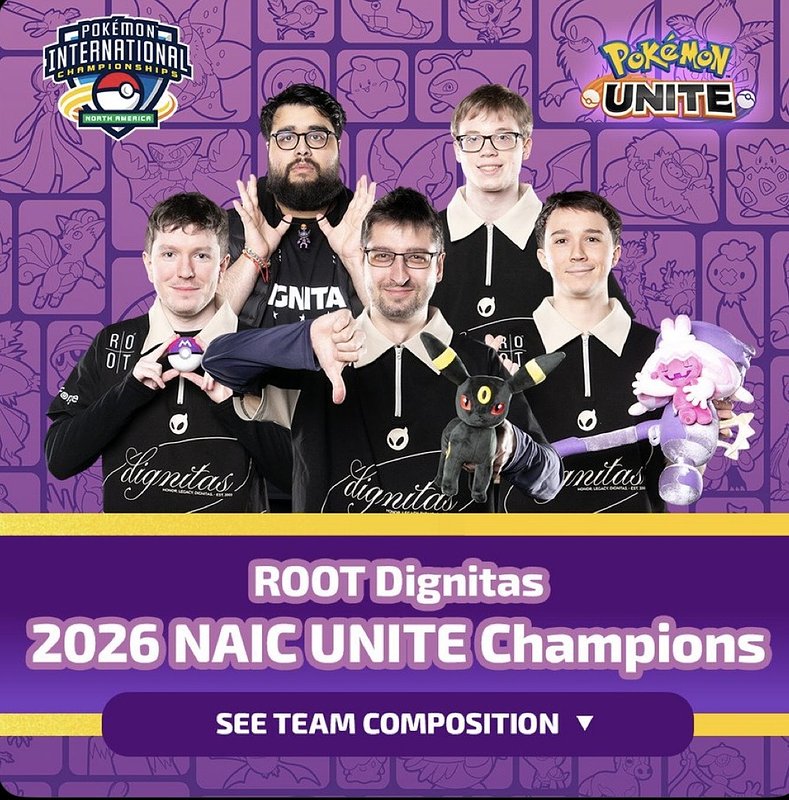
Esports' New Playbook: How 'Clean' Supplements Are Redefining Victory
NEW ORLEANS, LA – June 15, 2026 – When the confetti settled at the Pokémon UNITE North American International Championship, the victory for esports powerhouse Dignitas represented more than just a regional title. It marked a quiet but strategic inflection point in the multi-billion-dollar competitive gaming industry. Their win, powered by a partnership with The ROOT Brands—a company specializing in “cognitive performance” supplements—is the latest and most visible sign that the sector’s long-standing reliance on high-sugar, high-stimulant energy drinks is giving way to a more sophisticated, wellness-focused model of performance optimization.
For years, the stereotype of a professional gamer was fueled by images of marathon sessions backlit by the glow of a monitor and a graveyard of aluminum energy drink cans. Today, that image is being deliberately dismantled. As esports organizations mature into global enterprises, the health and sustainability of their primary assets—the players—have become a critical strategic priority. Dignitas’s championship run, leveraging products designed for mental clarity and sustained focus, offers a compelling case study in how the future of competitive advantage is being built not just on in-game skill, but on a foundation of cognitive and physiological well-being.
The End of the Jitter Era
The symbiotic relationship between gaming and traditional energy drinks has defined a generation of players. It was a simple transaction: in exchange for brand loyalty, players received a jolt of caffeine and sugar to power through long practice grinds and intense matches. Yet, as the stakes have risen, so has the scrutiny of this model. The very side effects once accepted as part of the deal—jitters, anxiety, and the inevitable energy crash—are now viewed as liabilities in a sport where split-second decisions and unwavering focus separate champions from contenders.
A 2022 study on elite League of Legends players, for instance, found that an energy drink provided no significant cognitive or physical performance improvement over a placebo, except in a narrow working memory test. This aligns with a growing sentiment among pro players that the quick-fix boost is often a poor trade-for sustained mental endurance. The physical and mental toll of a professional season is immense, a fact echoed by Dignitas’s own support player, Inder. “Hours of daily practice for months in advance, it takes a big toll on your mental and physical health,” he stated following the win. “That's where Root comes in. Their product line of supplements keeps us perfectly locked in with the sustained energy we need to be the best!”
This sentiment captures the essence of the industry’s evolution. The new playbook prioritizes neuro-optimization over raw stimulation. The goal is no longer a temporary spike in alertness but a stable, high-performance cognitive state. This shift opens the door for a new category of partners like The ROOT Brands, whose value proposition is built on “cleaner” alternatives that promise focus without the crash and long-term wellness over short-term buzz.
The Business of Brainpower
The partnership between Dignitas and The ROOT Brands is a strategically astute move for both parties, illuminating the burgeoning economy of esports wellness. For supplement companies, the global gaming audience represents a massive, digitally native, and highly engaged market. By positioning themselves as partners in performance, they gain an authentic entry point that sidesteps traditional advertising, embedding their products directly into the culture of competitive excellence.
Clayton Thomas, CEO of The ROOT Brands, framed the Dignitas victory as a validation of this strategy. “This victory is about much more than winning a tournament,” he said. “It represents a shift in esports culture. Professional gamers are beginning to realize that peak performance starts with what you put into your body.” This narrative—that smarter inputs lead to better outputs—is a powerful marketing tool, transforming a supplement from a simple commodity into an essential piece of a championship toolkit.
The commercial logic for esports organizations is equally compelling. Aligning with wellness brands enhances their own brand, signaling a commitment to player care that can be a deciding factor in attracting and retaining top-tier talent. It is a form of “de-risking” their human capital. In a landscape where player burnout is a constant threat, investing in cognitive and physical health is not just good ethics; it is sound business. This trend is creating a new competitive arena, with other brands like Graymatter Labs and Buffs by The Gamer Realm also vying for a share of the gamer wellness market.
Since its acquisition by Harris Blitzer Sports & Entertainment, Dignitas has been at the forefront of professionalizing its operations. This partnership, which began in early 2025 with its League of Legends team, demonstrates a long-term vision for building a sustainable high-performance culture, treating its digital athletes with the same level of holistic support expected in traditional sports.
Deconstructing the 'Clean' Claim
As the market for cognitive enhancers grows, so does the need for scrutiny. The ROOT Brands’ flagship product, Zero-In, used by the Dignitas team, contains a blend of ingredients including turmeric, pine bark extract, N-acetyl-L-tyrosine, caffeine, and L-Theanine. Many of these components are individually well-researched; L-Theanine, for example, is widely known for its ability to promote relaxation and focus, often used to smooth out the jittery effects of caffeine. N-acetyl-L-tyrosine is an amino acid linked to cognitive flexibility and performance under stress.
However, as with much of the $40 billion dietary supplement industry, the efficacy of a specific, proprietary blend is harder to verify through independent, peer-reviewed studies. The company states its products undergo rigorous third-party testing, but consumers are often left to rely on brand-provided information and user testimonials. This is where the credibility of the formulator becomes paramount. The ROOT Brands heavily features its chief formulator, Dr. Christina Rahm, a research scientist with a background spanning nanotechnology, nutrition, and pharmaceutical management, including roles at Pfizer and Johnson & Johnson. Her extensive scientific credentials and portfolio of patents lend significant weight to the company’s claims.
Their other highlighted product, Rahm Roast coffee, claims to use a “patent-pending detox solution” to remove toxins and mold, resulting in a cleaner, low-acidity brew. While the process sounds sophisticated, its tangible benefits beyond standard quality control measures remain part of the company’s proprietary knowledge. This dynamic—balancing scientific backing with trade secrets—is typical of the wellness industry and contributes to a healthy dose of consumer skepticism found in online forums, where discussions often debate the line between genuine innovation and “snake oil-ish” marketing.
The Future of the Digital Athlete
The Dignitas victory is not an endpoint but a proof of concept. It demonstrates that a holistic approach to player performance, integrating nutrition and cognitive science, can yield championship-level results. This success will undoubtedly accelerate the trend, pushing more esports organizations to look beyond the keyboard and mouse and invest in the complete well-being of their players.
This evolution mirrors the maturation of traditional sports, where data analytics, nutrition, and sports psychology converged to unlock new levels of human potential. In esports, the playing field is the mind, and the next frontier of competitive advantage lies in optimizing its function. It represents a fundamental re-evaluation of what it takes to win in a world defined by rapid innovation and intense mental strain.
As Dignitas prepares for the World Championship in San Francisco this August, the industry will be watching closely. They will be analyzing not just the team's in-game strategies and execution, but the entire high-performance ecosystem they are building. The outcome will serve as another critical data point in the ongoing experiment to engineer the digital athlete of tomorrow.