
- $70 million: The record-breaking prize pool for the 2025 Esports World Cup (EWC).
- $20 million: The Club Partner Program investment to create a sustainable professional ecosystem.
- 2026: The inaugural Esports Nations Cup (ENC) is set to debut in Riyadh.
Experts view the Esports Nations Cup as a transformative step for esports, leveraging national pride and publisher partnerships to create a sustainable, mainstream global competition.
Esports Goes National: How Publisher Alliances are Building a New World Cup
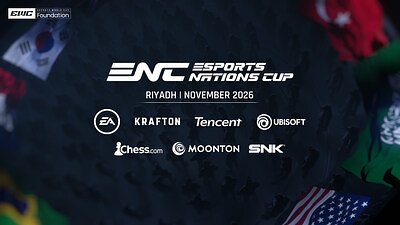
RIYADH, Saudi Arabia – November 25, 2025 – In a move that signals a significant maturation of the global esports landscape, the Esports World Cup Foundation (EWCF) has solidified a powerful coalition of video game publishers for its ambitious new tournament, the Esports Nations Cup (ENC). The recent announcement that Chess.com, MOONTON Games, and SNK will join founding partners like Electronic Arts, Krafton, Tencent, and Ubisoft is more than just an expansion; it's the architectural blueprint for a new competitive paradigm in esports, one built not on club loyalties, but on national pride.
Set to debut in Riyadh in November 2026, the ENC is being positioned as the world's first large-scale, recurring international competition where players represent their home countries. This shift away from the dominant club-based model, exemplified by the EWCF's own annual Esports World Cup (EWC), introduces a powerful emotional and cultural dynamic reminiscent of traditional sporting events like the FIFA World Cup or the Olympics. By creating a dedicated platform for national rivalries, the foundation and its partners are betting they can unlock a new, passionate, and more mainstream audience.
A New Blueprint for Global Competition
The vision for the Esports Nations Cup is one of structure and sustainability. Planned as a biennial event, the tournament aims to provide a dependable, long-term framework that encourages national federations, esports organizations, and governments to invest in developing national team programs. This predictability is a crucial element of business innovation in an industry often characterized by fluctuating tournament schedules and game-specific ecosystems.
The competitive structure itself is being designed for both prestige and inclusivity. A multi-layered qualification model will combine global rankings with regional qualifiers and wildcard entries, ensuring that teams from all major regions—North America, South America, Europe, the Middle East, Africa, Asia, and Oceania—have a pathway to the world stage. This hybrid approach aims to balance the presence of powerhouse esports nations with opportunities for emerging regions to make their mark.
"By partnering closely with publishers, we can make the Esports Nations Cup truly player-centric, and give players the opportunity to represent their country in the games that define their careers," said Ralf Reichert, CEO of the Esports World Cup Foundation, in a recent statement. This player-centric focus, wrapped in the banner of national representation, is the core value proposition the ENC is bringing to the market, promising a stage that feels both “earned for players and real for fans.” After its inaugural event in Riyadh, the tournament will adopt a rotating host model, bringing the spectacle of nation-based esports to different cultures and fanbases worldwide.
The Power of Publisher Partnerships
Beyond the competitive format, the most significant innovation of the ENC lies in its governance and business model. The EWCF has engineered a sophisticated, two-tiered partnership structure that cedes significant control to the owners of the intellectual property: the game publishers. This collaborative approach is a strategic departure from tournament models where third-party organizers have full operational control.
At the top tier are the 'Founding Publishers'—EA, Krafton, Tencent, and Ubisoft. Described as the core partners, they have been involved since the project's inception, co-developing the foundational framework, rules, and overarching structure of the multi-title event. This represents a deep strategic commitment, giving them a powerful voice in shaping the future of international, cross-game competition.
The second tier consists of 'Official Publishers,' a group that now includes Chess.com, MOONTON Games, and SNK. Their role is to work within the established framework to co-design the specific qualification paths and competition formats for their respective titles. This ensures that games are presented with competitive integrity and in a way that feels authentic to their dedicated player communities. This structure cleverly solves a long-standing challenge in multi-title events: how to maintain the unique competitive identity of each game while creating a cohesive and compelling overall broadcast and fan experience. By empowering publishers, the ENC ensures their buy-in and leverages their expertise to create a higher-quality product.
Strategic Plays: Why Top Developers are Buying In
The motivations for this diverse group of publishers to align with the ENC are a case study in modern business strategy. For each partner, the collaboration offers a unique set of benefits beyond simple participation. For MOONTON Games, whose title Mobile Legends: Bang Bang (MLBB) is a cultural phenomenon and de facto national sport in parts of Southeast Asia, the ENC provides a global platform to amplify that existing nationalistic fervor. It's an opportunity to transform a regional powerhouse into a global esports pillar.
For Chess.com, joining the ENC solidifies chess's position as a legitimate and compelling esport, building on its successful inclusion in the 2025 Esports World Cup. The nation-based format is a natural fit for a game with a long history of international, country-versus-country competition. Meanwhile, for Japanese developer SNK, the inclusion of its new fighting game, Fatal Fury: City of the Wolves, is a major strategic push. Placing its title in the ENC lineup alongside established giants provides immense visibility and credibility, accelerating its entry into the top tier of competitive fighting games.
For the founding publishers, the incentive is even greater. By helping design the system from the ground up, they are not just participating in a tournament; they are architecting a new and potentially permanent fixture in the global sports calendar. This deep integration ensures their flagship titles, such as EA Sports FC, PUBG: Battlegrounds, and Tom Clancy's Rainbow Six Siege, remain at the center of the esports world and gives them significant influence over the commercial and competitive evolution of the industry.
Riyadh's Grand Strategy: More Than Just a Game
The establishment of the Esports Nations Cup cannot be viewed in isolation. It is a cornerstone of Saudi Arabia's ambitious 'Vision 2030' plan, a national strategy focused on diversifying its economy away from oil and enhancing its global standing through investments in tourism, entertainment, and technology. The Esports World Cup Foundation, based in Riyadh, is a key vehicle for this strategy. The sheer scale of investment is staggering, highlighted by the EWC's record-breaking $70 million prize pool in 2025 and a $20 million Club Partner Program designed to create a sustainable professional ecosystem.
By launching the ENC in Riyadh, Saudi Arabia is positioning itself as the epicenter of a new movement in global esports. While the event is designed to travel the world in subsequent editions, its origin serves as a powerful statement of intent. The Kingdom is not merely hosting events; it is actively building the institutions and frameworks that will govern the future of competitive gaming. This represents a calculated exercise in soft power, using the universal appeal of gaming to build a modern, forward-looking international image. This publisher-led, nation-based competitive model, backed by immense strategic capital, represents a bold and transformative step for the entire esports ecosystem.