
- 697-kilowatt (kW) system composed of 1,767 solar panels installed at Parkway Club Apartments
- Powers 267-unit residential complex, extending solar benefits to renters
- Stellar Solar has completed over 17,000 installations with an A+ BBB rating
Experts view this project as a strategic business move that aligns with growing ESG criteria, demonstrating how renewable energy can drive value for real estate investors while promoting energy equity.
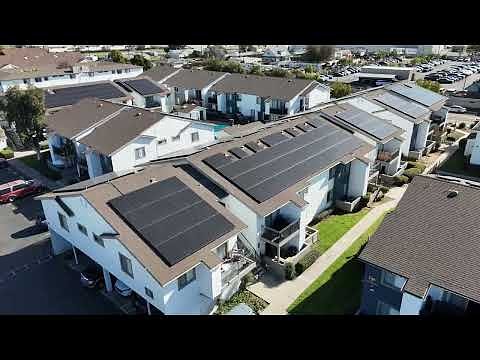
El Cajon Apartments Go Green With Massive Solar Power Installation
SAN DIEGO, CA – April 02, 2026 – Hundreds of renters in El Cajon are now powered by the sun, as Stellar Solar Commercial has completed a major solar energy installation at the Parkway Club Apartments. The project, a significant addition to the region's renewable energy capacity, features a 697-kilowatt (kW) system composed of 1,767 solar panels, now providing clean electricity for the 267-unit residential complex.
The installation marks a key milestone in extending the benefits of solar power beyond traditional homeowners to the multi-family housing sector. This initiative, developed in partnership with Parkway Club's parent company, Bridge Investment Group Holdings, underscores a growing trend where large-scale real estate investors are embracing renewable energy as a core part of their strategy.
Solar Power for Renters: A New Frontier in Green Energy
For decades, the financial and environmental benefits of solar power have been most accessible to single-family homeowners. This project at Parkway Club Apartments represents a significant step toward greater energy equity, allowing tenants to participate in the clean energy transition. By powering common areas and individual units with on-site renewable generation, such installations can help stabilize energy costs and reduce the carbon footprint of an entire community.
Stellar Solar, a company with a 28-year history focused primarily on homeowners through its residential division, views this expansion into the multi-family market as a crucial part of its mission. Brian Grems, the company's founding partner and Vice President of Operations, emphasized the importance of this shift.
"Our residential division has focused exclusively on homeowners for the past 28 years, so the ability to offer the benefits of solar to renters through our commercial multifamily projects is something we are proud to be a part of," Grems stated. He noted that the opportunity was brought to them by Bridge Investment Group Holdings. "With the expansion of the commercial solar industry comes projects like this that can distribute the benefits of solar and battery storage to a wider range of beneficiaries."
This move aligns with a broader societal push for sustainable living options across all housing types. As tenants become more environmentally conscious, properties offering green amenities like solar power and EV charging stations are gaining a competitive edge in the rental market.
The Green Premium: How Solar Drives Value for Real Estate Investors
The decision by Bridge Investment Group Holdings to equip Parkway Club Apartments with a substantial solar array is far from an isolated act of environmental goodwill. It is a calculated business move that reflects a sophisticated understanding of the modern real estate market and the increasing importance of Environmental, Social, and Governance (ESG) criteria for investors.
Bridge Investment Group has established a dedicated strategy, Bridge Renewable Energy (BRE), focused on developing distributed generation solar, battery storage, and EV charging projects across its extensive property portfolio. This initiative aims to transform underutilized roof and parking space into revenue-generating, carbon-reducing assets. By generating their own clean energy, property owners can reduce operational expenses for common areas, offer a hedge against rising utility rates, and potentially provide tenants with electricity at a discount to market rates.
For a publicly-traded firm like Bridge, these projects are also crucial for meeting corporate sustainability goals and appealing to ESG-focused investors. Their annual sustainability reports detail a commitment to increasing efficiency and reducing the carbon footprint of their assets. The Parkway Club installation is a tangible example of this strategy in action, enhancing property value, increasing tenant satisfaction, and delivering on promises made to shareholders.
A Blueprint for Growth: Stellar Solar's Commercial Expansion
With its roots dating back to 1998, Stellar Solar has built a formidable reputation in Southern California and Michigan, completing over 17,000 installations. Consistently voted "Best Solar Company" by readers of the San Diego Union-Tribune and holding an A+ rating with the Better Business Bureau, the Oceanside-based firm has long been a leader in the residential market.
However, its commercial division has been steadily growing its portfolio with high-profile projects for clients like The Salk Institute and Cedars-Sinai Hospital. The Parkway Club project signals a strategic deepening of its focus on the multi-family commercial sector. This segment requires a different skill set than residential installations, involving complex financial modeling, multi-stakeholder coordination, and navigating different regulatory frameworks.
A key differentiator for the company has been its early adoption and leadership in battery storage technology. As one of the first installers to integrate batteries with solar systems, Stellar Solar has maintained a competitive edge, offering clients enhanced energy resilience and a greater return on investment. The ability to store solar energy for use during peak evening hours or power outages is becoming a standard expectation in commercial installations, a trend the company is well-positioned to meet.
Powering Progress: California's Supportive Policy Landscape
The proliferation of large-scale solar projects on multi-family dwellings in California is not happening in a vacuum. It is being actively encouraged and supported by a robust framework of state and federal policies designed to accelerate the transition to renewable energy.
California's Title 24 Building Standards have been a primary driver, with evolving mandates that require solar PV systems on new residential buildings, including low-rise and, more recently, high-rise multi-family structures. These codes are pushing developers to integrate renewable energy from the design phase.
Furthermore, incentive programs have been critical in making the economics of these projects viable. The state's Solar on Multifamily Affordable Housing (SOMAH) program provides significant financial incentives to property owners who install solar on affordable housing complexes, with a requirement that the economic benefits, such as lower utility bills, are passed on to tenants. While previous programs like the Multifamily Affordable Solar Housing (MASH) have concluded, their success paved the way for current initiatives.
At the federal level, the Investment Tax Credit (ITC) allows building owners to deduct a significant percentage of the installation cost from their taxes, dramatically improving the financial return. Together, these local, state, and federal policies create a powerful financial and regulatory tailwind, making investments in projects like the one at Parkway Club Apartments an attractive proposition for property owners and a growth engine for experienced installers.
This convergence of corporate sustainability strategy, advanced solar technology, and supportive public policy is effectively unlocking a new market for clean energy, ensuring that the move toward a greener future includes communities of all types.