
- €60 million: Malta's ELT sector contributed this amount to its economy in 2023.
- 100% pass rate: EF Malta achieved this in Cambridge-accredited exams.
- 84% recovery: Global ELT market reached this percentage of pre-pandemic volume by 2023.
Experts would likely conclude that EF's strategic expansion into Malta and Cape Town reflects a well-researched response to post-pandemic demand for immersive, experience-driven language learning, leveraging resilient markets and purpose-built educational environments.
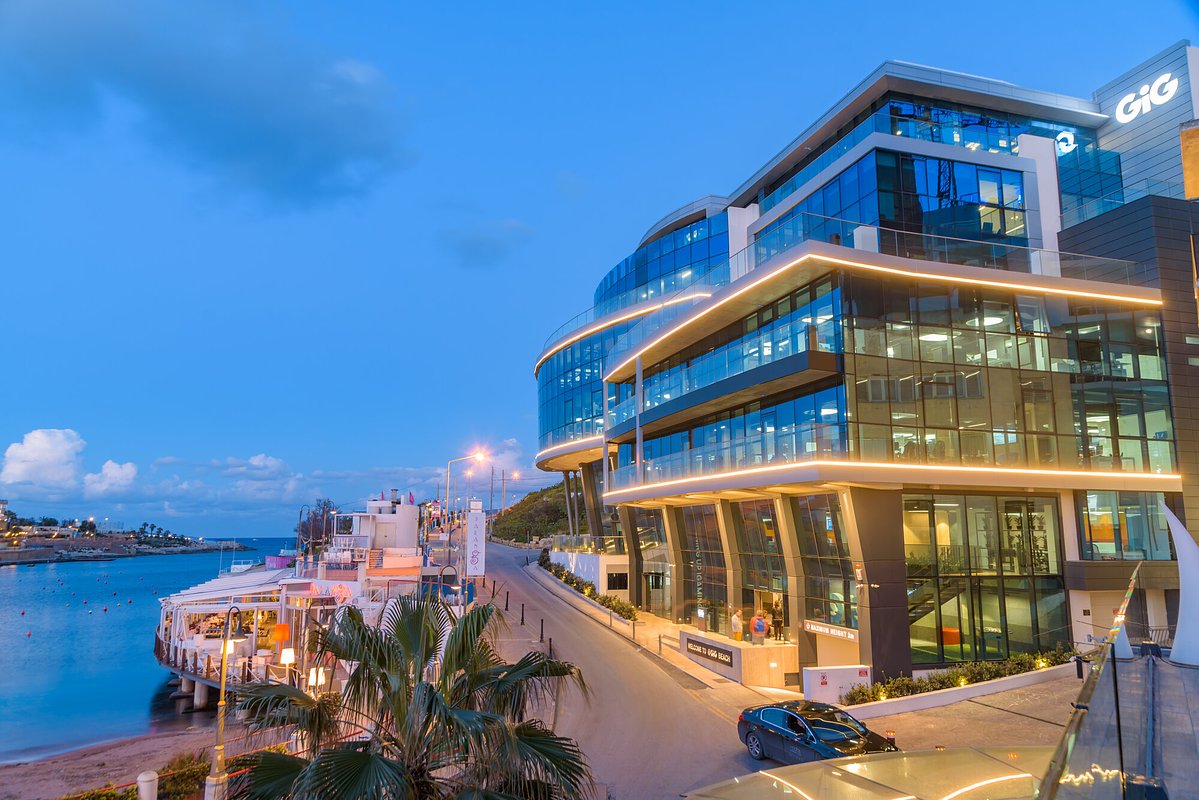
EF Bets Big on Immersive Learning with New Global Campuses
ZURICH, SWITZERLAND – March 12, 2026
Global education leader EF Language Abroad has announced a significant investment in the future of international education, unveiling plans to relocate and expand two major language campuses in Malta and Cape Town. The new, state-of-the-art facilities, set to open in June 2026, represent a bold strategic response to a post-pandemic surge in demand for immersive, destination-led language learning.
This move signals a deeper industry trend, where the line between education and experience is blurring. As students increasingly seek academic progress combined with cultural immersion and quality of life, EF is doubling down on purpose-built environments designed to foster engagement, wellbeing, and a profound connection to the local culture.
A Strategic Play in a Recovering Market
The decision to invest heavily in Malta and Cape Town is rooted in a careful reading of the global English Language Teaching (ELT) market. While the worldwide recovery from the pandemic has been uneven, these two destinations have emerged as standout performers. Industry data from 2023 showed that while the ELT sector across eight major English-speaking countries recovered to 84% of its pre-pandemic volume, both Malta and South Africa demonstrated particularly strong rebounds, nearing or even surpassing 2019 levels.
Malta, in particular, has become a powerhouse in the European ELT market. Its combination of EU membership, affordability, and policies allowing students to work part-time has made it a magnet for learners, especially those from Europe and Latin America. In 2023, the sector contributed an estimated €60 million to the Maltese economy. EF's move capitalizes on this momentum, aiming to capture a larger share of a growing and resilient market.
“Malta has evolved into one of EF’s most important year-round destinations, not just because of its climate, but because students can combine affordability with academic progress and quality of life,” says Carsten Knobloch, Executive Director of EF Malta. The new campus is designed to amplify this appeal.
Cape Town, meanwhile, offers a unique proposition of adventure, cultural richness, and relative affordability. South Africa’s ELT sector has also seen a robust recovery, benefiting from visa-free study options for many nationalities and its appeal as an experience-rich destination. EF's expansion there taps into a demand for learning that extends far beyond the classroom walls.
Designing for a New Era of Learning
At the heart of EF's strategy is a belief that the physical learning environment is a critical component of the educational journey. The new campuses are not merely upgrades; they are ground-up reconsiderations of how physical space can enhance learning, foster community, and deepen cultural immersion. This philosophy aligns with broader trends in educational architecture that prioritize flexibility, wellbeing, and a connection to the local environment.
“Our starting point for every campus is the destination itself,” explains Fiona Kennedy, Global President of Architecture & Design at EF. “These details help create environments that students can contextually connect to.”
In Malta, this philosophy translates into a new waterfront flagship at St. George’s Bay. Opening June 15, the campus will consolidate the school, a student residence, and the exclusive EF Beach Club into a single, integrated hub. Spanning four floors, the building will feature modern classrooms, an auditorium, and expansive outdoor terraces with sea views. The interior design is deliberately evocative of the island’s heritage, using a palette of light-filled spaces and warm, limestone-toned materials that reflect Malta's Mediterranean lifestyle and architecture.
In Cape Town, the school is moving from a heritage building to a new, purpose-built campus in the iconic V&A Waterfront. This strategic relocation places students in one of the city's most vibrant and secure tourism precincts. The new school increases classroom capacity and equips them with interactive smartboards and locally sourced furniture, reinforcing the connection to South African craftsmanship. The move is designed to more seamlessly integrate EF’s renowned experience-led programs—from safaris to volunteering with penguin conservation—into the daily student experience.
Impact and Immersion in Host Cities
The expansion is poised to have a significant economic and cultural impact on both host cities. In Malta, the ELT industry is already a vital pillar of the tourism economy, and EF's flagship investment will further cement the island's status as a premier educational destination. The influx of students supports local businesses, creates jobs, and fosters a multicultural atmosphere.
Similarly, the new Cape Town campus at the V&A Waterfront will channel student spending directly into a key economic hub. Beyond the economic benefits, EF is focused on positive community integration. In Cape Town, this is achieved through established volunteering partnerships with organizations like SANCCOB, for African penguin rehabilitation, and iKhaya le Themba, an after-school care program. These programs allow students to apply their English skills in meaningful, real-world contexts.
“Cape Town has always stood out as a destination where English learning is closely tied to experience and purpose,” notes Kim Baxen, School Director at EF Cape Town. “Being based at the V&A Waterfront allows us to connect learning even more closely with the city, its culture and its people.”
Both schools are also serious academic centers. EF Malta is a Cambridge-accredited exam center with a recent 100 percent pass rate, while EF Cape Town offers preparation for both Cambridge and IELTS exams, alongside specialized programs in South African culture.
Ultimately, this dual expansion reflects a broader evolution in what students expect from education abroad. “The focus is always on the student experience,” concludes Jacob Toren, CEO of EF Language Abroad. “By investing in environments where students feel inspired, supported and connected, we’re helping them get more out of their time abroad, both inside and outside the classroom.” This student-centric vision, combining academic rigor with transformative life experiences, is what EF is betting on to define the future of language learning.