
- Limited-Edition Release: Duracell's AA batteries feature Lionel Messi's iconic left leg tattoos, a first for the brand.
- Market Strategy: The campaign targets the $7 billion global primary battery market, aiming to differentiate Duracell through celebrity appeal.
- Production Innovation: The batteries showcase intricate, multi-toned designs printed on curved, metallic surfaces, marking a manufacturing breakthrough.
Experts would likely conclude that Duracell's Messi collaboration represents a bold, high-stakes experiment in blending celebrity culture with utilitarian products, with potential to redefine brand engagement in the consumer goods sector.
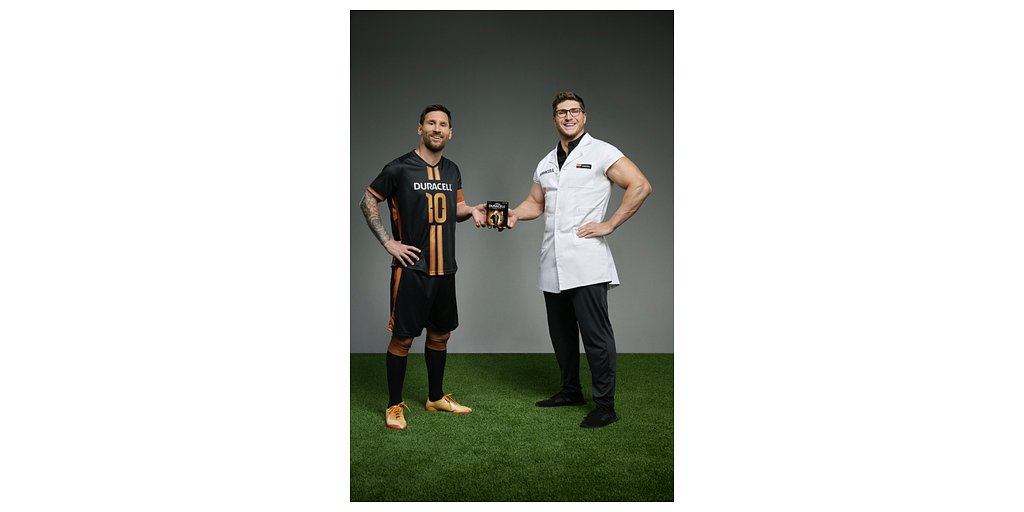
Duracell's Messi Gambit: Powering Fandom or Just a Battery?
WEST PALM BEACH, FL – June 09, 2026 – In a move that blurs the line between a household staple and a collector's artifact, Duracell has launched a product that few could have anticipated: AA batteries adorned with the tattoos from Lionel Messi's iconic left leg. The initiative, part of a global "Messi Reboot" campaign, marks a historic first for the Berkshire Hathaway-owned company, which has never before featured a celebrity's likeness directly on its battery cells. As these limited-edition packs roll out across major North American retailers, they raise a fundamental question about the future of consumer goods: can the power of celebrity transform the most utilitarian of objects into something more?
The campaign's timing is no coincidence. Launched just ahead of this summer's premier global soccer tournament, the collaboration is a calculated effort to tap into the immense cultural energy surrounding the sport and its most celebrated player. By aligning its brand with Messi—a figure synonymous with precision, endurance, and power—Duracell is doing more than just selling batteries; it is attempting to sell a piece of the legend himself. The press release frames it as allowing fans to "power their game-day experience with a unique piece of soccer history," a bold claim for a disposable power source.
A New Playbook in Consumer Branding
For decades, the marketing for disposable batteries has been remarkably consistent, focused on longevity, reliability, and the occasional pink bunny. Duracell's strategy represents a significant departure from this product-centric approach. By making the battery cell itself a canvas for celebrity art, the company is shifting the value proposition from pure function to cultural relevance and collectibility. This isn't just new packaging; it's a reimagining of the product's core identity.
"We wanted to give fans a unique way to power their passion for the soccer tournament this summer," said Javier Hernández, Global CMO at Duracell, in the official announcement. "Bringing Messi’s iconic left leg tattoos onto our batteries is a first in brand history." This "first" is a critical component of the strategy. It creates novelty and a sense of participating in a landmark moment for the brand. The batteries, engineered with Duracell’s "PowerBoost™ Ingredients," are thus framed as mirroring Messi's own on-field energy, a narrative that cleverly intertwines product performance with the athlete's persona.
This campaign appears to be an evolution of Duracell's previous marketing efforts. A prior campaign featuring NFL star Tom Brady, titled "Built Different," also drew parallels between elite athletic performance and battery power. However, the Messi partnership, orchestrated by creative agency VaynerMedia, is described by company insiders as a broader "platform." According to one marketing executive, the investment is designed to be amortized over a longer period and across more media impressions than a one-off event, with ads running on linear TV, streaming services, and social media throughout the summer's soccer broadcasts. This suggests a deep, strategic commitment to leveraging Messi's global appeal for sustained brand impact, rather than a short-term promotional spike.
From Power Source to Collector's Item
The most intriguing aspect of the Duracell x Messi collaboration is its direct appeal to fan culture. In an era where digital collectibles and limited-edition merchandise dominate fan engagement, Duracell is making a bid to enter that space with a decidedly analog product. The company explicitly calls the batteries a "premium collector's item," a designation usually reserved for trading cards, jerseys, or signed memorabilia.
This transformation is fueled by the unique design and a supporting sweepstakes. The national promotion offers fans who purchase the batteries a chance to win premium soccer gear and merchandise autographed by Messi. This incentive structure is a well-worn path for driving sales, but here it serves a dual purpose: it not only encourages purchase but also reinforces the idea that the batteries themselves are part of a larger ecosystem of valuable, Messi-related artifacts. The batteries become the entry ticket to a deeper level of fandom.
By focusing on Messi's tattoos—a personal and artistic element of his public image—Duracell creates an intimate connection that a simple logo or portrait could not. It taps into the narrative of his "legendary left leg," the source of his "unmatched strikes and agility." This level of detail is designed to resonate with die-hard fans who appreciate the nuances of his career and persona. It turns a trip to Walmart or a click on Amazon into an act of fan expression, fundamentally changing the consumer's relationship with a product they would otherwise purchase without a second thought.
Charging Ahead in a Competitive Market
Behind the creative marketing lies a sharp business strategy. The global primary battery market, valued at nearly $7 billion in 2024, is a mature and highly competitive space dominated by a few key players, including Duracell, Energizer, and Panasonic. In such a market, differentiation is paramount. While competitors have focused on innovations like Energizer's 100% recyclable packaging, Duracell is betting on the power of a cultural icon to secure and expand its market leadership.
Acquired by Warren Buffett's Berkshire Hathaway in 2016, Duracell has the financial backing to make significant, long-term marketing investments. The partnership with Messi, whose lifetime deal with Adidas is reportedly worth millions annually and who has recently launched his own branded products, is undoubtedly a substantial financial commitment. However, it's a strategic one aimed at reinforcing Duracell's position as the top brand in North America and capturing the attention of a global, soccer-loving demographic that transcends traditional consumer segments.
The campaign's multi-platform rollout across English and Spanish-language media ensures it reaches a broad and diverse audience during a peak cultural moment. By transforming a low-engagement purchase into an event, Duracell aims to not only boost short-term sales but also to build lasting brand equity. The question for competitors is how to respond to a move that sidesteps traditional performance-based marketing in favor of an emotional, culture-driven appeal.
The Art and Science of the Cell
The technical feat of printing intricate, multi-toned designs onto the curved, metallic surface of a battery should not be overlooked. While the company has not released specific details on the manufacturing process, achieving this "first in brand history" represents a notable innovation in production. It required overcoming the challenges of applying detailed artwork to a small, cylindrical object while ensuring durability and quality, bridging the gap between mass manufacturing and bespoke design.
This production capability opens up a new frontier for product personalization and branding in the consumer goods space. If a battery can become a canvas, what other utilitarian objects could be similarly transformed? This innovation is not just a gimmick; it is a demonstration of manufacturing agility that allows the physical product to become a dynamic part of the marketing narrative. By embedding the artistry directly onto the cell, Duracell ensures the branding lives on long after the packaging has been discarded, serving as a constant, subtle reminder of the Messi partnership every time a device is powered up. The copper-top battery is no longer just a symbol of power, but a miniature billboard for a global icon.