
- $67 million: Amount collected by a handful of carriers in demurrage and detention fees in 2022, highlighting the financial impact of poor drayage visibility.
- 10-15%: Increase in total shipping costs due to accessorial charges from delays.
- $1.1 billion to $1.3 billion: Annual reduction in truck driver pay due to detention time at facilities.
Experts agree that the lack of visibility in drayage operations is a critical inefficiency in the supply chain, leading to significant financial losses and operational delays, and that technological solutions are essential to mitigate these issues.
Drayage Visibility: The Supply Chain's Billion-Dollar Blind Spot
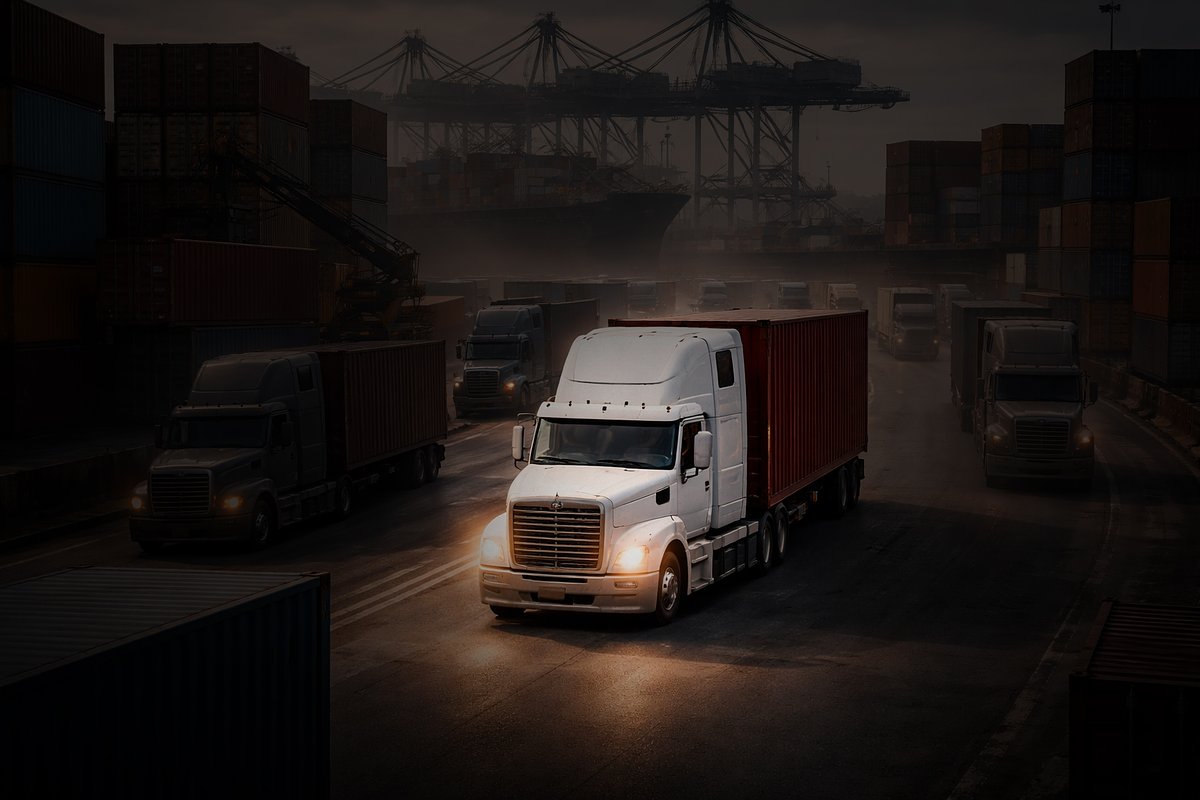
ITASCA, IL – March 20, 2026 – In the intricate web of the global supply chain, a critical and increasingly costly blind spot is emerging in the short-haul journey of freight containers. Known as drayage—the movement of goods between ports, rail yards, and warehouses—this essential link is plagued by a lack of visibility that is costing U.S. businesses billions in unexpected fees, operational delays, and frustrated customers. As pressures from global tariffs, port congestion, and soaring e-commerce demands intensify, what was once a manageable operational hurdle has become a significant threat to profitability and reliability.
At the heart of the issue is a fundamental lack of transparency. Many organizations still operate with fragmented information, relying on a patchwork of emails, phone calls, and disparate carrier portals to track containers. This makes it nearly impossible to get a clear, real-time picture of a container's journey from the moment it leaves a vessel to its arrival at a distribution center. This information gap is where costs and inefficiencies multiply, often hidden from view until the invoice arrives.
The High Cost of Inefficiency
The financial toll of poor drayage visibility is staggering, primarily driven by accessorial charges that penalize delays. Demurrage fees, levied by ocean carriers for containers that overstay their welcome at a port, and detention fees, charged for holding onto carrier equipment too long, have become a major drain on resources. Industry data reveals these charges can inflate total shipping costs by as much as 10-15%. In 2022, the Federal Maritime Commission reported that just a handful of carriers collected over $67 million in such fees, a figure that underscores the scale of the problem.
For shippers, these fees can quickly spiral out of control, with daily charges averaging between $100 and $150 per container in North America. When significant delays occur, a single container can accumulate thousands of dollars in penalties. The problem is compounded by operational bottlenecks. Without real-time data on container availability or terminal congestion, drayage carriers often face missed appointments and long wait times, disrupting schedules and slowing the entire supply chain.
This inefficiency also directly impacts the trucking workforce. The U.S. Department of Transportation has estimated that time spent detained at facilities reduces truck driver pay by $1.1 billion to $1.3 billion annually across the truckload sector. According to one industry survey, nearly 80% of U.S. truckload carriers reported losing at least one full load per month due to excessive detention time, lost revenue that inevitably translates into higher rates for shippers.
E-Commerce and the Reverse Logistics Strain
The explosive growth of e-commerce has thrown gasoline on the fire, transforming customer expectations and adding immense complexity to logistics networks. Consumers now demand faster, more predictable deliveries, putting unprecedented pressure on the first and last miles of the supply chain where drayage operates. However, the impact extends beyond outbound shipments.
A defining characteristic of online retail is a significantly higher rate of returns. While brick-and-mortar stores see single-digit return rates, estimates for e-commerce purchases range from 17% to as high as 30%, with categories like fashion approaching 60%. In 2024, U.S. consumers returned nearly $890 billion worth of merchandise, creating a massive flow of goods moving in the opposite direction.
This flood of "reverse logistics" places an additional burden on an already strained drayage infrastructure. Every returned item must be transported, processed, and restocked, consuming valuable capacity at ports, rail hubs, and warehouses. The need for coordinated, transparent operations becomes even more acute, as businesses must now manage the chaotic inflow of returns alongside the relentless outflow of new orders.
From Chaos to Clarity: The Tech-Driven Response
In response to this mounting pressure, a wave of technological innovation is sweeping through the logistics industry, aimed at bringing clarity to the chaos of drayage. The market for drayage management solutions is growing, with companies from established providers to tech startups offering platforms designed to provide the end-to-end visibility that shippers and carriers desperately need. These solutions leverage real-time tracking, predictive analytics, and process automation to transform drayage from a reactive, unpredictable process into a streamlined, data-driven operation.
Logistics providers like Freight Management Inc., a firm with over four decades of industry experience, exemplify this shift by integrating technology with deep operational expertise. The company highlights the core struggle facing modern businesses.
"Businesses don't struggle with moving freight—they struggle with understanding everything happening around it," said Bob Mayo of Freight Management Inc. in a recent statement. "When you can clearly see how freight is moving, what it costs at each step, and where delays are happening, you gain the ability to make better decisions and avoid problems that would otherwise go unnoticed."
Modern Transportation Management Systems (TMS) are at the forefront of this transformation. Platforms like FMI's proprietary Draydex™ and My Freight Manager® TMS provide a centralized hub for managing drayage. They offer features like real-time market rate indexes, instant route pricing, automated monitoring of carrier compliance, and detailed breakdowns of accessorial charges. This allows supply chain managers to anticipate disruptions, proactively manage container free time to avoid fees, and optimize routes based on current conditions.
By unifying data from ports, rail lines, and carriers into a single view, these technologies eliminate the information silos that cause delays and drive up costs. This level of insight helps uncover hidden inefficiencies in day-to-day operations, from communication gaps to hidden labor costs, allowing organizations to make strategic improvements.
As supply chains continue to face volatility and customer expectations rise, the ability to see and control the drayage process is becoming less of a competitive advantage and more of a fundamental business requirement. Companies that invest in achieving this visibility are better positioned to navigate uncertainty, protect their margins, and ultimately deliver the reliable service that today's market demands.