
- APAC TIC Market Growth: Valued at over USD 111 billion in 2024, projected to reach USD 184 billion by 2033.
- Malaysia's Manufacturing Sector: Accounts for over two-thirds of ISO 9001 certifications.
- Strategic Shift: DQS transitions from a license partner model to full ownership in Malaysia and Singapore.
Experts would likely conclude that DQS's full ownership of its Malaysian and Singaporean operations is a strategic move to capitalize on the rapidly growing APAC TIC market, enhance operational efficiency, and better serve clients in a region with increasing regulatory and ESG demands.
DQS Deepens ASEAN Roots with Full Ownership in Malaysia, Singapore
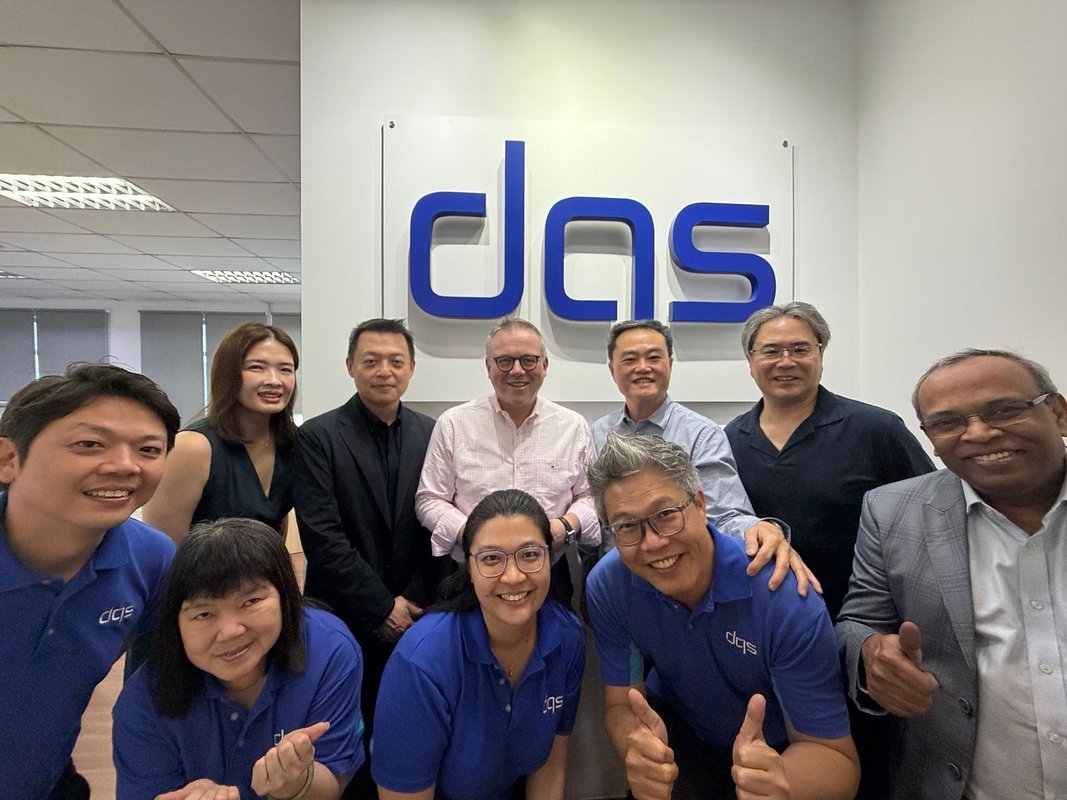
FRANKFURT, Germany – February 04, 2026 – Global certification and assessment leader DQS has announced a major strategic consolidation in Southeast Asia, acquiring full ownership of its operations in Malaysia and Singapore. The move, which transitions the businesses from a long-standing license partner model to wholly owned subsidiaries, signals a significant deepening of the company's commitment to the ASEAN region, a hub of accelerating economic activity and increasing regulatory complexity.
This integration is designed to enhance operational synergies and fortify DQS's position within the rapidly expanding Asia-Pacific Testing, Inspection, and Certification (TIC) market. The APAC TIC sector was valued at over USD 111 billion in 2024 and is projected to surge past USD 184 billion by 2033, driven by a robust compound annual growth rate. By taking direct control, DQS aims to more effectively capitalize on this growth and better serve its multinational and local clients operating within one of the world's most dynamic economic blocs.
A Strategic Pivot in a High-Growth Market
The decision to fully integrate the Malaysian and Singaporean offices is a direct response to powerful market forces shaping the region. ASEAN's role as a critical node in global supply chains, coupled with a wave of new regulations and a heightened corporate focus on Environmental, Social, and Governance (ESG) criteria, has created unprecedented demand for expert certification services.
"ASEAN plays an increasingly important role in the global strategies of many of our clients' organizations," said Ingo M. Rübenach, CEO of the DQS Group, in a statement. "At the same time, rapidly evolving regulatory requirements, increasingly complex supply chains, and rising expectations around quality, safety and sustainability are driving demand for trusted assessment and certification services across industries. Strengthening our presence in the region is therefore a key element of our long-term growth strategy and positions DQS where future development and transformation are taking place."
This transformation is evident across the region. In Malaysia, the manufacturing sector, which accounts for over two-thirds of ISO 9001 certifications, continues to be a powerhouse. Meanwhile, Singapore is pushing forward with sustainability initiatives and digital transformation, creating new demands for certifications in areas from environmental management to information security (ISO 27001). The move allows DQS to align its global expertise more closely with these specific national priorities.
From Partnership to Full Control: The Operational Shift
For over two decades in Malaysia and for a significant period in Singapore, DQS operated under a license partner model. This common industry practice allows a global brand to leverage a local partner's market knowledge and networks for market entry and service delivery. While effective, this model can create a layer of separation between global strategy and local execution.
The shift to full ownership dismantles this structure, aiming for a more cohesive and agile organization. The primary goals are to streamline processes, foster stronger collaboration across the company's Asia-Pacific network, and enable the direct implementation of global initiatives and technologies. This structural change is expected to enhance efficiency and provide a more uniform service experience for clients operating across multiple jurisdictions.
Despite the significant internal changes, the company has stressed that customer experience remains the top priority. "For our customers, continuity is paramount," assured Danny Ng, who will continue to lead the operations as Managing Director for Malaysia and Singapore. "They will continue to work with the same teams and the same points of contact they trust today. Day-to-day services and established routines remain consistent, providing stability and reliability throughout the transition."
While this public assurance is crucial for customer retention, the integration will inevitably involve complex internal work, including the harmonization of IT systems, financial reporting, and corporate culture. Successfully navigating this transition will be key to realizing the long-term strategic benefits of the acquisition.
Elevating Standards in Key Regional Industries
DQS's deepened presence is particularly relevant for the key industries where it has already built significant local expertise: sustainability, medical devices, and automotive. The direct integration will allow the company to deploy its global resources more effectively to address the unique challenges and opportunities within these sectors.
In the medical device industry, for instance, manufacturers must navigate the ASEAN Medical Device Directive. DQS’s specialized knowledge in standards like ISO 13485 (Medical Devices Quality Management) becomes even more valuable with a direct-control model that can ensure consistent, up-to-date auditing practices across the region. Similarly, in the automotive sector, the push towards electric vehicles and more complex supply chains requires rigorous adherence to standards like IATF 16949, an area of established strength for the company.
Furthermore, the growing pressure for robust ESG reporting and sustainable practices across all industries is a major growth catalyst. Full ownership enables DQS to more rapidly introduce and scale advanced sustainability and ESG assurance services, helping regional businesses meet both regulatory mandates and investor expectations.
Navigating a Competitive Certification Landscape
DQS's strategic maneuver does not occur in a vacuum. The ASEAN certification market is a competitive battleground populated by global giants such as SGS, Bureau Veritas, TÜV SÜD, and Intertek, as well as strong national bodies like SIRIM QAS International in Malaysia. In this environment, standing still is not an option.
By converting its partnerships into wholly owned entities, DQS is not only investing in market growth but also sharpening its competitive edge. Full ownership facilitates more aggressive market development, direct investment in local talent and technology, and a more agile response to competitive pressures. It allows the company to present a unified front, combining its global brand reputation with deep, now fully integrated, local expertise. This move positions DQS to compete more effectively for large-scale, cross-border certification contracts and to solidify its reputation as a premier partner for businesses navigating the future of commerce in Southeast Asia.