
- 17 free trips available over a ten-day period in Los Angeles
- 83 hours lost annually to traffic congestion in LA (TomTom data)
- 90% of people consider spending time outdoors personally important (WWF report)
Experts view Dometic's 'This Way Out' initiative as a strategic experiential marketing campaign that effectively addresses urban stress and demonstrates the brand's commitment to connecting people with nature through seamless, tech-enabled outdoor experiences.
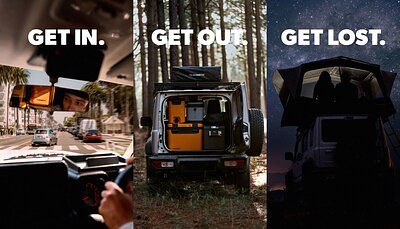
Dometic Offers Angelenos a Free, Gear-Packed Escape from the Grind
LOS ANGELES, CA – April 14, 2026 – For Angelenos weary of the relentless urban grind, a new opportunity offers a radical escape. Global outdoor technology brand Dometic has launched 'This Way Out,' an ambitious initiative providing free, 36-hour adventures into the wild. The Swedish company is offering a fleet of premium off-road vehicles, fully stocked with a comprehensive suite of camping gear, to whisk city dwellers away from the concrete jungle and into the serene landscapes of Joshua Tree. With all planning, packing, and provisions handled—including chef-prepared meals—the program aims to eliminate every barrier between stressed-out urbanites and the restorative power of nature. It’s a simple, yet bold proposition: just take the keys and get lost.
Beyond Products: The Rise of the Experiential Brand
Dometic's campaign is more than a generous giveaway; it's a calculated move within a larger marketing shift where brands sell experiences, not just products. In an increasingly crowded market, companies in the outdoor sector are realizing that demonstrating a product's value in a real-world, memorable context fosters a deeper customer connection than traditional advertising ever could. This strategy, known as experiential marketing, is proving highly effective, with some reports citing returns on investment as high as 10:1 for well-executed campaigns.
The 'This Way Out' initiative places Dometic alongside competitors like Yeti and Thule, who have also invested heavily in creating immersive brand ecosystems. Yeti builds community through brand ambassadors and authentic storytelling campaigns like "Mapping the Gaps," while Thule uses a mix of lifestyle content and roadshows to connect its "Bring your life" promise to tangible user experiences. This industry-wide trend underscores a pivot from transactional relationships to community-building and lifestyle integration.
For Dometic, this campaign is a direct manifestation of its stated brand philosophy. "Dometic exists to help more people connect with nature," said Peter Jannerö, Chief Marketing Officer at Dometic, in the official announcement. "Our products are engineered to simplify and enrich outdoor experiences, and this project is a true manifestation of that purpose. The gear. The car. The food. The plan. We're taking care of it all so people can focus on actually getting out there." By curating the entire adventure, the company isn't just showcasing its gear; it's demonstrating its core mission of making mobile living easy.
An Antidote to the Urban Squeeze
The choice of Los Angeles as the launchpad for this program is no accident. The city epitomizes the modern urban dilemma that Dometic aims to address. According to recent data from traffic analytics firm TomTom, LA ranks #1 in the United States for traffic congestion, with drivers losing an average of 83 hours—nearly three and a half days—to traffic in the last year alone. This gridlock serves as a constant, frustrating reminder of the pressures of dense city living.
This local issue reflects a global trend. The World Bank projects that by 2050, nearly seven out of ten people will live in urban areas. Yet, this increasing density runs counter to a powerful human desire; a WWF report noted that over 90% of people consider spending time outdoors personally important. This creates a growing tension between daily life and personal well-being, a gap that brands are increasingly seeking to fill. The rise of trends like "sweat jetting," where vacations are built around physical activity in nature, underscores a powerful consumer shift towards active, immersive escapes.
Jannerö specifically cited LA’s traffic woes as a key motivator. "With LA now ranking #1 in the U.S. for traffic, it's one of the clearest examples of the daily urban grind. Dometic is here to help," he stated. The campaign directly targets this pain point, offering not just a vacation, but a tangible antidote to the stresses of a hyper-urbanized existence.
Engineering the Effortless Adventure
At the heart of the 'This Way Out' experience is the seamless integration of technology and thoughtful design to democratize adventure. The primary hurdle for many aspiring campers is the daunting trifecta of gear cost, logistical planning, and the sheer hassle of packing. Dometic tackles this head-on by providing a turnkey solution that transforms a complex undertaking into a simple pleasure.
Participants are handed the keys to an all-terrain vehicle from Lexus, Toyota, or Ford, each outfitted with a complete basecamp. The setup includes a Dometic TRT 140 Air rooftop tent for comfortable sleeping, a Front Runner awning for shade, and a full suite of camp furniture including benches and chairs. The culinary experience is elevated far beyond typical campfire fare, thanks to a Dometic CFX5 electric cooler stocked with a seasonal, chef-prepared menu, a Cadac 2 Cook 3 Pro Deluxe stove, and a clever hydration system featuring a water jug and faucet. Power for the cooler and other electronics is supplied by a portable battery, ensuring modern convenience even off the grid.
This curated gear collection is a testament to Dometic's Swedish design heritage, which stretches back to its pioneering work in absorption cooling technology in 1925. By handling every detail, from the reserved campsite in Joshua Tree to a curated guide of activities and 24/7 expert support, the company allows participants to focus solely on the experience of exploration. It's a practical application of the brand's long-standing expertise in making life on the move more comfortable and accessible.
A New Blueprint for Brand Engagement?
With 17 trips available over a ten-day period, the initial launch in Los Angeles is a focused, high-touch pilot program. The critical question is whether this model represents a one-time marketing spectacle or a scalable blueprint for Dometic's future engagement with urban consumers. The campaign's description as the brand's "boldest experience yet" suggests a significant strategic investment rather than a fleeting promotion.
Industry trends for 2026 point towards experiential marketing becoming even more central to brand strategy, with a focus on immersive, data-driven, and sustainable activations that blur the lines between physical and digital worlds. Dometic's initiative hits several of these notes, offering an authentic, wellness-focused experience that aligns with its sustainability goals and premium positioning. The high-value, low-effort nature of the getaway is designed to generate powerful word-of-mouth and social media buzz, creating a ripple effect that extends far beyond the few dozen participants.
While the company has not yet announced plans to expand 'This Way Out' to other traffic-choked cities like New York or Chicago, the campaign's success could pave the way for a recurring brand platform. By creating powerful, positive memories tied directly to its products, Dometic is investing in long-term emotional equity and customer loyalty. This approach moves beyond selling gear and towards facilitating the very freedom and connection its customers crave, potentially setting a new standard for how outdoor brands interact with their audience in an increasingly urbanized world.