
- $22 billion: Global adult incontinence market value in 2025, projected to exceed $37 billion by 2034. - 78%: Men with weekly urinary leakage who never seek medical care. - 40%: Men who only see a doctor when facing a serious medical issue.
Experts would likely conclude that Depend's partnership with Coach Prime is a strategic masterstroke, leveraging authenticity to destigmatize men's health while fortifying market dominance through emotional branding.
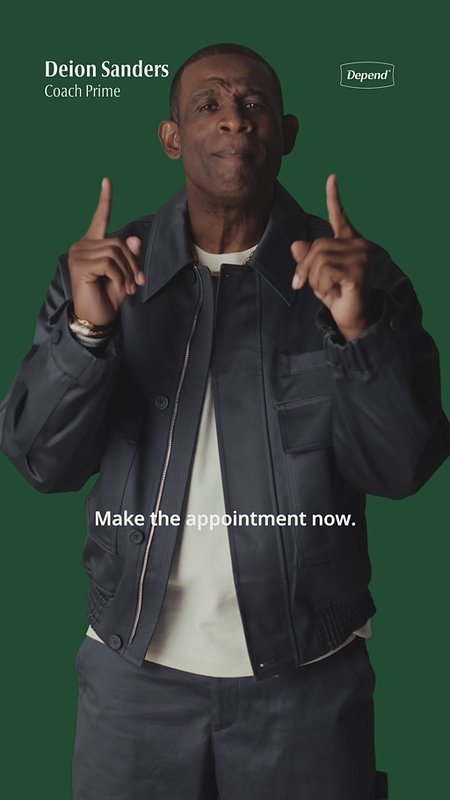
Depend's Boldest Play: De-Stigmatizing Men’s Health With Coach Prime
CHICAGO, IL – June 15, 2026
On the surface, the announcement from Kimberly-Clark’s Depend brand is a familiar script from the modern marketing playbook: a high-profile celebrity partners with a major brand for a cause-related campaign. Deion “Coach Prime” Sanders, a figure synonymous with confidence and victory, is lending his voice and face to encourage men to take their health seriously. But to dismiss this as just another endorsement is to miss the structural shift happening in plain sight. This partnership is not about aspirational marketing; it is a calculated, deeply strategic move rooted in the potent and often-uncomfortable currency of authenticity. It’s a case study in how a legacy brand is weaponizing vulnerability to dismantle a decades-old stigma and, in the process, fortify its market dominance.
The Authenticity Playbook
Most celebrity partnerships are built on a foundation of curated success. An athlete endorses shoes they wear to win, an actor promotes a luxury car they drive on screen. The connection is aspirational. The Depend and Coach Prime partnership, however, is grounded in a starkly different reality: a public and arduous health battle. In 2025, Sanders was diagnosed with a high-risk bladder cancer, leading to a full bladder removal. His recovery journey, which he shared with startling candor, included the public admission that he now relies on absorbent underwear. “I depend on Depend,” he stated plainly in a 2025 press conference, “I cannot control my bladder.”
This is not a paid actor reading a script; it is a user testimonial from one of the most recognizable figures in sports, delivered with the same directness he uses to coach his football teams. Kimberly-Clark is not just borrowing his fame; it is leveraging his lived experience. When Katie Moran, the company's North America President of Adult and Feminine Care, says Coach Prime “embodies unapologetic confidence and authenticity,” it’s more than PR-speak. The brand is tapping into the raw power of a story that cannot be fabricated. The campaign's “Depend Wake Up Calls”—personalized video messages from Sanders—are not just motivational clips; they are dispatches from someone who has faced the very fears the campaign seeks to address. This level of authenticity is a rare and powerful asset, transforming a product often hidden in the back of a bathroom cabinet into a tool for proactive health management.
Redefining the Shelf and the Stigma
The most disruptive element of this campaign is not digital; it’s physical. For the first time, Depend Real Fit® packaging will feature Coach Prime’s image. In a category historically defined by discretion—plain packaging, euphemistic language, and side-aisle placement—this is an act of defiance. It is a strategic decision to move the product from the shadows into the light, directly challenging the embarrassment that fuels the industry’s quiet-corner status. By putting a celebrated icon on the package, Depend is making a bold statement: managing incontinence is not a sign of weakness to be hidden, but a reality to be handled with confidence.
This move is underwritten by a massive market opportunity. The global adult incontinence market was valued at nearly $22 billion in 2025 and is projected to exceed $37 billion by 2034, propelled by an aging global population. As the #1 brand in the category, Depend’s leadership is secure for now, but the competitive landscape, with formidable rivals like P&G and Essity, is fierce. This campaign is a classic example of a market leader not just defending its turf but reshaping the entire playing field. Instead of competing solely on product features like absorbency and fit, Kimberly-Clark is elevating the brand into a symbol of empowerment and resilience. It is a strategic pivot from selling a solution to a problem to selling a philosophy of proactive living.
A Wake-Up Call for a Silent Crisis
The campaign’s timing during Men's Health Month is no coincidence. It serves as a Trojan horse to address a much larger, more insidious issue: men’s systemic avoidance of healthcare. The statistics are alarming. According to a Cleveland Clinic survey, over 40% of men only see a doctor when they have a serious medical issue, and more than half admit to not even talking about their health. This culture of stoicism has deadly consequences, contributing to higher mortality rates for men across numerous preventable diseases.
Urinary incontinence is a prime example of this crisis. Research shows that while one in four men over 40 experience some form of urinary leakage, a staggering 78% of those with weekly episodes never seek medical care. The reasons are deeply rooted in societal pressures and fears of appearing weak or old. The “Depend Wake Up Calls” initiative is a clever piece of strategic design that attempts to short-circuit this cycle of avoidance. By delivering a message directly to a man’s phone from a figure like Coach Prime, it bypasses the need for an initial, intimidating conversation with a doctor or family member. It meets the target audience where they are, using a modern distribution channel to deliver a timeless message of self-care and accountability.
The New Competitive Arena
By tethering its flagship brand to a mission of destigmatization, Kimberly-Clark is fundamentally changing the terms of competition. While rivals focus on innovating the next ultra-thin design or more absorbent polymer, Depend is building an emotional moat around its brand. The partnership with Coach Prime creates a narrative that is difficult, if not impossible, for competitors to replicate. It forces the market to respond not just with better products, but with a better story.
This strategy redefines value, suggesting that the best product isn’t just the one that performs a function most effectively, but the one that empowers its user most profoundly. As consumers increasingly align their purchasing decisions with brands that reflect their values, this mission-driven approach could prove to be a significant long-term advantage. The message to the market is clear: the future of competition in personal care may be fought not just on the merits of product innovation, but on the battleground of cultural change. Depend and Coach Prime are not just selling underwear; they are selling a new narrative for men’s health, and in doing so, they may just change the game for everyone.