
- Dr. Clint Steele claims to have reversed dementia in an 80-year-old patient using his "natural protocols" after six months.
- Steele's book 101 Brain Hacks to Prevent and Even Reverse Dementia compiles 101 strategies presented as science-based daily habits.
- Research institutions successfully reversed advanced Alzheimer's-like pathology in mice using an experimental drug in December 2025.
While mainstream science is exploring the biological possibility of dementia reversal through experimental pharmaceuticals, experts caution that there is currently no proven cure or reversal protocol for established dementia in humans, and lifestyle interventions are primarily recommended for risk reduction and slowing progression.
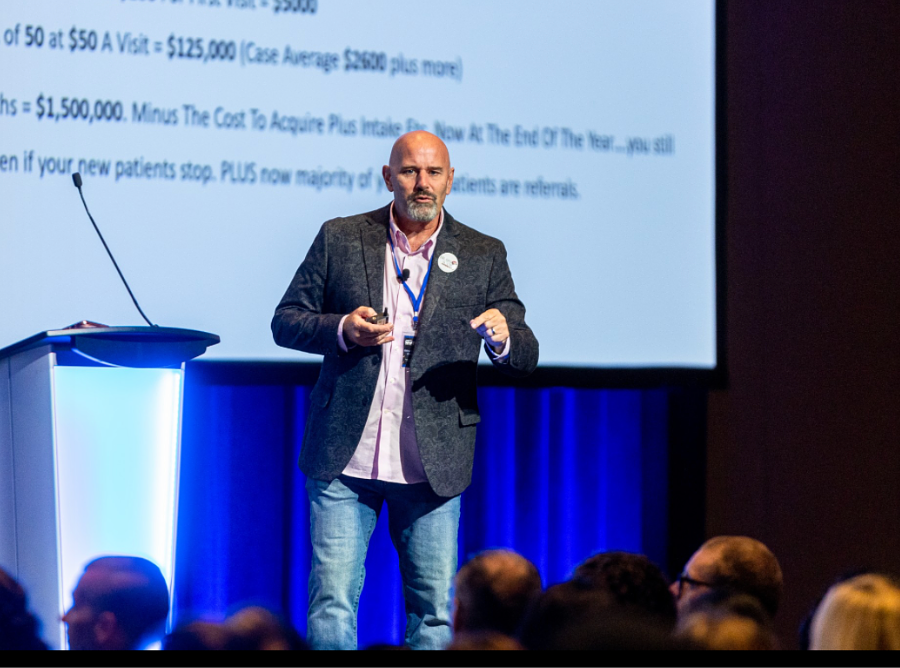
Dementia Reversal: A New Hope or Risky Hype from a Brain Hack Guru?
PORTLAND, ME – December 29, 2025 – A new book promising to “prevent and even reverse dementia” is rapidly gaining traction, offering a message of hope to millions but also drawing scrutiny from the medical community. Dr. Clint Steele, a social media educator with a following of over two million, has released 101 Brain Hacks to Prevent and Even Reverse Dementia, a guide he claims can turn the tide on a disease long considered a one-way street.
The book’s release comes at a pivotal moment. Just this month, major research institutions announced a groundbreaking development: the successful reversal of advanced Alzheimer's-like pathology in mice. This juxtaposition places Dr. Steele’s claims at the center of a tense debate, pitting personal testimonials and alternative protocols against the rigorous, methodical pace of mainstream science.
The Promise of a Turnaround
According to his publisher, Dr. Steele’s mission is deeply personal, sparked by watching his grandmother’s memories fade. “She would whisper and ask if I could sneak her out to go fishing,” he recalls in a press release. “But when nurses showed her flashcards of fruit and shapes, she couldn’t recognize any of them. I kept thinking, ‘Someone needs to find a real solution.’”
That solution, he claims, began to form six years later when an 80-year-old woman with a recent dementia diagnosis came to his clinic. Though he had never treated dementia, he applied his “natural protocols.” The results, as described by Steele, were miraculous. “Her memory was so poor that she would forget what she was saying mid-sentence,” he shared. But after six months, her husband allegedly told him, “Thank you for giving me my wife back.”
This case, along with his personal history, became the backbone of a global movement. Dr. Steele began sharing daily “brain hacks” online, and his audience exploded. The new book compiles 101 of these strategies, presented as actionable, science-based daily habits. The narrative is powerful and compelling: dementia, he suggests, is not a life sentence. His platform, Brain Based Health Solutions, reinforces this message, creating what it calls a “comprehensive brain-health ecosystem” that includes supplements, essential oil inhalers, and virtual coaching programs, all aimed at cognitive regeneration.
A Specialist Under the Microscope
While the message of hope is potent, a closer look at Dr. Steele’s credentials reveals a more complex picture. Dr. Steele is a Doctor of Chiropractic (D.C.), licensed to practice in Maine. On his website, he clarifies that he is not a medical doctor and does not diagnose or treat medical illnesses. He refers to himself as a “brain and nervous system specialist,” a title that is not a recognized medical specialty board certification.
His approach is rooted in chiropractic principles and his company, Brain Based Health Solutions, which also offers training to other chiropractors. This background has drawn criticism. In a public analysis of his work earlier this year, one double board-certified internal medicine physician questioned his self-proclaimed expertise and raised concerns about a potential conflict of interest, given that he sells the very products and protocols he promotes.
The testimonials on his website, including one headline that reads “DEMENTIA REVERSED!,” are anecdotal. While they describe life-changing results for patients with dementia, anxiety, and diabetes, the site includes a standard disclaimer: “Results presented are not typical. Individual results will vary.” No independently verified medical documentation or peer-reviewed case studies for these claimed reversals were found in the public record.
Science on the Brink of a Breakthrough?
Ironically, the idea of dementia reversal is no longer confined to the realm of alternative health. In a landmark study published in late December 2025 in Cell Reports Medicine, researchers from several Cleveland-based institutions reported they had successfully reversed brain damage and restored cognitive function in mouse models of Alzheimer's. They achieved this by using an experimental drug to restore the balance of NAD+, a molecule crucial for cellular energy.
Scientists involved called the findings a “paradigm shift,” but they were quick to temper expectations. They stressed that results in animal models often fail to translate to humans and that human trials are still a long way off. Crucially, they explicitly warned the public against attempting to replicate the results with over-the-counter NAD+-boosting supplements, noting that some can dangerously elevate NAD+ levels and are linked to other health risks.
This breakthrough provides a fascinating but cautionary backdrop to the claims made in 101 Brain Hacks. While mainstream science is just beginning to prove the biological possibility of reversal in a lab setting with experimental pharmaceuticals, Dr. Steele claims to be achieving it now in human patients through lifestyle changes, chiropractic methods, and supplements. The scientific community largely maintains that for established dementia in humans, there is currently no proven cure or reversal protocol, and lifestyle interventions are primarily recommended for risk reduction and slowing progression.
The Brain Health Marketplace
Dr. Steele's venture is more than a book; it's a business model tailored for the digital age. His platform, Brain Based Health Solutions, markets a line of products including a “Better Brain Memory Formula” supplement and “Brain Scents” essential oil inhalers, sold through a portal designated “for licensed healthcare practitioners only.”
This direct-to-consumer and practitioner-focused approach exists within a largely unregulated market. Major health organizations have consistently cautioned consumers about the booming brain-health supplement industry. The Global Council on Brain Health (GCBH), an independent collaborative of scientists and health professionals, states there is insufficient evidence to recommend any supplement for brain health, except in cases of diagnosed nutrient deficiencies. Similarly, reports from the AARP have highlighted the lack of scientific proof for the vast majority of products that claim to prevent, slow, or reverse cognitive decline.
For families grappling with a dementia diagnosis, the landscape is fraught with difficult choices. The desperation for a cure creates a powerful demand for accessible, hopeful solutions. Dr. Steele’s message of empowerment and his simple, daily “hacks” offer an attractive alternative to the often-disheartening prognosis from conventional medicine. His platform speaks directly to the desire to take control, providing a clear, step-by-step plan where mainstream medicine often offers only symptom management, a reality that makes his message resonate so deeply with millions.