
- $36.4 billion: Global licensed sports merchandise market in 2024, projected to reach $49 billion by 2030.
- $1.67 billion: Estimated NIL market for the 2024-25 academic year.
- $28.3 million: DBGI's net loss in 2025, more than doubling its $13.1 million loss from the previous year.
Experts would likely conclude that DBGI's Vanderbilt NIL deal is a high-risk, high-reward strategy to capitalize on the growing NIL market, but the company's severe financial struggles raise significant concerns about its long-term viability.
DBGI Bets on Vanderbilt NIL Deal Amid Financial Struggles
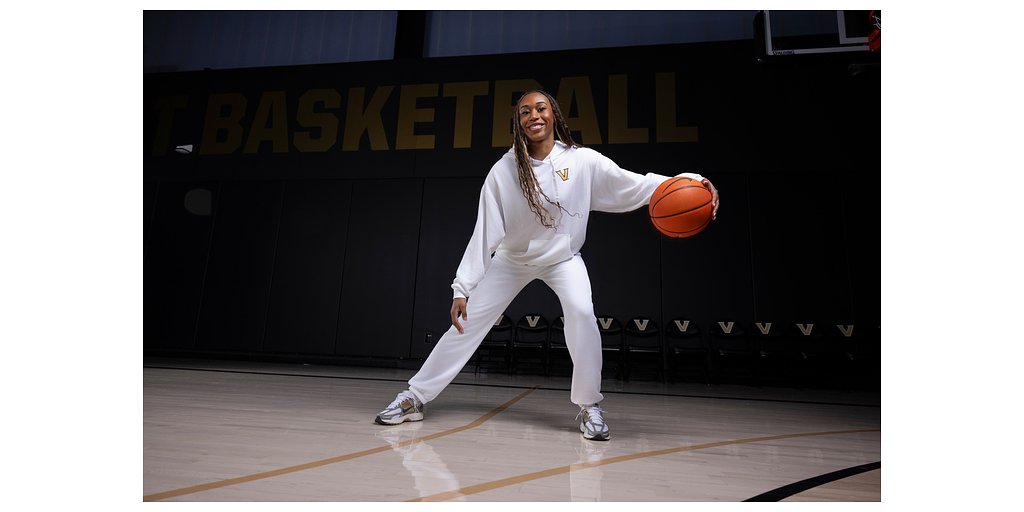
AUSTIN, TX – April 21, 2026 – Digital Brands Group (NASDAQ: DBGI) has entered the high-stakes world of collegiate sports merchandising, launching a new apparel line with Vanderbilt University. The partnership, centered on DBGI's AVO brand, aims to capitalize on the burgeoning Name, Image, and Likeness (NIL) market while aligning with the university's initiative to champion women's athletics. But beneath the sheen of this forward-thinking collaboration lies a stark reality: DBGI is a company fighting for its financial life, making this collegiate play a high-risk, high-reward gambit.
The new AVO x Vanderbilt capsule collection, which went live in late March, features a range of co-branded casual wear, from $38 t-shirts to $88 hoodies. Every purchase contributes directly to Vanderbilt's NIL fund, providing a new revenue stream for student-athletes. This model represents a significant evolution in university merchandising, transforming a simple fan purchase into a direct act of support for the players themselves.
A New Play in the NIL Gold Rush
DBGI's move is a clear attempt to stake a claim in the rapidly expanding NIL landscape. Since the NCAA opened the doors for student-athletes to profit from their personal brands in 2021, a gold rush has ensued. The global licensed sports merchandise market, estimated at $36.4 billion in 2024, is projected by Grand View Research to surge to $49 billion by 2030. The NIL segment within it is growing even more explosively, with one report pegging the market at $1.67 billion for the 2024-25 academic year alone.
This partnership is a textbook example of the new commercial ecosystem forming around college sports. By aligning with Vanderbilt, DBGI's AVO brand gains access to a passionate, built-in consumer base of students, alumni, and fans. The company has attempted to sweeten the deal with a promotional $25 gift card, valid through April 2026, to drive initial sales and data capture.
Hil Davis, CEO of Digital Brands Group, framed the move as a core part of the company's strategy. “As we stated in October of 2025, we are committed to our strategic initiative to aggressively expand AVO’s presence in the Name, Image, and Likeness (‘NIL’) college apparel sector,” Davis noted in the initial announcement. This venture is not a one-off; it is part of a broader playbook that has seen AVO launch similar collections with other major universities, including Alabama, Ole Miss, and Penn State.
Empowering Athletes or a Desperate Hail Mary?
The partnership's most compelling narrative is its connection to Vanderbilt’s “Anchored for Her” campaign. Launched in February 2026, the initiative is a cornerstone of the university's effort to become a preeminent destination for women’s college sports. With an ambitious initial fundraising goal of $50 million, "Anchored for Her" aims to fund everything from facility enhancements to scholarships and, crucially, NIL opportunities.
By tying the AVO apparel line to this cause, both Vanderbilt and DBGI are tapping into a powerful social and commercial trend. The collaboration allows consumers to support female athletes directly, transforming a transactional purchase into a statement of values. “We are excited to launch this program with Vanderbilt, especially given Vanderbilt’s Anchored for Her campaign," Davis said. "We believe in this mission as strongly as Vanderbilt does."
However, this optimistic mission is set against a bleak financial backdrop for Digital Brands Group. The company's public filings paint a picture of a business under severe duress. DBGI reported a net loss of $28.3 million in 2025, more than doubling its $13.1 million loss from the previous year, and carries an accumulated deficit of over $155 million. Its revenue has plummeted by more than 94% over the last three years. In its own financial reports, management has acknowledged "substantial doubt about its ability to continue as a going concern."
With a market capitalization that has fallen nearly 86% in the last year to around $15 million and just $1.9 million in cash reserves as of its last quarterly report, DBGI is operating on a financial razor's edge. Just last week, on April 15, the company entered into an agreement to sell up to $100 million of its common stock on an "at-the-market" basis—a move that can provide vital liquidity but also risks diluting the value for existing shareholders. This context reframes the Vanderbilt deal from a simple brand expansion into what could be a desperate Hail Mary to generate revenue and reverse its fortunes.
The Competitive Field: Giants vs. Niche Players
DBGI is entering a crowded and competitive arena dominated by global titans. Nike, Adidas, and Under Armour have all developed sophisticated and well-funded NIL strategies. Nike has focused on creating elite cohorts, like its "Blue Ribbon Elite" program, which provides a select group of top athletes at partner schools like LSU and the University of Texas with deep integration into campaigns and product innovation.
Adidas has taken a broader, more accessible approach, creating a program that makes over 50,000 athletes at its sponsored universities eligible for NIL deals, including affiliate opportunities to earn a percentage of sales. Meanwhile, Under Armour has adopted a "purpose-first" strategy, deliberately focusing on female and HBCU athletes, with 58% of its NIL partnerships being with women, a figure that outpaces the market average.
Against these giants, DBGI's strategy appears to be one of targeted, niche partnerships. Instead of sponsoring entire athletic departments, it creates specific capsule collections tied to university brands and causes. This allows a smaller player to enter the market without the multi-million dollar overhead of a full sponsorship deal. The focus on direct contribution to an NIL fund and alignment with a specific campaign like "Anchored for Her" provides a unique selling proposition that can resonate with consumers looking for more direct impact.
A Digitally Native Playbook for Collegiate Apparel
The Vanderbilt partnership is also a direct reflection of DBGI's core business model. The company describes itself as a "digitally native-first vertical brand" that aims to own the customer's "closet share." The strategy is not just to sell a Vanderbilt-branded hoodie but to acquire a new customer and their data. By drawing in a Vanderbilt fan through the AVO collection, DBGI hopes to then leverage its e-commerce platform to market apparel from its other brands, effectively using the university partnership as a customer acquisition funnel.
This data-driven approach is common in modern e-commerce but represents a novel application in the collegiate licensing space. While large brands focus on mass-market visibility, DBGI is playing a more targeted digital game. The success of this venture will depend on whether the appeal of supporting Vanderbilt athletes and the "Anchored for Her" mission is strong enough to drive sales and, more importantly, whether DBGI can convert these one-time buyers into long-term customers for its broader portfolio of brands.
For now, the AVO x Vanderbilt collection stands as a fascinating case study at the intersection of modern commerce, collegiate sports, and corporate survival. It is a story of a university embracing new models to fund its athletic ambitions, a company betting on a hot market to save itself, and student-athletes who stand to benefit from the collision of these powerful forces. The outcome of this strategic play could provide a new blueprint for smaller brands in the NIL era or serve as a cautionary tale about the risks of entering the big leagues.