
- 175 units: The Cabana Design District now features 175 modern apartments, with 70 (40%) designated as affordable housing.
- $116 million: The total cost of the redevelopment project, funded through a mix of public and private financing.
- 45 years: The duration for which the affordability covenants on the units are locked in, ensuring long-term community benefits.
Experts would likely conclude that the Cabana Design District's redevelopment successfully balances historic preservation with urgent affordable housing needs, serving as a model for equitable urban revitalization.
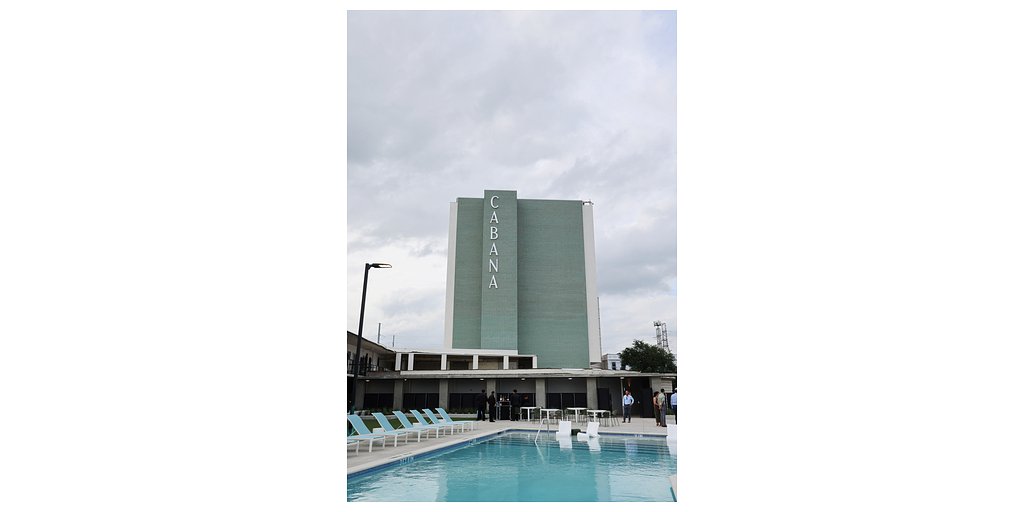
Dallas's Cabana Hotel: From Rock Stars to Affordable Residences
DALLAS, TX – May 14, 2026 – The echo of rock legends and the shimmer of mid-century glamour have officially given way to the hum of a new community at 899 North Stemmons Freeway. The iconic Cabana Hotel, a Dallas landmark that once hosted The Beatles and Led Zeppelin, has been reborn as Cabana Design District, a 175-unit mixed-income residential development. The recent grand opening celebrated the culmination of a monumental $116 million effort to transform a piece of history at risk of being lost into a beacon of hope for the city's housing needs.
Developed in a partnership between Hunt Capital Partners and Sycamore Development, the project marks a significant milestone in Dallas’s urban revitalization strategy. It simultaneously preserves an architectural gem while delivering critically needed affordable housing to a high-opportunity area.
“The grand opening of Cabana Design District marks a significant milestone for Dallas,” said Jeff Weiss, President of Hunt Capital Partners, in a statement. “This project not only preserves a piece of the city’s history but also addresses the growing need for affordable housing. We are honored to have partnered with Sycamore Development to bring this vision to life.”
A Storied Past, A New Purpose
When the Cabana Motor Hotel opened its doors in 1962, it was the epitome of jet-set cool. Conceived by Las Vegas visionary Jay Sarno, who would later create Caesar's Palace, the Cabana was designed by famed Miami architect Melvin Grossman as a dazzling example of New Formalist architecture. Its boomerang-shaped tower, decorative concrete screens, and opulent Roman-themed lobby with replicas of classical statues made it an instant hotspot.
The hotel’s guest book reads like a who's who of 1960s culture. It famously hosted The Beatles in 1964, an event that saw a mob of fans overwhelm the property. Led Zeppelin, The Monkees, Jimi Hendrix, and The Who all stayed within its walls. A young Raquel Welch worked as a cocktail waitress in its Bon Vivant Room before her rise to stardom.
But the glamour was fleeting. After changing hands and names, the hotel closed in the 1980s. In a dramatic shift of purpose, the building was converted into the Bill Decker Detention Center, serving as a county jail from 1985 to 2009. For more than a decade afterward, the once-vibrant structure sat vacant and decaying, a ghost of its former self. Recognizing its architectural and cultural value, Preservation Dallas placed it on its endangered buildings list in 2015. The successful redevelopment has rescued this National Register of Historic Places landmark from the brink of demolition, meticulously restoring elements like its distinctive facade, terrazzo flooring, and iconic pool deck.
A Blueprint for Equitable Growth
Beyond its historical significance, the Cabana Design District represents a tangible response to Dallas's pressing affordable housing crisis. The project is situated in the Design District TIF, an area that, prior to this development, had an alarmingly low affordable housing stock—only 63 income-restricted units out of over 3,000 total residences, a mere 2%.
The new Cabana directly confronts this disparity. Of its 175 modern apartments, 70 units—or 40% of the total—are designated as affordable. These homes are reserved for families and individuals earning between 30% and 80% of the Area Median Income (AMI), providing desperately needed workforce housing in a rapidly developing neighborhood. Crucially, these affordability covenants are locked in for 45 years, ensuring a long-term benefit for the community and preventing the displacement that often accompanies urban renewal.
This commitment to mixed-income living is a core component of the city's strategy to foster more equitable communities. By integrating affordable units seamlessly alongside market-rate apartments, the project avoids the concentration of poverty and provides residents with access to the same high-quality amenities and stunning downtown views, regardless of their income level.
The Complex Architecture of a Deal
Transforming a dilapidated, 60-year-old structure into modern housing is a financially daunting task. The $116 million price tag reflects the high costs of adaptive reuse, historic preservation, and environmental remediation. Such a project would not have been feasible without a complex and innovative public-private financing structure.
The City of Dallas played a pivotal role, providing up to $41 million in subsidies through the Design District Tax Increment Financing (TIF) District. This gap financing was essential to bridge the viability gap and was approved by the City Council in a show of commitment to the project's dual goals. While the Design District TIF board initially expressed concerns over the high per-unit cost, city leaders championed the project for its profound impact on both housing and historic preservation.
Further bolstering the financial stack were federal and state historic tax credits, which incentivized the careful restoration of the building's original character. The project also secured highly competitive 9% Low-Income Housing Tax Credits (LIHTC) from the Texas Department of Housing & Community Affairs (TDHCA), a key tool for creating affordable rental housing. Hunt Capital Partners, a national leader in this space, syndicated these various tax credits to raise the necessary private equity.
“We are thrilled to see the Cabana redevelopment come to fruition,” noted Zachary Krochtengel, President of Sycamore Development. “This project is a testament to the power of collaboration and innovation, and we are excited for the positive impact it will have on the community.”
This intricate blend of public subsidies and private investment, managed by developers with specialized expertise, serves as a powerful model for how cities can tackle ambitious urban revitalization projects that generate both social good and economic activity. With lease applications now open, the Cabana Design District is no longer just a landmark of the past, but a vibrant home for Dallas's present and future.