
- $13.6 million renovation completed at West Virginia Park, a 204-unit affordable housing property in Dallas.
- 46,000-unit deficit of affordable rental housing in Dallas, projected to grow to 76,000 by 2035.
- 80% of Dallas’s affordable housing is “naturally occurring” and vulnerable to displacement.
Experts view the West Virginia Park renovation as a successful model for preserving affordable housing through public-private partnerships, but emphasize that systemic challenges require broader policy interventions and sustained investment to address the crisis.
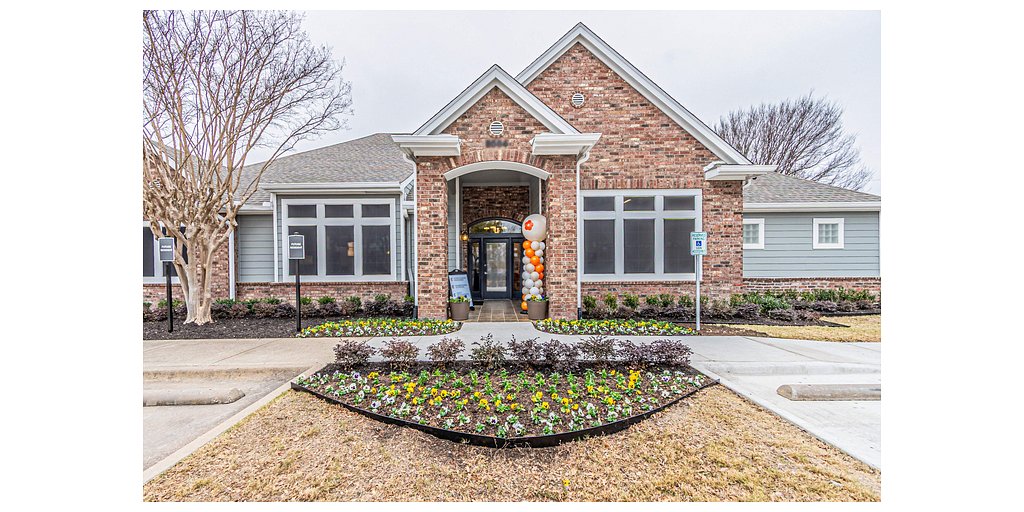
Dallas Housing Gets $13.6M Lifeline with West Virginia Park Overhaul
DALLAS, TX – February 20, 2026 – In a city grappling with a deepening affordable housing crisis, the recent completion of a $13.6 million renovation at West Virginia Park offers a tangible victory for its residents and a case study in public-private preservation efforts. FTK Construction Services, a nationwide general contractor, announced the project's completion, culminating in a grand reopening ceremony on January 22, 2026, attended by key stakeholders including leadership from owner April Housing, its parent company Blackstone Real Estate, lender PNC Bank, and the City of Dallas.
The 204-unit property, originally built in 2004, has been comprehensively rehabilitated, securing its place as quality affordable housing in a market where such units are rapidly disappearing. The project underscores a growing strategy of preserving existing housing stock as a critical tool against displacement and urban housing shortages.
A Critical Upgrade in a City Under Pressure
The scope of the renovation at West Virginia Park was extensive, designed to directly enhance the resident experience. FTK Construction Services overhauled the property's one, two, and three-bedroom apartments with fresh paint, new cabinetry and countertops, modern plumbing fixtures, new appliances, and updated flooring and lighting. Critically, the project also included the replacement of HVAC systems and hot water heaters, addressing core infrastructure needs.
Exterior and community-wide improvements were equally significant. The property received fresh paint, new paving, and improved landscaping. Common areas, which are vital to community life, were a key focus, with enhanced and updated playgrounds, a refurbished pool, and a modernized gym facility. These upgrades go beyond basic maintenance, aiming to foster a higher quality of life and a stronger sense of community for the families who call West Virginia Park home.
This project does not exist in a vacuum. It arrives at a moment of acute need for Dallas, a city with a current deficit of approximately 46,000 affordable rental units for its lowest-income residents—a gap projected to widen to 76,000 within the next decade. A staggering 80% of the city’s affordable housing is classified as “naturally occurring,” meaning it has no long-term affordability restrictions and is highly vulnerable to rising rents or redevelopment. Projections show Dallas could lose nearly all these properties by 2035, making the preservation of deed-restricted communities like West Virginia Park essential.
The Institutional Strategy Behind Affordable Housing
The financial architecture of the West Virginia Park renovation reveals a deliberate, large-scale investment strategy from some of the biggest names in real estate. The property is owned by April Housing, a portfolio company of Blackstone Real Estate launched in 2022 specifically to create and preserve affordable housing across the United States. With an initial portfolio of over 90,000 units, April Housing has committed to investing more than $500 million over the next decade to improve its communities while locking in their affordability.
This project was financed through the Low-Income Housing Tax Credit (LIHTC) program, the federal government’s primary mechanism for funding affordable rental housing. The renovation was part of a “resyndication,” a process where new financing and tax credits are secured to not only fund substantial upgrades but also to extend the property's affordability restrictions, typically for another 30 years. This ensures the units remain accessible to low-income households long into the future.
April Housing has been particularly active in Texas, recently completing resyndications that preserved nearly 900 units in Austin, Fort Worth, and Dallas. The company’s work at West Virginia Park, in partnership with the Dallas Housing Finance Corporation and PNC Multifamily Capital, is part of a national push that saw it preserve over 1,500 units in 2024 alone. This model leverages the long-term capital of institutional investors like Blackstone to address a pressing social need, turning affordable housing into a stable, impactful asset class.
Specialized Construction in a Complex Sector
Executing a multi-million-dollar renovation within the stringent framework of the LIHTC program requires specialized expertise, a role filled by FTK Construction Services. With over 25 years of experience and a portfolio of over 7,500 rehabilitated LIHTC units across 36 states, FTK has carved out a niche in this complex field. The company’s work involves navigating the unique regulatory, compliance, and financial requirements inherent to government-subsidized housing projects.
"Housing is such a critical, life-altering part of stabilizing a community,” said Mark Frazier, FTK’s Chief Operating Officer, in a statement. “We applaud April Housing's commitment to providing quality affordable housing across the nation, and our team is proud to support that goal by delivering quality renovations like this one at West Virginia Park."
This sentiment points to the dual nature of such projects: they are construction jobs, but they are also deeply intertwined with community welfare. The ability to manage large-scale interior and exterior rehabilitations while minimizing disruption to residents is a key differentiator for firms like FTK. Their successful completion of projects in Houston, Beaumont, and other cities demonstrates a repeatable model for preserving a vital component of the nation's infrastructure.
A Step Forward on a Long Road
While the revitalization of West Virginia Park is a clear success for its 204 households, local housing advocates caution that it represents just one step in addressing a systemic crisis. The LIHTC program, for all its effectiveness, faces challenges in Texas. A regulatory loophole known as the “qualified contract process” puts nearly 80,000 LIHTC units across the state at risk of premature conversion to market-rate rents. Furthermore, advocacy groups like Texas Housers note that the program often struggles to serve the state's poorest residents, with only a small fraction of LIHTC units in fiscal year 2023 going to households at or below 30% of the Area Median Income.
In Dallas, where more than nine out of ten low-income renters are cost-burdened—spending over 30% of their income on housing—the need for a broader range of solutions is urgent. City officials are exploring options from zoning reform to creating searchable databases for affordable units, but advocates argue that market-based fixes alone are insufficient without significant public subsidies.
The West Virginia Park project serves as a powerful example of what is possible when private capital and public policy align to preserve affordable housing. It provides stability and an improved living environment for hundreds of Dallas residents, standing as a bulwark against the tide of rising rents. However, it also casts a bright light on the sheer scale of the challenge that remains, a challenge that will require thousands more such victories to truly overcome.