
- $208M Deal: Dalfen Industrial acquires a 1.38 million-square-foot industrial portfolio for $208 million, buying below replacement cost.
- 19 Properties: The portfolio includes 19 properties across Dallas, Chicago, Indianapolis, and Cincinnati, with 93% occupancy.
- 8.8M Sq. Ft. Footprint: The acquisition expands Dalfen’s presence in key markets to approximately 8.8 million square feet.
Experts would likely conclude that Dalfen Industrial’s acquisition reflects a strategic move to capitalize on market dislocation, leveraging below-replacement-cost pricing to secure high-value last-mile logistics assets in prime locations.
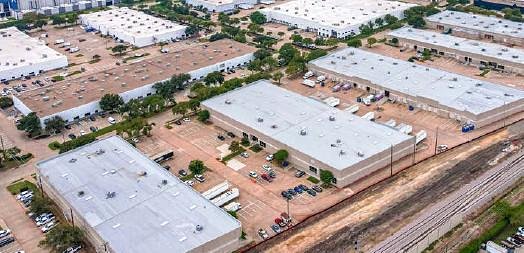
Dalfen Buys Below Cost in $208M Deal, Citing Market Dislocation
DALLAS, TX – April 06, 2026 – In a move that underscores a significant strategic maneuver in a shifting real estate landscape, Dalfen Industrial has acquired a 19-property, 1.38 million-square-foot industrial portfolio for $208 million. The transaction, which encompasses assets across the critical logistics hubs of Dallas, Chicago, Indianapolis, and Cincinnati, was notably completed below replacement cost, a clear signal of what the company calls a “pricing dislocation” within the industrial property sector.
The portfolio, purchased from global real estate firm Mapletree Investments, consists of 13 properties in Dallas, four in Chicago, and one in both Indianapolis and Cincinnati. These assets are situated in highly sought-after infill submarkets, including Plano, Valwood, GSW, O’Hare, and Park 100, locations prized for their proximity to dense consumer populations. The properties are currently 93% leased to a diverse roster of 48 tenants, including names like Cummins Inc. and Legacy Foods Manufacturing.
Capitalizing on Market Dislocation
The acquisition arrives at a pivotal moment for the commercial real estate market. The term “pricing dislocation” points to a growing gap between the cost of constructing new industrial facilities and the price at which existing, well-located properties can be acquired. This phenomenon is largely driven by a dual-sided economic pressure: rising interest rates have increased the cost of capital and put downward pressure on property valuations, while persistent inflation and supply chain challenges have kept construction costs stubbornly high.
This environment has thinned the ranks of potential buyers, creating a less competitive landscape for well-capitalized and opportunistic investors. For firms like Dalfen, this climate presents a rare window to acquire high-quality assets without paying the premium commanded just a few years ago. The Dallas-based firm has a well-documented history of acting counter-cyclically, making strategic purchases when market sentiment is cautious.
“This transaction gives us immediate scale in high-conviction infill submarkets where demand remains durable and leasing spreads continue to reprice,” said Sean Dalfen, president and chief executive officer of Dalfen Industrial, in a statement. “We continue to see opportunities to acquire well-located logistics assets at pricing that does not reflect replacement cost or forward rent potential.”
A Strategic Bet on the Last Mile
This deal is more than just a financially opportunistic purchase; it represents a doubling down on Dalfen Industrial’s core investment thesis: the indispensable value of last-mile logistics. The acquired properties are not random warehouses but are strategically positioned within dense urban areas to facilitate the final, most complex leg of the supply chain journey. Their proximity to major distribution arteries used by giants like Target and FedEx Freight enhances their value proposition for tenants focused on rapid e-commerce fulfillment and efficient distribution.
With this acquisition, Dalfen Industrial’s footprint across these four key markets grows to approximately 8.8 million square feet. The firm utilizes a proprietary, data-driven scoring methodology to identify infill locations that are critical for modern logistics, a strategy that has positioned it as one of the largest privately held industrial real estate owners in the United States, with a total portfolio exceeding 60 million square feet.
While the national industrial market has seen a slight uptick in vacancy rates to 5.9% as a wave of new construction comes online, demand remains robust. E-commerce, which requires roughly three times the logistics space of traditional retail, continues its expansion, underpinning the need for the very type of infill facilities that constitute this portfolio. Dalfen is betting that the strategic value of these locations will insulate them from broader market fluctuations and drive long-term growth.
Future Potential and Portfolio Dynamics
The seller, Mapletree Investments, characterized the sale not as a retreat from the market but as a strategic success. The transaction is the fifth U.S. warehouse portfolio divestment for the Singapore-based firm since mid-2025, reflecting the successful execution of its closed-end fund strategy for the Mapletree US & EU Logistics Private Trust. Mapletree has indicated it is reallocating capital toward new development opportunities, signaling continued confidence in the sector's long-term fundamentals.
A crucial element of the portfolio’s future value for Dalfen lies in its lease structure. The assets have a weighted average lease term (WALT) of approximately three years. In the world of commercial real estate, this is a relatively short duration, but for a value-add investor, it presents a significant opportunity. This short WALT provides the new owner with frequent chances to renegotiate leases and adjust rental rates to current market levels, which have seen sustained growth in recent years.
This dynamic allows Dalfen to systematically capture the “forward rent potential” that its CEO highlighted. As below-market leases expire, the company can capitalize on the strong demand for prime industrial space to increase its revenue stream. However, this strategy also necessitates a robust and proactive tenant retention program to minimize vacancy and turnover costs, ensuring a smooth transition as leases roll over in the coming years.