
- Market Growth: The European bubble tea market is projected to grow from USD 686 million in 2025 to USD 1.22 billion by 2032, a CAGR of 8.6%.
- Expansion Plans: CoCo Bubble Tea aims to triple its presence in the Netherlands (from 5 to 17 stores) and increase its Belgian locations from 3 to 14.
- Global Reach: CoCo has expanded into new markets like Armenia and Egypt in 2026, alongside European growth.
Experts view CoCo's strategic 'glocal' approach—combining global scale with local partnerships—as a key driver for its successful expansion in Europe's rapidly growing bubble tea market.
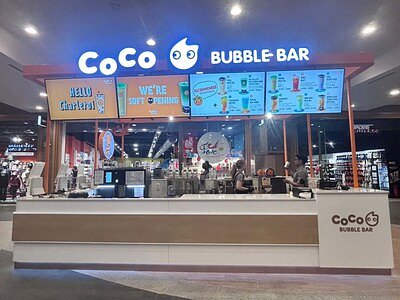
CoCo's Conquest: How Bubble Tea is Brewing a European Revolution
CHARLEROI, Belgium – April 20, 2026 – In a move signaling a major escalation in the battle for Europe’s beverage market, global giant CoCo Bubble Tea has announced a strategic partnership with local pioneer Bubble Bar. The collaboration, centered in Belgium, is the linchpin in CoCo’s ambitious plan to accelerate its expansion across the Benelux region and beyond, blending its worldwide operational might with nuanced local market knowledge.
This partnership is more than a simple business deal; it's a calculated maneuver in a market experiencing explosive growth. While CoCo already operates a handful of stores across Belgium and the Netherlands, this new alliance is designed to significantly deepen its regional footprint. By joining forces with Bubble Bar, a brand established in Antwerp in 2014 and widely regarded as an early player in Belgium's bubble tea scene, CoCo gains invaluable on-the-ground intelligence and a brand that resonates with local consumers.
"From the beginning, we've worked to introduce Belgian consumers to the creativity and quality behind bubble tea," said the Director of Bubble Bar. "Partnering with CoCo allows us to scale this vision while preserving the local relevance that defines who we are."
Europe's Growing Thirst for Bubble Tea
The timing of CoCo's aggressive push is no coincidence. The European bubble tea market is undergoing a remarkable boom. According to data from Research & Markets, the market is projected to swell from an estimated USD 686 million in 2025 to USD 1.22 billion by 2032, expanding at a compound annual growth rate (CAGR) of 8.6%. Key markets like Germany, France, the UK, and the Netherlands are at the forefront of this trend, showing a growing appetite for Asian-style beverages.
Driving this surge is the powerful influence of Gen Z. This demographic's consumer habits are reshaping the food and beverage landscape. Analysts note that bubble tea's core attributes align perfectly with their preferences: high levels of customization (from tea base to sugar levels and toppings), vibrant, visually appealing aesthetics perfect for social media sharing, and the novelty of a global product. The drink has become both a personal statement and a social currency, transforming it from a niche import into a mainstream phenomenon.
CoCo's extensive menu, featuring everything from classic milk teas with tapioca pearls to fruit teas with popping boba and cheese foam toppings, is perfectly positioned to capitalize on this demand for personalization and variety.
A 'Glocal' Blueprint for Conquest
CoCo's strategy represents a sophisticated 'glocal' approach—combining global scale with local adaptation. Rather than imposing a one-size-fits-all model, the company is creating a network of regional partnerships to ensure cultural relevance. The collaboration with Bubble Bar provides a blueprint for this model: CoCo provides its world-class supply chain, standardized operational systems, and product development engine, while the local partner offers deep consumer insight and a trusted name.
"We are encouraged by the market's momentum and confident in our long-term vision for Europe," commented Warren Chen, General Manager of CoCo Bubble Tea. "By working with established regional partners, we're building a network rooted in both cultural relevance and operational excellence."
This model allows for a more adaptive and resilient expansion. While the European market is growing, it is far from monolithic. Tastes and trends can vary significantly from Lisbon to Berlin. By leveraging local expertise, CoCo can fine-tune its offerings and marketing to better connect with consumers in each specific region, a critical advantage in a competitive landscape that includes other significant players like Tiger Sugar and early Benelux entrant 8tea5.
Charting an Ambitious Expansion
The tangible results of this strategy are already taking shape. Having entered the Benelux market three years ago, CoCo is now dramatically accelerating its growth. The company plans to more than triple its presence in the Netherlands, expanding from its current five stores to 17. In Belgium, the growth is even more aggressive, with plans to increase from three locations in Brussels, Antwerp, and Leuven to 14.
This Benelux focus is part of a much broader European and international push. The company has already established footholds in Germany with stores in Berlin and Düsseldorf, and a new Frankfurt location is slated to open within the first half of 2026. Further expansion is scheduled for mid-year, with new stores set to open their doors in Budapest, Hungary; Bijlmer, Amsterdam; and Malaga, Spain. Demonstrating the brand's global reach, CoCo has also expanded into Armenia and Egypt this year, underscoring the universal appeal of its products.
The Hidden Engine: Supply Chain and Quality Control
Underpinning this rapid expansion is a formidable operational backbone meticulously constructed to support large-scale growth. At the heart of its European operations is a centralized customs and distribution hub located in the Netherlands. This facility is the nerve center for CoCo’s regional supply chain, streamlining logistics, improving cost efficiency, and ensuring all products meet stringent European food standards. This integrated system provides a stable and efficient inventory turnover, allowing the brand to maintain quality and consistency across a rapidly growing network of stores.
Equally crucial is CoCo's investment in human capital. The company operates a dedicated training center in the Netherlands, providing comprehensive operational and barista training for all its partners. This ensures that every cup served, whether in Charleroi or Düsseldorf, adheres to the brand's exacting standards for preparation and service quality. This commitment to consistency is vital for maintaining brand integrity and customer trust, especially within a franchise-heavy model. This robust infrastructure of logistics and training provides a scalable and replicable framework, empowering franchise partners and enabling the brand to penetrate new markets with speed and confidence.