
- $1 trillion: Projected cuts to American healthcare over the next decade, primarily from Medicaid.
- 10 million Americans: Estimated number of people who could lose health insurance due to the legislation.
- $2,000: Potential annual increase in premiums for family plans due to shifted costs.
Experts warn that the delayed implementation of these cuts until after the midterm elections is a deliberate political strategy to avoid immediate voter backlash, while the long-term consequences will severely strain healthcare infrastructure and increase costs for all.
Coalition Rallies Against $1 Trillion Post-Midterm Healthcare 'Time Bomb'
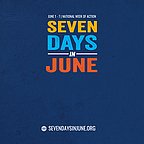
WASHINGTON, DC – May 08, 2026 – A broad, nonpartisan coalition of labor unions, healthcare professionals, and civil rights groups, joined by actor and advocate Noah Wyle, is preparing for a nationwide week of action to protest a looming $1 trillion cut to American healthcare. The campaign, dubbed 'Seven Days in June: HEALTH IS PRIMARY,' aims to expose the consequences of legislation passed last year, with its most severe impacts strategically delayed until after this year's midterm elections.
From June 1-7, a wave of town halls, rallies, and candlelight vigils will sweep across the country, organized to pressure elected officials to reverse the deep cuts mandated by H.R. 1. The legislation, signed into law in 2025, is projected by the Congressional Budget Office (CBO) to strip health insurance from over 10 million Americans and place immense strain on the nation's health infrastructure.
"My mom is a registered nurse, and I've spent the bulk of my adult life playing an emergency room physician on television," said Noah Wyle, whose advocacy coincides with National Nurses Week. "I've seen how demanding this work is and how much harder it has become. A trillion dollars in cuts to healthcare is coming. Let's show up June 1-7. Our elected representatives need to hear from us and answer for where they stand."
The Looming Healthcare Cliff
The cuts originate from H.R. 1, a sweeping bill that targets the foundations of the nation's health safety net. According to CBO analysis, the legislation will slash federal healthcare spending by approximately $1 trillion over the next decade. The vast majority of these reductions, estimated at over $900 billion, are carved from Medicaid, the federal-state program that provides coverage to millions of low-income adults, children, pregnant women, elderly adults, and people with disabilities.
Key provisions of the law are poised to create significant barriers to care. These include mandating strict work requirements for many adult Medicaid recipients, requiring burdensome eligibility re-determinations every six months, and limiting states' ability to fund their share of the program through provider taxes. The result, experts warn, will be a surge in the uninsured population not just from ineligibility, but from administrative hurdles and confusion.
"The Medicaid cuts are a direct attack on working people's health care, jobs, and our economy as a whole," said Liz Shuler, AFL-CIO President. The labor federation's research projects that beyond the millions losing coverage, the 179 million workers with job-based insurance could see premiums for family plans soar by nearly $2,000 a year as hospitals shift costs to cover more uncompensated care.
The financial strain on hospitals, particularly rural and safety-net facilities, is a primary concern. With reduced Medicaid funding and an influx of uninsured patients, many providers could face operating margin cuts of up to 30%, potentially leading to service reductions, layoffs, and closures. "The healthcare cuts that are set to take effect after the midterms will drive up costs for everyone and lead to hospital closures," warned Gwen Mills, President of UNITE HERE.
A Political 'Time Bomb'
Critics of H.R. 1 point not only to the severity of the cuts but also to their timing. The coalition's press release accuses lawmakers of a deliberate deception, arguing the law was structured to delay its most painful consequences until after the November 2026 midterm elections.
An examination of the legislative text supports this timeline. Many of the most impactful provisions—including the Medicaid work requirements and six-month eligibility checks—are not scheduled to take full effect until late 2026 and into 2027. This phased implementation means that while the law was passed in 2025, the full force of its impact on household budgets and community health services has been deferred, effectively shielding incumbent politicians from immediate voter backlash.
"What Americans hold in common is greater than that which divides us. Our health and the well-being of the people we care about most... is what unites us," stated Cleve Jones, a human rights advocate and campaign leader for Seven Days in June. "These cuts will devastate every community, push care out of reach for millions, and put an even greater strain on healthcare workers. We have to stand up and demand action."
This sentiment is echoed by public health advocates who see the cuts as a generational setback. "The cuts to healthcare and public health programs have already devastated lives, and we aren't even feeling their full effect yet," said a statement from the National Public Health Coalition. "These cuts will be felt for generations."
A Coalition of Activism and Influence
The 'Seven Days in June' campaign represents a formidable alliance. It brings together the grassroots organizing power of the nation's largest labor unions—including the AFL-CIO, SEIU, and the American Federation of Teachers (AFT)—with the clinical expertise and frontline perspective of groups like National Nurses United (NNU) and the policy acumen of organizations such as Families USA.
"Healthcare isn't a privilege; it's a right," said Randi Weingarten, President of the AFT. "That's why we're mobilizing with partners across the country for a week of action... Together, we will make it clear: Healthcare is a primary issue, and we will hold leaders accountable."
Adding celebrity firepower to this coalition is Noah Wyle, whose advocacy is rooted in a decades-long commitment to healthcare issues. Long before his current role in the medical drama The Pitt, Wyle was a spokesperson for the "Cover the Uninsured" campaign, testified before Congress on medical funding, and was even arrested in 2012 while protesting Medicaid cuts. His involvement, alongside his mother—a career nurse—brings a deeply personal and credible voice to the movement.
The coalition's strategy is decentralized, encouraging local groups to organize events tailored to their communities. The planned activities range from marches and rallies to panel discussions and interfaith services. A national highlight will be candlelight vigils held at sunset on Friday, June 5th, to "honor the lives already lost and the millions more at risk if funds are not restored."
"As patient advocates both at the bedside and in the streets, National Nurses United is excited to be participating," said Jamie Brown, RN and president of NNU. "We know that together, we can stop these health care cuts from happening and build a healthier society that allows people to live with dignity."