
- 340kW peak power in a 109.5 kg dual-motor system (3.1 kW/kg power density)
- 5.69 kW/kg power density in 900V coaxial dual e-drive with 92.4% CLTC efficiency
- 30% lighter magnesium alloy housing compared to conventional designs
Experts view InfiMotion's advancements in lightweight, high-voltage electric drive units as a game-changer for EV efficiency and performance, positioning the company as a serious contender in the global EV supply chain.
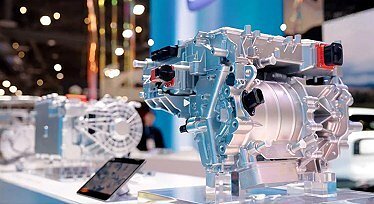
China's InfiMotion Shakes Up EV Market with Lightweight Power at CES
LAS VEGAS, NV – January 09, 2026 – Amid the dazzling displays of artificial intelligence and autonomous concepts at CES 2026, a quieter but equally profound revolution in electric vehicle hardware is taking shape. Making its debut on the global stage, Chinese technology supplier InfiMotion Technology has unveiled a trio of advanced Electric Drive Units (EDUs) that signal a significant shift in the high-end EV supply chain. The showcase demonstrates a mastery of lightweight materials, high-voltage architecture, and deep system integration, positioning the company as a formidable new force challenging established automotive component giants.
For years, the EV conversation has been dominated by battery capacity and charging speeds. However, the efficiency and design of the powertrain—the system that converts electrical energy into motion—are just as critical. InfiMotion's presentation in Las Vegas brings this crucial element into the spotlight, highlighting how innovation in the drive unit itself can lead to lighter, more powerful, and longer-range electric vehicles. This arrival is a potent symbol of the 'Chinese smart manufacturing' narrative, moving beyond assembly to core technological innovation.
The Technology Redefining Performance
At the heart of InfiMotion’s showcase are three distinct EDU solutions, each targeting a key area of EV development. The most powerful of these is a high-performance dual-motor system housed in an ultra-lightweight magnesium-aluminum alloy casing. Delivering a formidable 340kW of peak power while weighing only 109.5 kg, it achieves an impressive power density of 3.1 kW/kg. This unit is not a concept; it is already in mass production, powering models like the Geely-backed Galaxy M9 and Lynk & Co 900 SUVs and enabling advanced dynamics such as a "waltz-style tank turn" through sophisticated torque vectoring.
Pushing the boundaries even further is the company’s 900V high-performance coaxial dual e-drive. This unit represents a leap in both efficiency and power density, achieving a remarkable 5.69 kW/kg. By operating at voltages above 750V, it reaches a CLTC efficiency of 92.4%, a critical metric for maximizing driving range from every kilowatt-hour. The use of a magnesium alloy housing slashes its weight by 30% compared to conventional designs. To manage the thermal stress of such a powerful system, the supplier has implemented a proprietary deep oil-cooling technology for both the stator and rotor, enabling the drive to sustain over 80 consecutive full-throttle accelerations without performance degradation—a feat that addresses a key weakness in many high-performance EVs.
Rounding out the portfolio is an ultra-integrated 12-in-1 domain control e-drive. This 400V system exemplifies the industry-wide trend toward system consolidation. By integrating 12 core modules—including the motor, reducer, motor control unit (MCU), vehicle control unit (VCU), and battery management system (BMS)—into a single package, it simplifies vehicle architecture and reduces weight. Weighing less than 79.8 kg, the unit maintains a high 90% CLTC efficiency and is already featured in the Geely Galaxy E5 electric SUV. This level of integration is a key enabler for the Software-Defined Vehicles (SDVs) that dominated so much of the conversation at CES 2026.
A Strategic Bet on Lightweight Materials
InfiMotion's extensive use of magnesium alloys is a calculated engineering decision that sets its products apart. As the lightest of all structural metals, magnesium is roughly 30-40% lighter than aluminum and 60% lighter than steel, making it an ideal material for reducing vehicle mass. In an electric vehicle, every kilogram saved translates directly into improved energy efficiency and extended driving range, helping to combat the persistent consumer concern of range anxiety.
Beyond its low density, magnesium offers an excellent strength-to-weight ratio and superior thermal conductivity, allowing it to double as a heat sink to dissipate waste heat from the powertrain. However, the material is not without its challenges. Historically, its susceptibility to corrosion and lower strength at high temperatures have limited its use in demanding powertrain applications. InfiMotion's successful implementation in its EDU housings suggests significant advancements in alloy composition and protective coatings, overcoming these traditional hurdles. This commitment to advanced materials science is a crucial component of its strategy to deliver class-leading power density and performance.
A New Contender in a Crowded Field
The global market for electric drive systems is fiercely competitive, populated by legacy automotive suppliers like Bosch, ZF, and Magna, as well as a growing number of automakers bringing powertrain development in-house. InfiMotion enters this arena not as a low-cost alternative but as a technology-forward innovator. Its focus on high-voltage 800V and 900V architectures aligns perfectly with the industry’s push toward ultra-fast charging, while its highly integrated 12-in-1 system speaks directly to the trend of consolidating electronic control units to create more streamlined and software-updatable vehicles.
While established players continue to evolve their offerings, the Wuxi-based supplier's agility and specialized focus appear to be giving it an edge in specific performance niches. Its close collaboration with brands under the Geely umbrella has provided a clear path to mass production, allowing it to validate its technology at scale. With six R&D centers and five intelligent manufacturing bases worldwide, the company has built an end-to-end system designed for global reach. This debut at a premier international tech event like CES is a clear statement of intent to supply not just Chinese automakers but mainstream and luxury brands across the globe.
The emergence of specialized, high-tech component suppliers from China is reshaping the dynamics of the automotive industry. As vehicles become increasingly defined by their electric powertrains and software, the innovations showcased by companies like InfiMotion are becoming critical differentiators. Their ability to deliver lighter, more efficient, and more powerful drive systems at scale is accelerating the pace of EV development and intensifying the competition to build the next generation of electric mobility.