
- 2,000+ companies and 5,000 professionals gathered in Shenzhen for the China International New Media Short Film Festival (CSFF).
- US$1.847 billion in overseas in-app purchase revenue for short dramas in the first 10 months of 2025.
- Shenzhen-based enterprises contributed over 50% of China's total exports in the short drama sector.
Experts would likely conclude that China is leveraging blockchain technology to create a transparent, efficient, and state-guided media ecosystem, positioning itself as a global leader in content production and distribution.
China Deploys Blockchain to Revolutionize Its Global Media Push
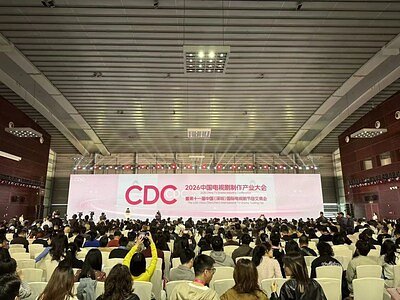
SHENZHEN, China – March 13, 2026 – The world of film and television has converged on Shenzhen, with over 2,000 companies and 5,000 professionals gathering for what is shaping up to be a pivotal industry event. But beyond the deal-making and premieres at the China International New Media Short Film Festival (CSFF), a landmark announcement from the Chinese government has signaled a seismic shift in how content is created, distributed, and monetized, with global implications.
During the festival's opening ceremony, the National Radio and Television Administration (NRTA) unveiled the "Ju Hao Kan" ("Good Dramas") Big Screen On-Demand Alliance. This state-backed initiative is not just another streaming consortium; it is a strategic deployment of blockchain technology designed to create a transparent and efficient ecosystem for China's booming media industry. The alliance aims to solve some of the industry's most persistent problems, promising creators traceable revenue-sharing, transparent broadcast data, and a streamlined path to mainstream platforms.
Blockchain Enters the Mainstream
The "Ju Hao Kan" alliance represents one of the most significant government-led integrations of blockchain into a creative industry. By leveraging a distributed ledger, the system intends to create an immutable record of content rights, distribution, and viewership. For content creators, this could be revolutionary.
Historically, independent producers and smaller studios have struggled with opaque payment structures and delayed compensation from larger distributors. The new alliance proposes using smart contracts to automate royalty payments based on verifiable broadcast data, ensuring that revenue sharing is both traceable and timely. This move directly addresses creator concerns about fair compensation and provides a secure mechanism for protecting intellectual property against piracy and unauthorized use—a persistent challenge in the digital age.
This initiative aligns with a broader push by the NRTA to modernize the industry. In August 2025, the administration released its "NRTA 21 Points," a set of measures aimed at enriching content and optimizing review mechanisms. By relaxing previous restrictions, such as a 40-episode cap on TV dramas and strict limits on costume dramas, the government signaled a desire to foster higher-quality, more diverse productions. The blockchain alliance is the technological component of this strategy, providing the infrastructure to support a more dynamic and equitable content market.
Shenzhen: From Tech Hub to Global Media Powerhouse
The choice of Shenzhen as the backdrop for this announcement is no coincidence. Long known as China's Silicon Valley, the city has rapidly transformed into a dominant force in the global media landscape, particularly in the explosive market for short dramas. According to data from industry analyst DataEye, overseas in-app purchase revenue for short dramas surpassed US$1.847 billion in the first ten months of 2025, with Shenzhen-based enterprises contributing over 50% of China's total exports in the sector.
This success is built on the city's unique ecosystem, which combines technological prowess with strong government support and a culture of innovation. Shenzhen Media Group, a co-organizer of the festival, is a state-controlled entity, highlighting the strategic alignment between government policy and industry growth. The city's ability to produce hits like the short series "Miracle" and the animated "Boonie Bears" films demonstrates its creative and commercial capabilities. The festival itself, now featuring an AIGC (AI-Generated Content) and Digital Technology Zone with giants like Tencent Cloud and Alibaba Cloud, underscores the deep integration of tech within its entertainment sector.
By hosting China's only nationally recognized international short film festival, Shenzhen is cementing its role as a critical node for global media exchange. This year's CSFF has already attracted over 500 submissions from creators across all APEC economies, and the introduction of new awards for premium short dramas further signals the format's growing prestige.
The Global Gold Rush for Short Dramas
The rise of Shenzhen is inextricably linked to the global phenomenon of short dramas—fast-paced, serialized stories designed for mobile consumption. This bite-sized format has found a massive international audience, with major Chinese streaming platforms like iQiyi, Youku, and Tencent, alongside specialized apps like Hongguo Short Drama, all heavily investing in production and distribution.
At the festival, these platforms are set to announce their ambitious production plans for 2026, joining leading production houses such as Daylight Entertainment (known for "Nirvana in Fire") and Linmon Media ("Nothing But Thirty"). More than 30 of these firms will release trailers for new shows, fueling a content pipeline designed for a global market hungry for new stories. The release of white papers on the short drama industry's future growth and overseas expansion during the conference will provide a strategic roadmap for this continued expansion.
The business model, driven by in-app purchases and micro-transactions, has proven incredibly lucrative. This financial success is now being paired with a push for critical recognition and technological sophistication, creating a formidable industry that is challenging traditional entertainment formats.
A New Blueprint for Global Content
While the "Ju Hao Kan" alliance and the relaxation of some regulations suggest a more open and creator-friendly environment, it is all happening within a carefully managed framework. The NRTA, which operates under the Publicity Department of the Chinese Communist Party, remains the ultimate arbiter of content. The embrace of blockchain is telling: it utilizes a technology often associated with decentralization to enhance efficiency and transparency within a state-guided system.
For the thousands of professionals gathered in Shenzhen, the message is clear. China is not just aiming to export more content; it is building a technologically advanced, highly efficient, and globally competitive media ecosystem on its own terms. The convergence of state-led initiatives, technological innovation, and immense commercial drive is creating a new blueprint for the entertainment industry. The developments unveiled at this year's festival will likely reverberate far beyond Shenzhen, potentially setting new standards for how content is produced, distributed, and valued across the globe.
Topics & Related
Cloud & Infrastructure
Streaming & Digital Media
AI & Machine Learning
Smart Manufacturing
Related Company Pulse