
- $5,000 fine imposed on charter operator for illegal crab catch
- 9 undersized Dungeness crabs seized during inspection
- 34 violations uncovered in Operation Sea Dog 2025 across 100 inspections
Experts emphasize that strict enforcement of fishing regulations is critical to preserving marine ecosystems and sustaining coastal economies, with charter operators bearing significant responsibility for compliance.
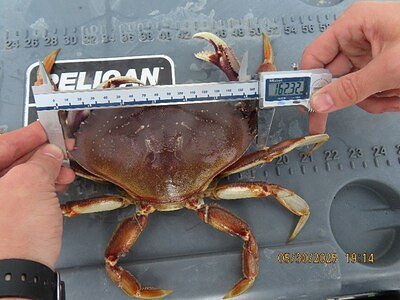
Charter Operator Fined $5,000 in BC Illegal Crab Catch Crackdown
RICHMOND, BC – March 23, 2026 – A British Columbia charter fishing operator has been handed a significant fine for illegal harvesting, a case that federal authorities are using to underscore a broader crackdown on activities that threaten the province's vital marine resources. Jichuan Shi, a charter operator based in Richmond, was found guilty of possessing illegally caught fish and ordered to pay $5,000 in a Richmond Provincial Court ruling on February 17, 2026.
The conviction stems from a routine inspection that uncovered a series of violations, including the retention of nearly a dozen undersized Dungeness crabs. For Fisheries and Oceans Canada (DFO), the case is more than just a single penalty; it represents a critical front in the ongoing battle to preserve the ecological and economic future of coastal communities.
A Pattern of Violations
The incident leading to the conviction occurred on May 30, 2025, when DFO fishery officers on patrol in Steveston Harbour observed Mr. Shi's charter vessel returning to port with eight clients aboard. During the subsequent inspection, officers uncovered a haul that included lingcod, rockfish, and a significant number of crabs. The problem lay not in the variety, but in the legality of the catch.
Officers determined that nine of the 19 Dungeness crabs onboard were undersized, falling below the legal minimum carapace width of 165 mm—a crucial regulation designed to allow crabs to reach reproductive maturity before being harvested. The violations did not stop there. Mr. Shi also admitted to possessing a lingcod that he had not declared to the officers and, critically, to using four crab traps that were registered to individuals who were not present on the vessel. This contravenes strict regulations that tie gear to specific, licensed fishers.
While Mr. Shi faced the primary legal consequences, his actions also placed his clients in jeopardy. Two individuals from the charter group were issued formal warnings under the B.C. Sport Fishing Regulations, a clear indication of the operator's failure to ensure compliance among his passengers. The court found Mr. Shi guilty of violating Section 33 of the federal Fisheries Act, which prohibits the possession of fish caught in contravention of the Act or its regulations.
Enforcement on the Rise
Mr. Shi's conviction is not an isolated event but part of a wider and increasingly visible enforcement effort by DFO's Pacific Region. In recent years, the department has intensified patrols and inspections to combat illegal fishing, which it identifies as a serious risk to Canada's marine resources. These efforts span recreational, charter, and commercial fishing operations.
For example, Operation Sea Dog 2025, a multi-agency initiative with U.S. counterparts, saw officers conduct over 100 inspections in the southern waters of British Columbia. That operation alone uncovered 34 violations, including the illegal retention of undersized crabs and protected salmon species, resulting in fines ranging from $575 to $1,500.
Charter operations, in particular, have come under scrutiny. In a separate case from January 2025, Rainbow Covenant Fishing Yacht Charter Ltd. and two of its guides were found guilty of catching and retaining Yelloweye Rockfish—a species of Special Concern under Canada's Species at Risk Act—during a closed season. The penalties included significant fines and a prohibition preventing the company from employing the guides for a year.
Commercial fisheries are also facing heavy penalties for non-compliance. In March 2023, DFO publicized three court decisions that resulted in over $100,000 in fines against commercial fishermen for violations including fishing in closed areas and failing to comply with electronic monitoring requirements. One commercial crab harvester was fined $44,000 for fishing in a closed area and without a valid license.
The High Cost of a Small Crab
The focus on undersized crabs in the case against Jichuan Shi highlights a fundamental principle of fisheries management: protecting future generations of stock. Retaining a Dungeness crab smaller than 165 mm across its shell means removing an individual from the ecosystem before it has had a chance to reproduce. This practice, if widespread, can lead to a rapid decline in crab populations, threatening the sustainability of the entire fishery.
This ecological risk carries a significant economic and cultural cost. The Dungeness crab fishery is a cornerstone of the B.C. coast, supporting commercial harvesters, tourism operators, and recreational fishers. It is also a traditional food source for Indigenous peoples. Illegal harvesting not only undermines the livelihoods of legitimate fishers but also jeopardizes a resource that is woven into the fabric of coastal life.
DFO officials emphasize that these regulations are not arbitrary but are based on scientific assessments designed to ensure there are enough crabs to support both the ecosystem and the economy for years to come. The message is clear: the short-term gain from an illegal catch comes at a long-term cost to everyone.
A Charter Operator's Burden
The conviction places a spotlight on the unique responsibilities of charter fishing operators. As guides, they are expected to be experts in the complex web of federal and provincial fishing regulations and to ensure their clients—who are often tourists or novice fishers—abide by them. This case serves as a stern reminder that the onus of compliance falls squarely on the operator.
"This case underscores the responsibility of charter operators to maintain high compliance standards, especially when guiding clients who may not be familiar with federal and provincial fishing regulations," DFO stated in its release on the conviction. By using illegal gear and retaining an illegal catch, Mr. Shi not only broke the law but also failed in his professional duty to act as a steward of the resource.
The $5,000 fine, while significant, represents the lower end of potential penalties under the Fisheries Act. For a first offense, court-imposed fines can reach up to $300,000, with the potential for forfeiture of vessels and equipment. Subsequent or more serious offenses can lead to even steeper fines and imprisonment. This legal framework is designed to send a powerful deterrent message to those who might consider flouting conservation laws.
DFO continues to encourage the public to play a role in protecting marine resources by reporting any suspicious activity. Anyone with information about potential violations can contact the DFO Pacific Region's toll-free reporting line at 1-800-465-4336.