
- 86% of Malawians reported crop failures in early 2026, with 77% citing droughts as much more severe over the past decade.
- 2.9 million people in Malawi faced food insecurity during the 2024-2025 rainfall season.
- $20,000 donation from The ChariTree Foundation to launch environmental education and tree-planting in Malawi.
Experts emphasize that investing in climate education and practical resilience programs, like those implemented by The ChariTree Foundation, is critical for empowering children and communities on the front lines of climate change.
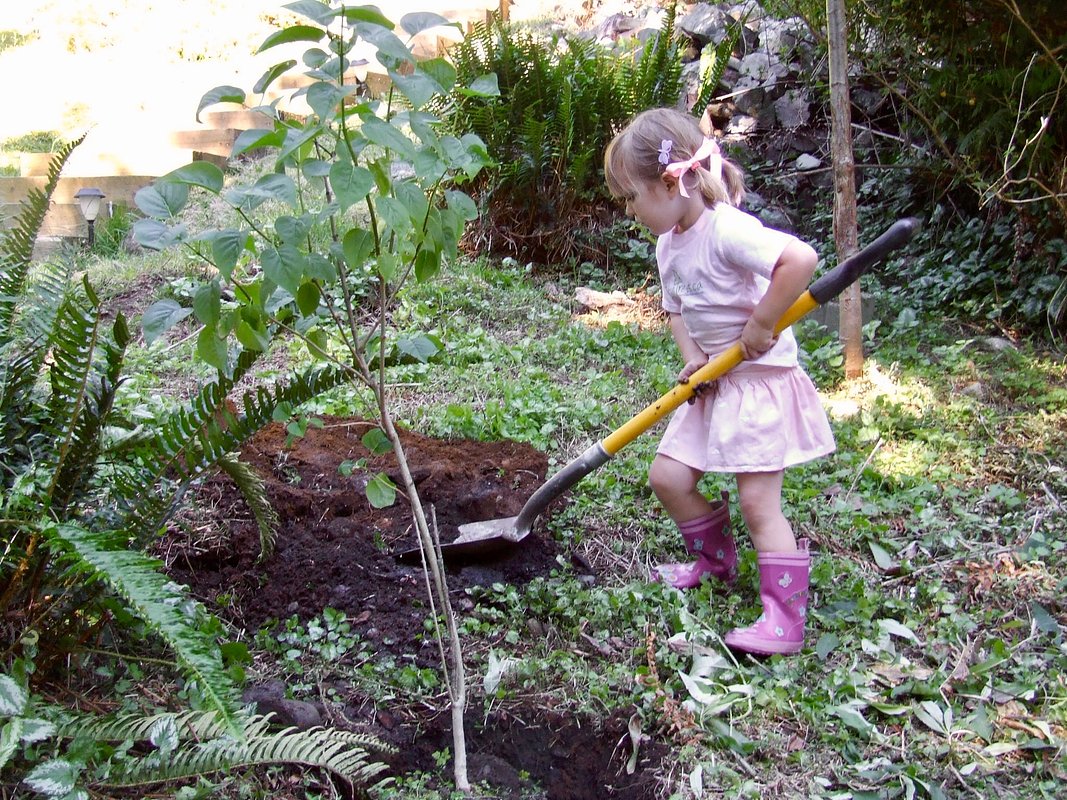
ChariTree Plants Hope in Malawi on 20th Earth Day Anniversary
VANCOUVER, BC – April 22, 2026 – As The ChariTree Foundation marks its 20th anniversary on Earth Day, the Canadian charity is forgoing celebration for action, launching a global initiative to support children on the front lines of the climate crisis in Malawi. The Vancouver-based organization announced a $20,000 donation to kickstart a new environmental education and tree-planting program, reinforcing its two-decade commitment to empowering youth through nature.
“Despite the urgency, climate change is being overshadowed, and far more must be done to protect children,” said Andrea Koehle Jones, founder of The ChariTree Foundation. “Rather than celebrating, we are directing resources to where they’re needed most—supporting children and communities on the front lines of the climate crisis.”
The initiative comes at a critical time for the southern African nation, which is grappling with severe and escalating climate impacts.
Malawi's Climate Frontline
Malawi contributes less than 0.01% of global emissions, yet it is one of the world's most vulnerable nations to climate change. Recent years have seen a devastating surge in extreme weather events, which the country's Department of Climate Change and Meteorological Services directly attributes to a shifting climate.
Prolonged droughts and intense heatwaves have become increasingly common, leading to widespread crop failure. Surveys from early 2026 revealed that a staggering 86% of Malawians reported crop failures, while 77% cited droughts as becoming “much more severe” over the past decade. This has pushed millions into food insecurity, with an estimated 2.9 million people affected during the 2024-2025 rainfall season alone. These climate shocks are estimated to cost Malawi's economy 1.7% of its GDP annually, a burden carried heavily by the small-scale farmers who produce the majority of the nation's food.
The crisis extends beyond agriculture. Torrential rains in late 2025 and early 2026 caused catastrophic flooding and mudslides, particularly in the Nkhota Kota District, resulting in deaths and mass displacement. These conditions also create fertile ground for disease. A major cholera outbreak between 2022 and 2024, alongside rising cases of malaria and dengue, has been linked to warmer temperatures and the proliferation of standing water after floods, compounding the public health emergency.
A Partnership for Practical Resilience
To address these multifaceted challenges, The ChariTree Foundation is partnering with the Compact Resource Foundation (CRF), a non-profit with deep roots and a proven track record in Malawi. CRF focuses on building long-term independence in rural communities by implementing sustainable, locally-driven solutions.
“This support will significantly advance our tree-planting initiatives and allow us to establish a dedicated children’s environmental education program across the four villages where we work,” said Kevin Jones, president of Compact Resource Foundation.
The new program will be integrated into CRF’s existing efforts in the villages of Ndalama, Kawiri, Chuzu, and Aaron. These efforts already include community-managed tree nurseries, seed banks, and training in permaculture and regenerative farming. The partnership leverages CRF's local expertise, guided by a Malawian-weighted board, ensuring that interventions are culturally relevant and effective.
The $20,000 donation from ChariTree will fund a hands-on environmental education curriculum that engages children directly in climate learning and action. A key component is the planting of fruit-bearing trees, such as mango and lychee, which will not only contribute to reforestation and soil health but also directly address food security by providing a sustainable source of nutrition for communities. This work complements CRF's broader projects, which include installing solar-powered water systems to provide clean drinking water and support small-scale irrigation.
From a Single Seed to a Global Movement
The Malawi initiative is the latest chapter in a story that began 20 years ago on Bowen Island, British Columbia. On Earth Day 2006, The ChariTree Foundation was born from a simple act: two young children planting a single Sitka mountain-ash tree. That symbolic gesture has since blossomed into an international movement connecting thousands of children to nature.
Operating as a 100% volunteer-run charity, the organization ensures that all donations go directly to its programs, a model that has allowed it to maximize its impact with a low overhead of just 4.1% as of its 2020 financial report. This transparency and efficiency have been central to its growth from a local grassroots project to a United Nations Climate Observer organization supporting initiatives across Canada and internationally.
Over the years, the foundation has supported numerous projects, from building outdoor classrooms in Canadian schools to funding Green Schools in Ethiopia and previous work in Malawi. Its core philosophy remains unchanged: empowering children with the tools and inspiration to become environmental leaders.
“Planting a tree is an act of hope for the future, and children need that hope now more than ever,” said Koehle Jones. This belief in the power of individual action, especially by young people, is the driving force behind the foundation's two decades of work.
The Case for Climate Education
With billions of children already affected by climate-related events, according to UNICEF, advocates argue that investing in environmental education is no longer optional but a critical global strategy. The ChariTree Foundation’s initiative is a model of this approach, moving beyond awareness to equip young people with practical skills for adaptation and resilience.
Experts in the field confirm the transformative power of such programs. “There is something magical about planting a tree. It fosters hope and empowerment for a greener future, and kids love being part of it,” noted Jacob Rodenburg, an environmental education instructor at Trent University and executive director of Camp Kawartha.
Studies have shown that connecting children with nature not only builds their understanding of ecological issues but also improves mental and physical health, reduces stress, and enhances creativity and critical thinking. By engaging children in tangible activities like planting and caring for trees, these programs instill a sense of agency and a lifelong commitment to protecting the environment.
As Andrea Koehle Jones, who is also a children's author and an advisor to the UNICEF Leading Minds Fellowship on Climate Education, explains, the mission is deeply personal. “I want to give children opportunities to fall in love with nature because you protect what you love.” This principle underscores the foundation's call for increased global investment in climate education, framing it as the most essential tool for securing a sustainable future for the next generation.