
- Côte d'Ivoire produces nearly one million tonnes of cashews annually, generating vast quantities of discarded shells.
- The project aims to convert cashew shells into biochar, a stable carbon-rich material that can lock away CO2 for centuries.
- Valency International's new processing plant alone is expected to create over 2,000 direct jobs, with a focus on employing women, and support up to 10,000 smallholder farmers.
Experts would likely conclude that this initiative represents a scalable and replicable model for sustainable development, combining environmental responsibility with economic opportunity in emerging economies.
Cashew Waste to Climate Wealth in Côte d'Ivoire
GURUGRAM, India – February 19, 2026 – A groundbreaking initiative is set to transform one of West Africa’s largest agricultural waste streams into a powerful tool for climate action and economic development. Indian climate-tech firm Varaha has officially launched its Varaha Industrial Partners Program (VIPP), a global platform designed to scale up durable carbon removal, with its inaugural project taking root in Côte d'Ivoire, the world's leading cashew producer.
In a strategic collaboration with industrial operator Revata Carbon and global agribusiness giant Valency International, the project will convert vast quantities of discarded cashew shells into high-quality biochar. This process not only addresses a significant environmental challenge but also creates a new revenue stream through the generation of high-integrity carbon removal credits, promising a replicable model for sustainable development across the continent.
A Circular Solution for an Agricultural Powerhouse
Côte d'Ivoire's dominance in the global cashew market is undeniable, with production projected to approach one million tonnes annually. However, this success has created a persistent environmental headache: mountains of cashew shells left over from processing. With few viable end uses, these shells are often burned in the open or dumped, contributing to air pollution and waste management problems.
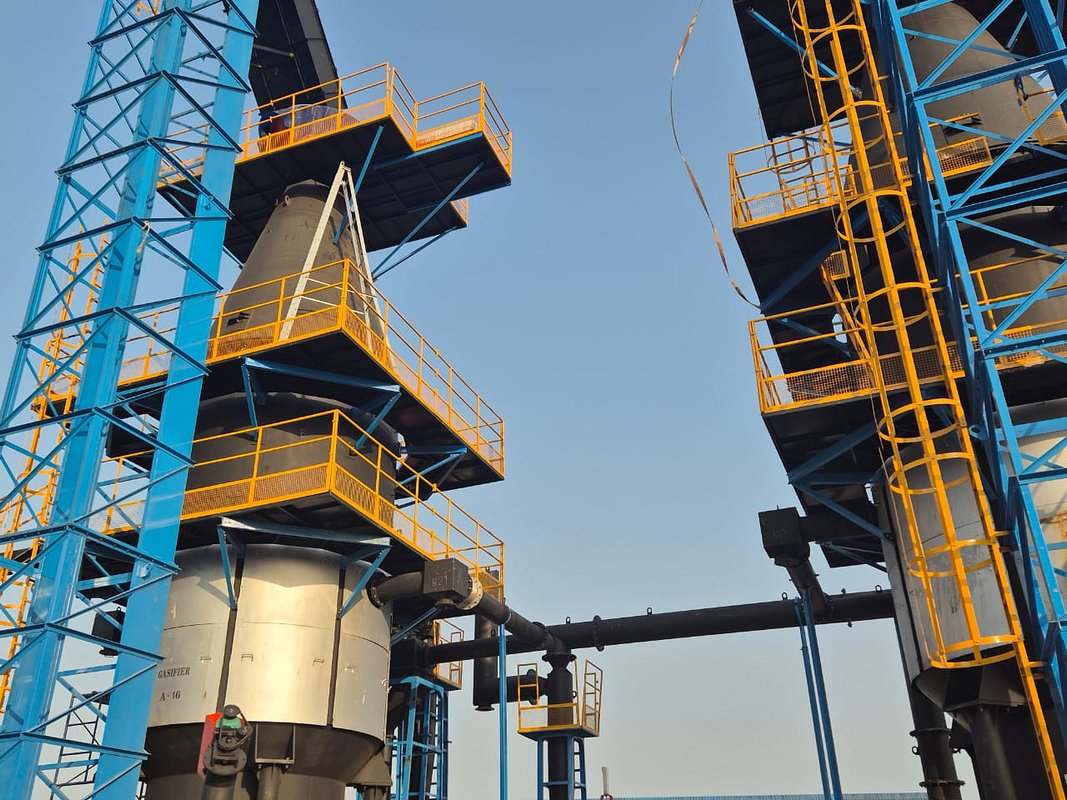
The VIPP project offers an elegant, circular solution. Using a process called controlled gasification, the cashew shells will be heated in a low-oxygen environment. Instead of burning and releasing their stored carbon into the atmosphere, the biomass is transformed into biochar—a stable, carbon-rich material that can lock away CO2 for centuries.
This resulting biochar will be used as a soil amendment for local farmers. When mixed into agricultural land, it enhances soil fertility, improves water retention, and can boost crop yields, reducing the need for synthetic fertilizers. This creates a dual benefit: durable carbon sequestration for the planet and improved livelihoods for the local farming community.
The Power of a Three-Part Partnership
The project's strength lies in the complementary expertise of its three core partners, creating a robust framework for moving from concept to large-scale execution. Varaha, Asia's largest developer of carbon dioxide removal (CDR) projects, brings its technological prowess and market access to the table. The company will deploy its proprietary digital Measurement, Reporting, and Verification (MRV) platform to ensure the integrity and transparency of the carbon removals. Varaha will also manage the commercialization of the resulting carbon credits, which will be issued in partnership with the leading carbon removal standard, Puro.earth.
"We're excited to welcome Valency International and Revata Carbon as VIPP launch partners," said Madhur Jain, CEO of Varaha. "Valency and Revata's on-the-ground development leadership, combined with industrial delivery and Varaha's rigorous MRV and commercialization, creates a strong foundation to scale durable carbon removal in West Africa and beyond."
Revata Carbon will serve as the in-country operator, responsible for developing the feedstock supply chain, managing local stakeholder relationships, and running the biochar conversion facility. "This partnership signifies a big step in achieving our goal of helping integrate agricultural waste as an asset while supporting local communities and industries," stated Vaibav Jain, Founder and CEO at Revata Carbon.
Anchoring the entire operation is Valency International, a major global agribusiness and one of the largest cashew processors in the region. Backed by British International Investment (BII), the UK's development finance institution, Valency recently inaugurated a state-of-the-art, 45,000-metric-tonne cashew processing facility in Côte d'Ivoire. This plant will provide a consistent, large-scale supply of cashew shells, while Valency's extensive supply chain expertise will be crucial for scaling the project.
Tapping into a Booming Market for High-Integrity Carbon Removal
The timing of the initiative is critical, as it aligns with an explosive growth in the voluntary carbon market for high-durability removals. Biochar credits have become a favored choice for corporations like Microsoft, Google, and JPMorgan Chase, who are seeking credible, verifiable, and scalable ways to meet their net-zero commitments. The global market for biochar carbon credits has seen its value skyrocket, driven by demand for solutions that are scientifically robust and transparently accounted for.
The project's partnership with Puro.earth, whose standard recently achieved "CCP-Eligible" status from the Integrity Council for the Voluntary Carbon Market (ICVCM), adds a crucial layer of credibility. This designation signals adherence to rigorous criteria for governance, transparency, and scientific validity, assuring buyers that the credits they purchase represent real and durable climate impact. Varaha's own track record, which includes issuing the first-ever verified enhanced rock weathering credits in Asia, further solidifies the project's standing in this discerning market.
From Corporate Strategy to Community Impact
Beyond its climate and commercial significance, the project represents a powerful model of how large corporations can actively decarbonize their own value chains. For Valency International, this is a tangible step in moving from ambition to action.
"Our partnership with Revata Carbon reflects Valency's intent to actively decarbonise our value chains, starting with cashew, where we have large processing operations and generate significant by-products," explained Sumit Jain, Group CEO at Valency International. "Working with Revata allows us to convert these residues into a scalable, climate-positive solution embedded directly within our operations."
This integration is set to deliver substantial local benefits. Valency's new processing plant alone is expected to create over 2,000 direct jobs, with a focus on employing women, and support up to 10,000 smallholder farmers. The biochar produced will directly empower these same farming communities, creating a virtuous cycle of economic and agricultural resilience.
By transforming a local waste problem into a global climate solution, the partnership in Côte d'Ivoire provides a compelling blueprint for the future of sustainable industry in emerging economies, demonstrating that environmental responsibility and economic opportunity can, and should, go hand in hand.